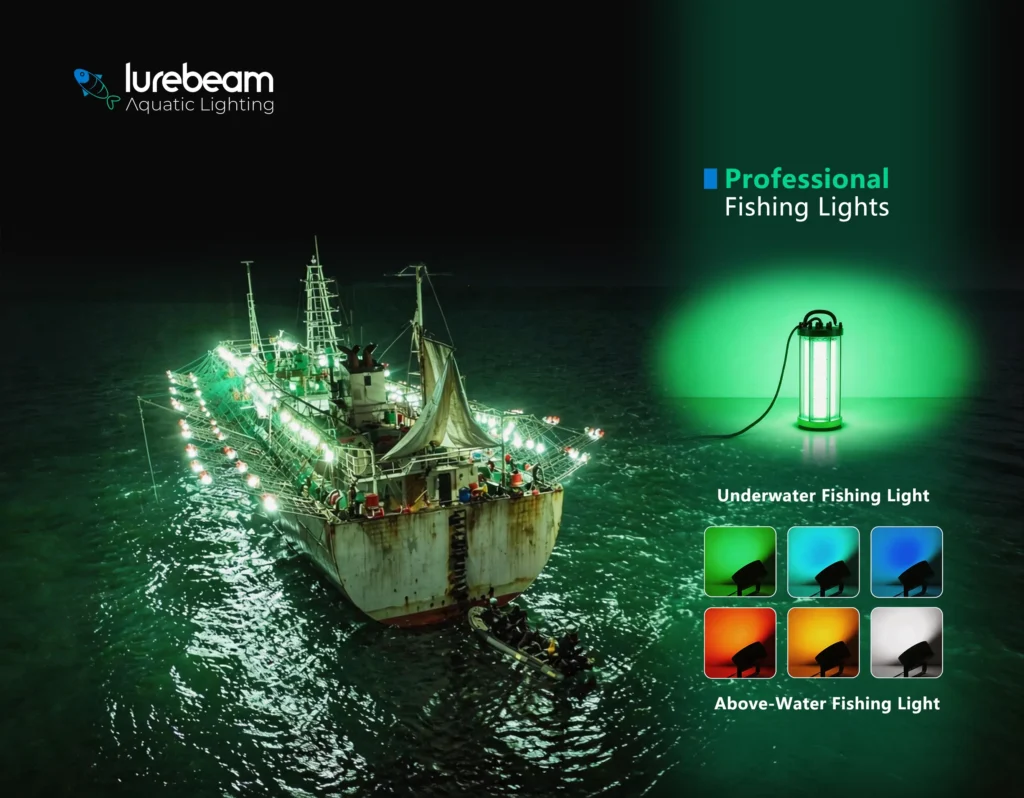
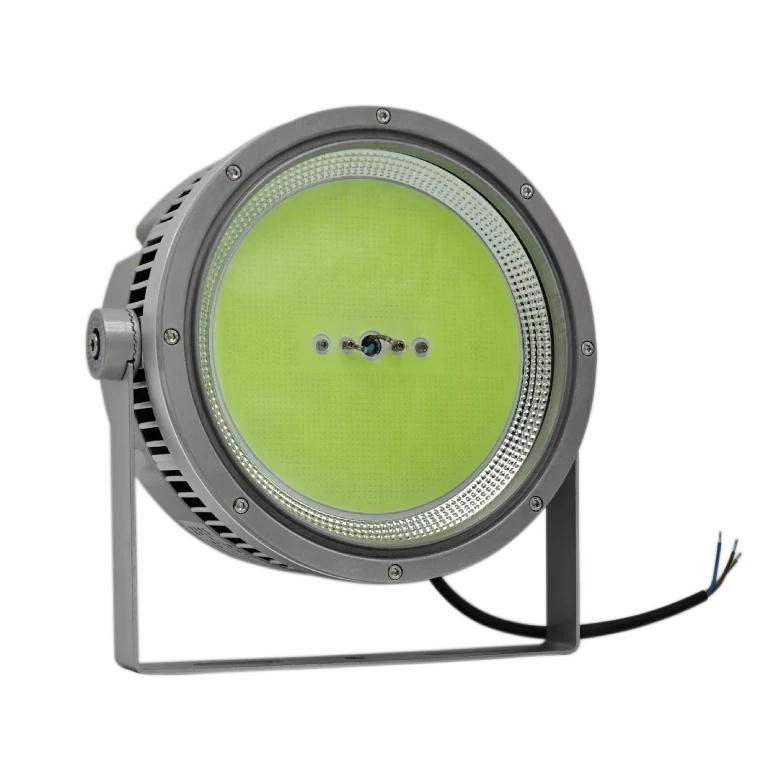
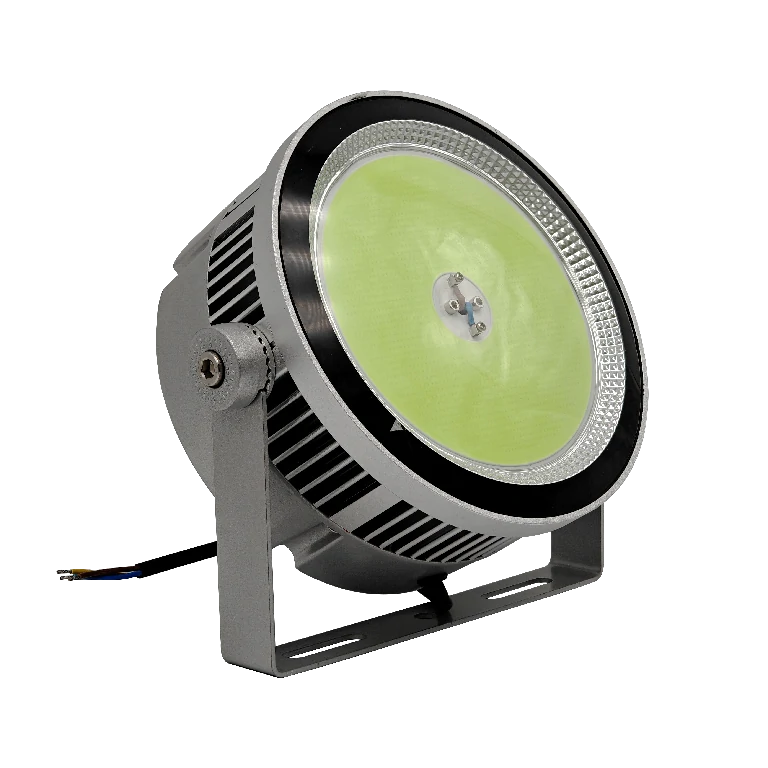
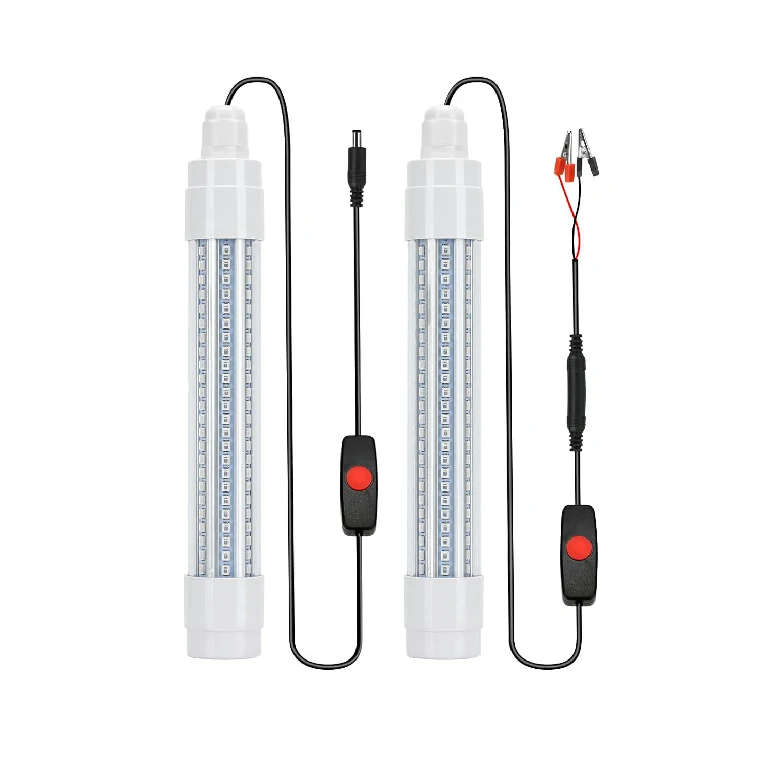
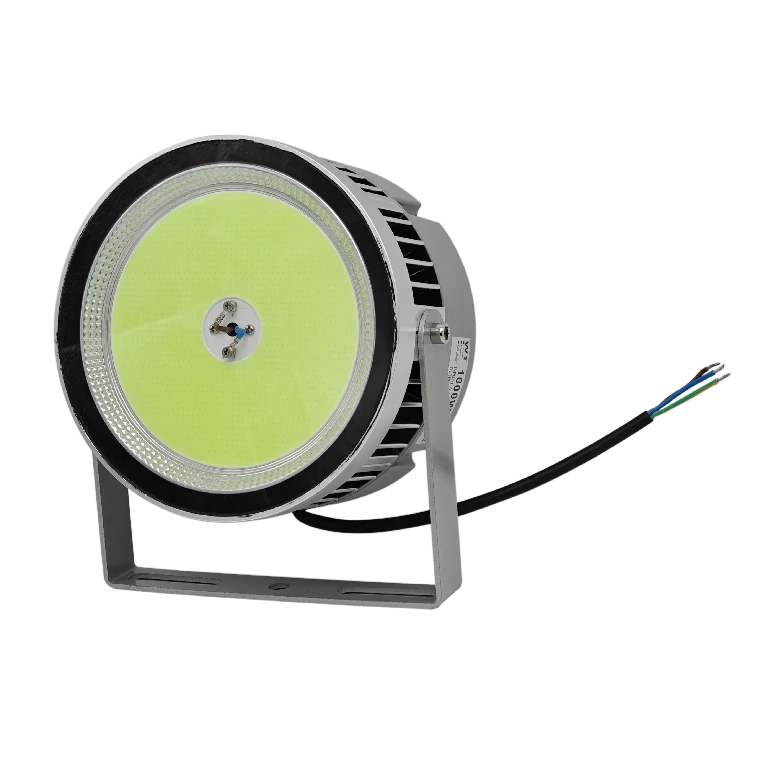
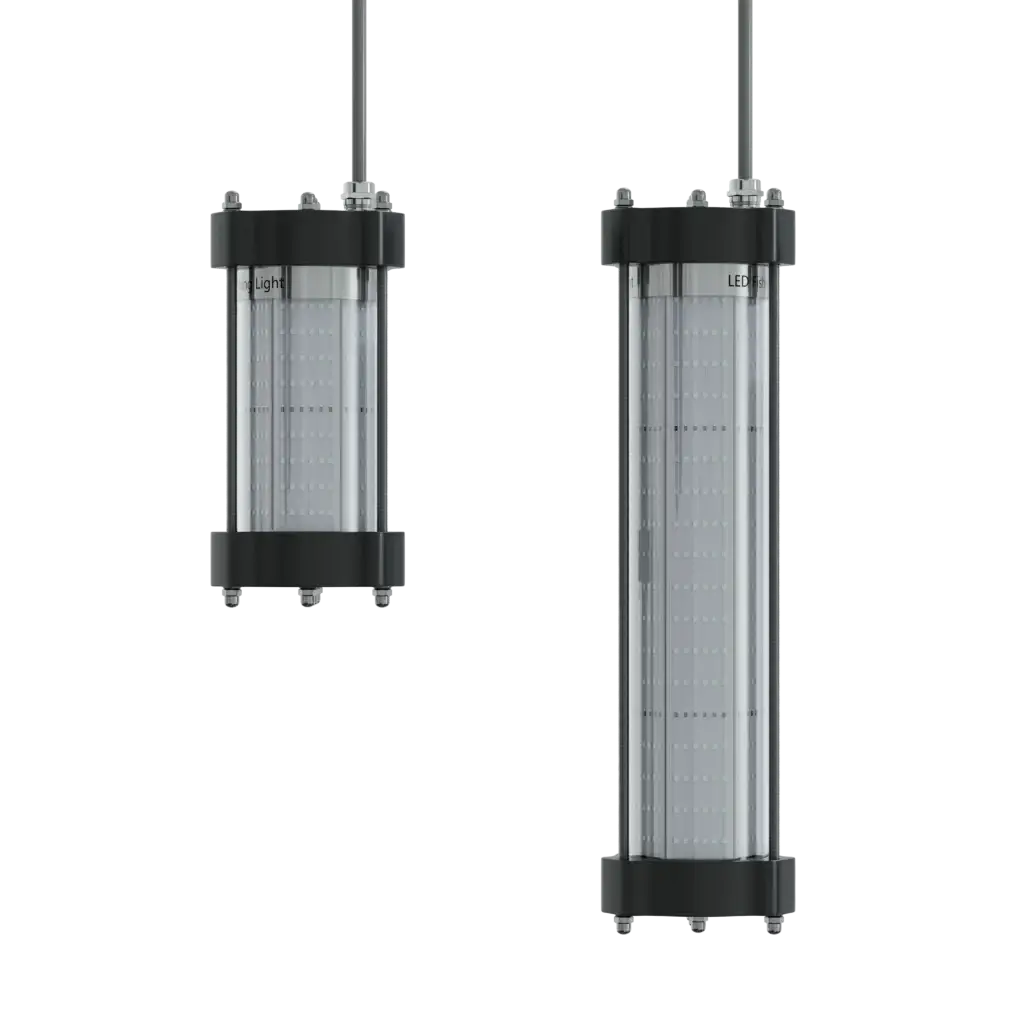
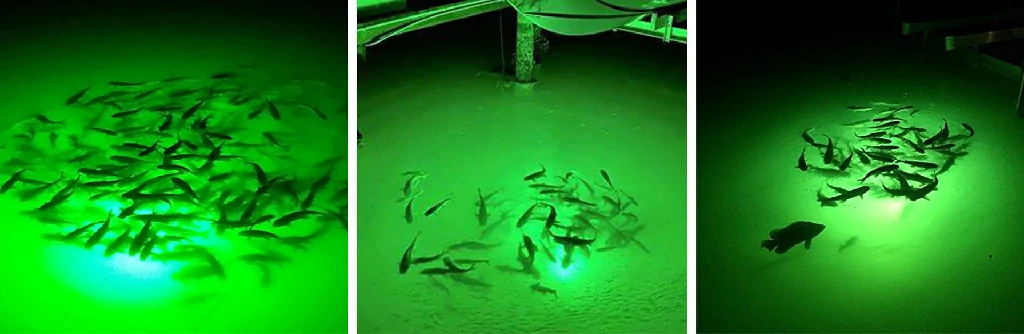
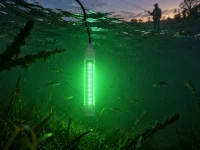
Many anglers have noticed the same thing: after turning on a green fishing light, small fish begin to gather, followed by larger predator fish. This has made green fishing lights one of the most popular choices for recreational anglers, dock owners, and commercial fishing vessels around the world.
But why does this happen? Is it because fish simply like the color green? Or is there a scientific explanation behind it?
The answer is more interesting than many people think.
Fish are not directly attracted to the color green itself. Instead, green light creates a chain reaction in the underwater ecosystem that naturally brings fish into the illuminated area. Understanding this process helps explain why green underwater fishing lights have remained the industry standard for decades.
In this guide, we’ll explain why green light attracts fish, how underwater ecosystems respond to artificial light, why green is often preferred over other colors, and when green fishing lights deliver the best results.
Do Fish Actually Like Green Light?
The short answer is no.
Fish are not naturally attracted to the color green in the same way humans may prefer certain colors. Instead, many fish species have evolved eyes that are highly sensitive to blue-green wavelengths because these colors travel efficiently through water.
In other words, green light is easier for many aquatic organisms to detect than colors that disappear quickly underwater, such as red or orange.
However, this is only part of the explanation.
If green light only made fish see better, it would not create the impressive fish aggregations that anglers often observe. The real reason lies in how green light changes the behavior of the entire underwater food web.
How Green Light Starts the Underwater Food Chain
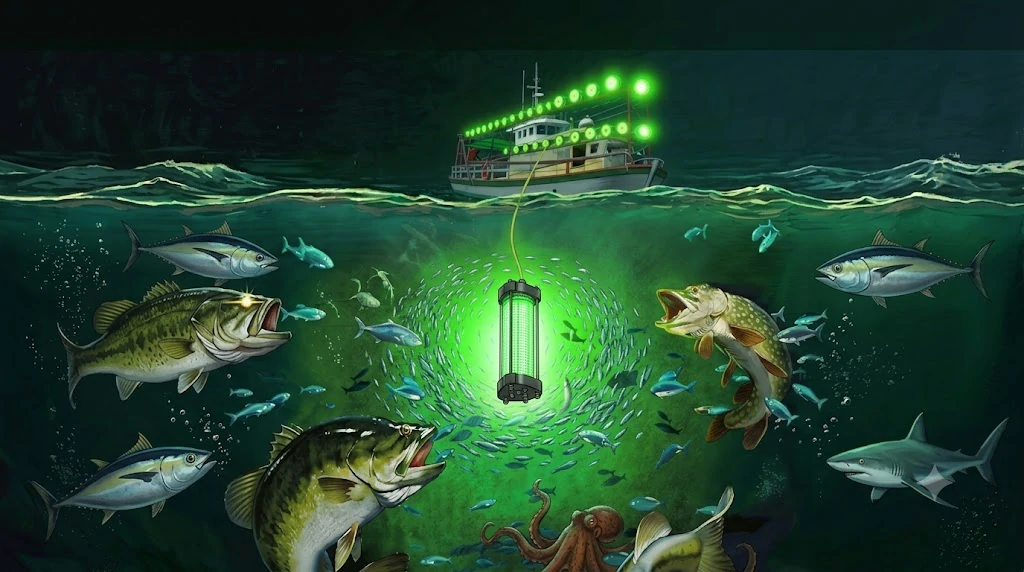
The real reason green fishing lights attract fish is not because fish are drawn directly to green light. Instead, green light triggers a natural food-chain reaction that gradually attracts more and more marine life into the illuminated area.
This ecological process is the foundation of how underwater fishing lights work and is one of the main reasons green lights have become so widely used in both recreational and commercial fishing.
Step 1: Green Light Attracts Microscopic Organisms
The first organisms to respond are usually microscopic plankton.
Some species of phytoplankton and zooplankton show positive phototaxis, meaning they naturally move toward certain light sources, especially during nighttime. Green light creates a visible area in the water that encourages these tiny organisms to gather around the illuminated zone.
Although individual plankton are nearly invisible, millions of them can concentrate beneath a fishing light within a relatively short period under suitable water conditions.
Step 2: Plankton Attract Baitfish
As plankton density increases, small baitfish begin to arrive.
Species such as anchovies, sardines, herring, and other forage fish feed on plankton or the organisms that gather around them. For these fish, the illuminated area becomes an easy feeding ground where food is more concentrated than in the surrounding water.
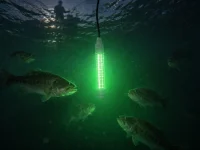
This is often the first stage that anglers notice, as schools of small fish become visible beneath the green light.
Step 3: Predator Fish Follow the Food
Once baitfish gather, larger predator fish naturally move into the area.
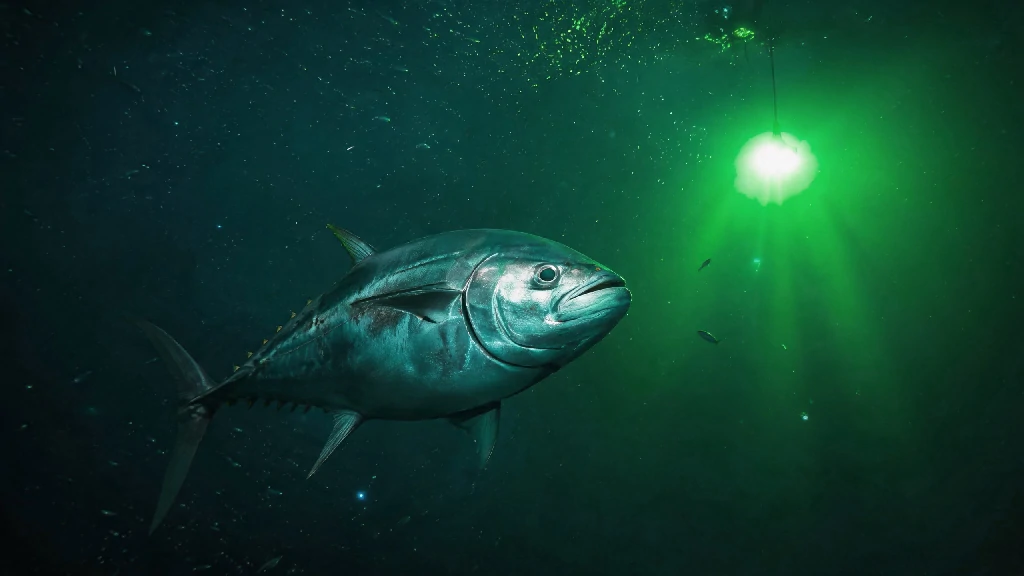
Species such as striped bass, snook, tarpon, tuna, and many other saltwater predators are attracted by the increased feeding activity rather than the light itself. They follow their prey, creating the impression that the green light is directly attracting large fish.
In reality, the light is supporting an entire feeding ecosystem rather than acting as a simple visual lure.
Green Light Supports an Ecosystem, Not Just Fish
This is the biggest difference between underwater fishing lights and ordinary lighting.
A fishing light is not designed to illuminate the water. Its purpose is to encourage biological activity that eventually brings target fish into the area.
This is why professional fishermen often describe green fishing lights as creating a “feeding zone” rather than simply attracting fish.
Why Green Light Performs So Well Underwater
If blue light can travel farther through clear seawater, why do so many anglers and commercial fishermen still prefer green fishing lights?
The answer lies in finding the right balance rather than maximizing a single characteristic.
While underwater light penetration is important, it is only one part of what makes a fishing light effective. The ideal fishing light should also encourage biological activity, provide good visibility, and perform consistently under real fishing conditions.
Green Light Offers an Excellent Balance
Different colors behave differently underwater because seawater absorbs each wavelength at a different rate.
Red light disappears quickly within the upper layers of the water. Orange and yellow are also absorbed relatively fast. Green and blue wavelengths remain visible much longer, allowing them to illuminate a larger underwater area.
Although blue light generally penetrates farther in very clear ocean water, green light provides an excellent balance between underwater visibility, biological response, and practical fishing performance. This balance is one of the main reasons why green fishing lights have become the most widely used option for many fishing applications.
Green Light Performs Well in Real Fishing Conditions
Fishing does not always take place in perfectly clear ocean water.
Many fishing locations, including coastal waters, harbors, estuaries, and marinas, contain suspended particles, algae, and organic matter that scatter and absorb light. Under these conditions, the theoretical advantage of blue light becomes less significant.
Green fishing lights continue to perform reliably in a wide variety of water conditions, making them a practical choice for both recreational anglers and commercial fishing operations.
Green Light Is Easy to Observe Above the Water
Another practical advantage is visibility.
A fishing light should not only influence underwater activity but also allow fishermen to observe the illuminated area from the boat or dock.
Green light produces a bright and comfortable illuminated zone that is easy to monitor during nighttime fishing without creating excessive glare.
This makes it easier to observe baitfish activity, monitor water conditions, and identify changes around the fishing area.
Why Green Has Become the Industry Standard
There is no single reason why green fishing lights dominate today’s market.
Instead, decades of practical fishing experience have shown that green light provides a dependable combination of underwater penetration, ecosystem stimulation, visibility, and versatility across many different fishing environments.
For this reason, green remains the first choice for many underwater fishing lights used in saltwater fishing, dock fishing, offshore boats, and commercial fishing vessels.
How Different Light Colors Behave Underwater
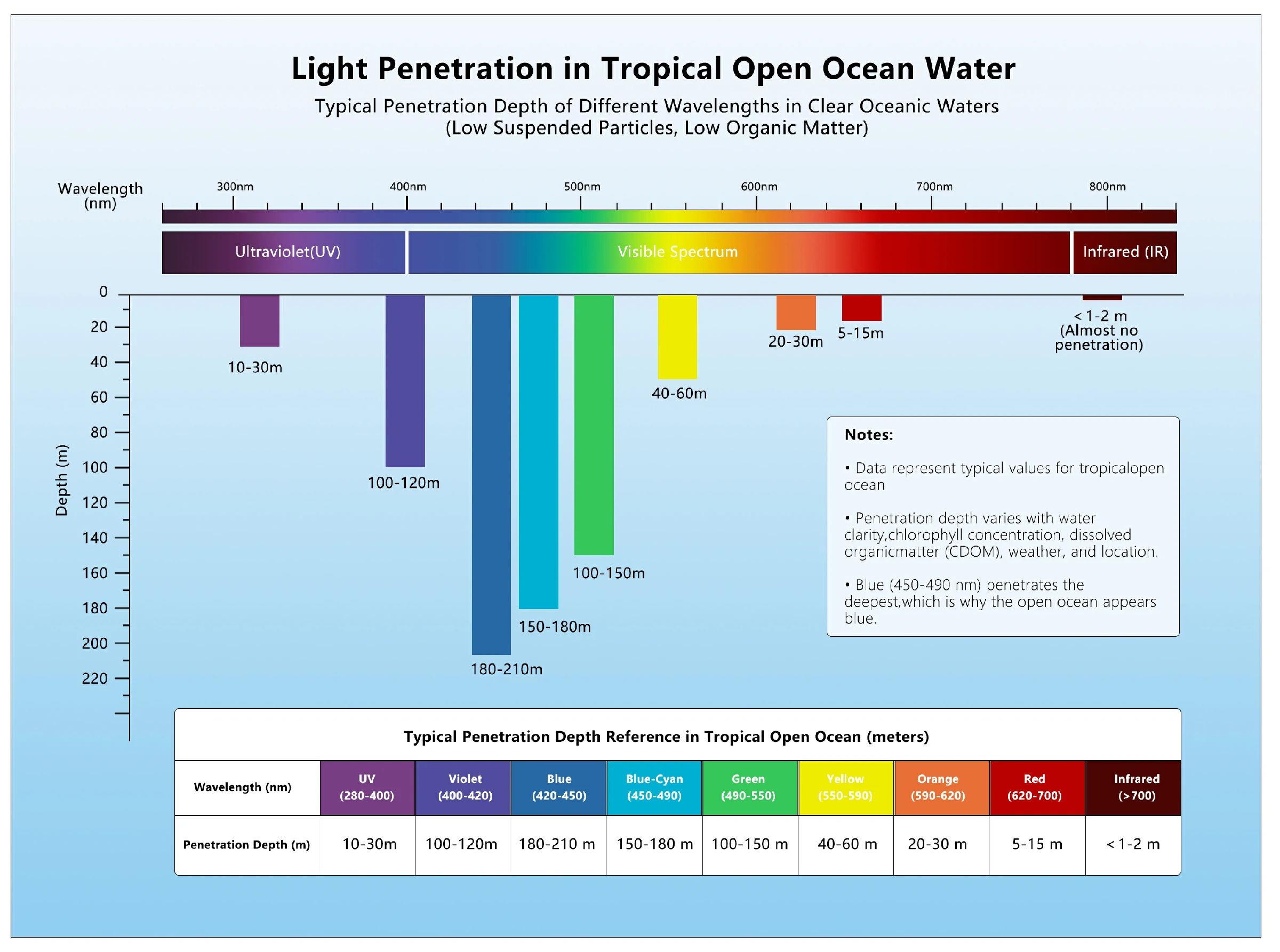
Note: Longer underwater penetration does not automatically produce better fishing results. Fishing performance depends on multiple factors, including water conditions, biological response, and fishing application.
When Do Green Fishing Lights Work Best?
Green fishing lights can be effective in many different fishing environments, but they perform best when used in the right conditions. Water clarity, fishing location, target species, and deployment method all influence the final results.
Understanding where green fishing lights work best helps anglers choose the right equipment and set realistic expectations before heading onto the water.
Saltwater Fishing
One of the most common applications for green fishing lights is saltwater fishing.
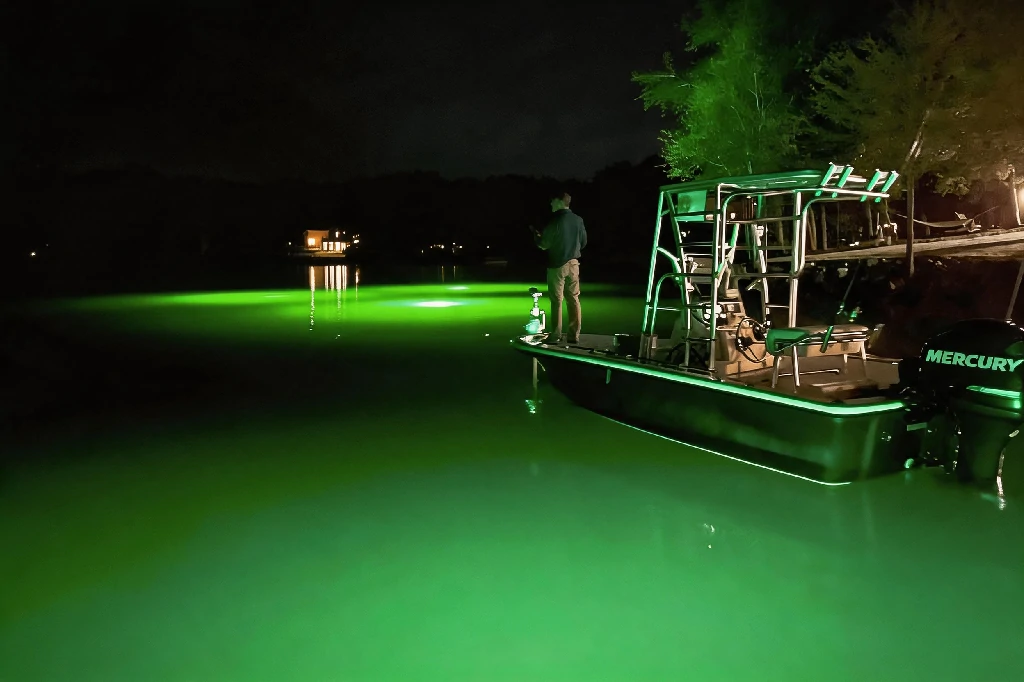
Green underwater fishing lights are widely used around boats, docks, marinas, and offshore fishing platforms because they help establish an active feeding zone beneath the water. As plankton gather, baitfish arrive, followed by larger predatory species.
For this reason, green lights have become the preferred choice for many recreational anglers as well as commercial fishing vessels operating in coastal waters.
Dock and Pier Fishing
Green fishing lights are also popular for dock and pier fishing.
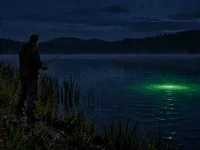
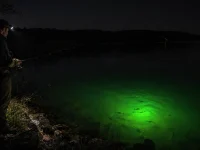
Installing an underwater green fishing light near a dock creates a consistent illuminated area that encourages marine life to gather night after night. Many anglers simply lower the light into the water before sunset and allow the ecosystem to develop naturally as darkness falls.
This method is especially popular among homeowners with private docks and anglers who fish from fixed locations.
Offshore Commercial Fishing
Commercial fishing vessels also make extensive use of underwater green fishing lights.
For offshore operations, green lights are commonly used to attract baitfish and increase fish activity around the vessel before harvesting begins. Depending on the fishing method, green lights may be combined with blue or white fishing lights to optimize performance under different environmental conditions.
This flexibility is one reason why green remains a key component in many commercial fishing lighting systems.
Green Lights Need Time to Work
One common misunderstanding is that fish will appear immediately after a green fishing light is turned on.
In reality, underwater fishing lights usually need time to establish the natural food-chain process described earlier. Depending on water conditions, current, and biological activity, noticeable fish activity may begin within 30 to 60 minutes, while larger fish often arrive later after baitfish have gathered.
Patience is an important part of using any fishing light effectively.
Choose the Right Light for the Right Job
Although green fishing lights perform exceptionally well in many situations, no single light color is perfect for every fishing application.
Professional fishermen often choose the light color based on water depth, target species, fishing method, and environmental conditions. Green remains one of the most versatile options because it performs reliably across a wide range of real-world fishing environments.
Common Myths About Green Fishing Lights
Green fishing lights have been used for decades, but many misconceptions still exist. Some anglers expect fish to appear instantly after turning on a light, while others believe green light works equally well in every situation.
Understanding what green fishing lights can—and cannot—do helps set realistic expectations and leads to better fishing results.
Myth 1: Green Light Directly Attracts Large Fish
Fact: Green light mainly starts a natural food-chain reaction.
Large predator fish usually do not swim toward the light simply because they see the color green. Instead, the light first attracts plankton, which attracts baitfish. Predator fish then follow the food source.
This is why fish often appear in stages rather than all at once.
Myth 2: Brighter Is Always Better
Fact: More light does not always mean more fish.
A brighter fishing light can illuminate a larger area, but excessive brightness does not guarantee better fishing results. Water clarity, current, target species, and the surrounding environment all play important roles.
Choosing the appropriate power for the fishing location is usually more effective than simply selecting the brightest available light.
Myth 3: Green Fishing Lights Work Instantly
Fact: Building an active feeding zone takes time.
After the light is turned on, plankton, baitfish, and predator fish usually arrive gradually. Depending on environmental conditions, noticeable fish activity may take anywhere from 30 minutes to more than an hour.
Patience is often just as important as choosing the right fishing light.
Myth 4: Green Light Is Always Better Than Every Other Color
Fact: Different colors serve different fishing purposes.
Green is one of the most versatile fishing light colors, especially for attracting baitfish and creating a productive feeding zone. However, blue, white, and red fishing lights each have their own advantages depending on water depth, fishing method, and target species.
Professional fishermen often select the light color based on the specific fishing application rather than assuming one color is always superior.
Myth 5: Green Fishing Lights Only Work in Saltwater
Fact: Green lights can also be effective in freshwater.
Although green fishing lights are most commonly associated with saltwater fishing, they are also used in many freshwater environments. In lakes and rivers, they can help attract plankton, baitfish, and certain freshwater species under suitable conditions.
However, results may vary depending on water clarity, fish species, season, and local environmental conditions.
Conclusion
Green fishing lights have earned their reputation through years of practical use rather than marketing claims. Their effectiveness comes from supporting a natural underwater food chain, performing reliably in a wide range of fishing environments, and providing a balanced combination of visibility and biological response.
Whether you’re fishing from a dock, a recreational boat, or a commercial vessel, understanding how green fishing lights work will help you choose the right equipment and use it more effectively.
Frequently Asked Questions
Fish are not directly attracted to the color green. Green light helps create a natural underwater feeding zone by attracting plankton first, followed by baitfish and eventually larger predator fish. This natural food-chain reaction is the main reason green fishing lights are so effective.
Under normal conditions, small baitfish may begin to appear within 30 to 60 minutes after the light is turned on. Larger predator fish usually arrive later after baitfish have gathered. Actual results depend on water conditions, current, fish activity, and the surrounding environment.
Neither color is always better. Blue light generally penetrates farther in very clear offshore water, while green light provides an excellent balance between underwater visibility, biological response, and real-world fishing performance. This is why green fishing lights are the most widely used choice for many fishing applications.
Yes, but their effectiveness may be reduced. Suspended particles and algae can scatter and absorb light, limiting the illuminated area. Even so, green fishing lights often perform well in coastal waters, harbors, and estuaries where water clarity is less than ideal.
The ideal depth depends on water conditions and the fishing application. For most recreational fishing, placing the light approximately 1 to 3 meters (3 to 10 feet) below the surface provides good coverage while allowing the feeding zone to develop naturally. Commercial fishing operations may use different depths depending on the target species and fishing method.
Yes. Green fishing lights can help attract plankton and bait organisms that squid feed on, making them useful in certain squid fishing applications. However, many commercial squid fisheries also use blue or white fishing lights depending on local fishing methods, target species, and environmental conditions.
-1024x1024.webp)