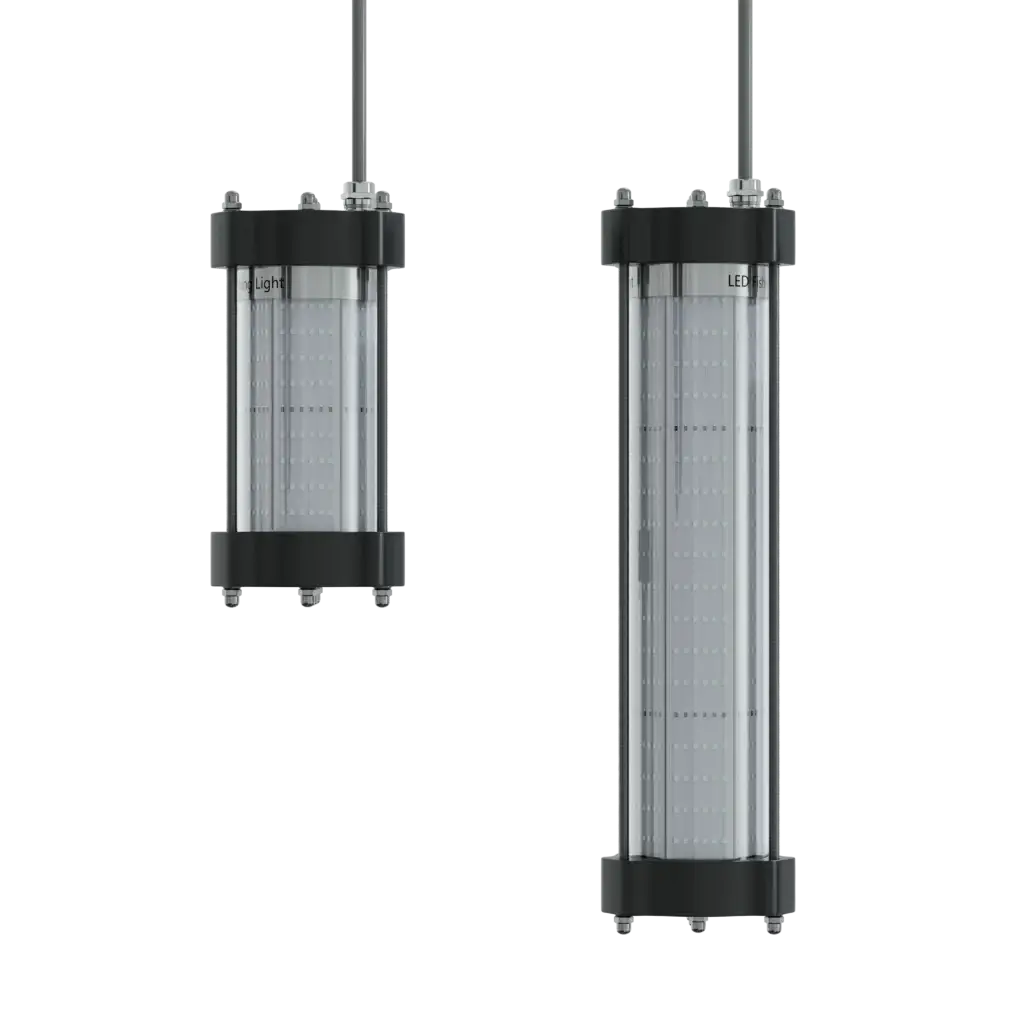
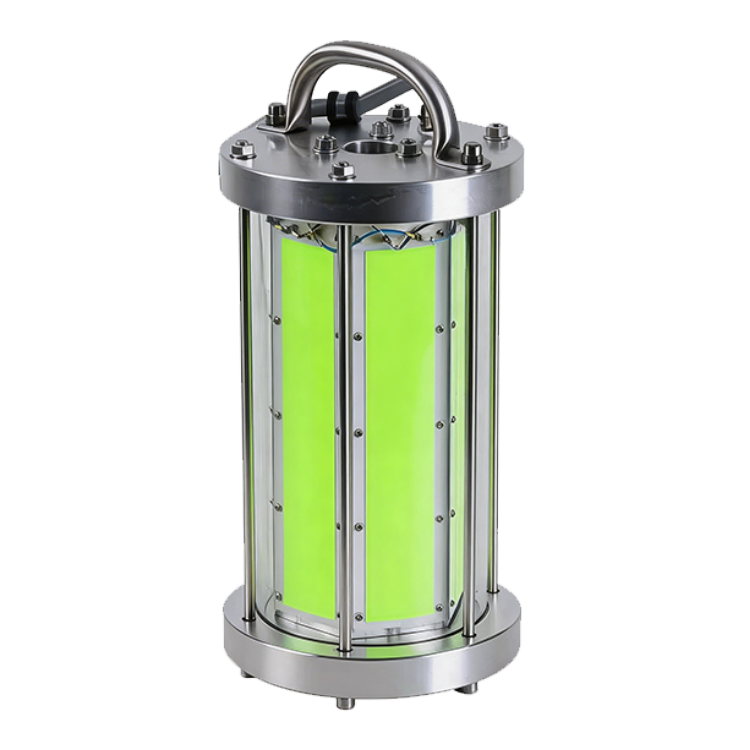
-1024x1024.webp)
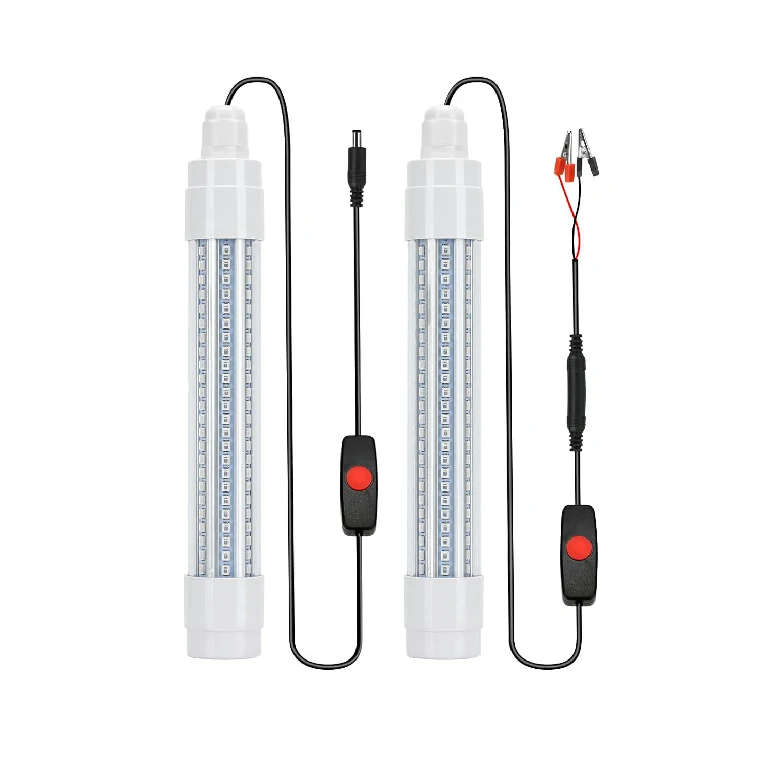
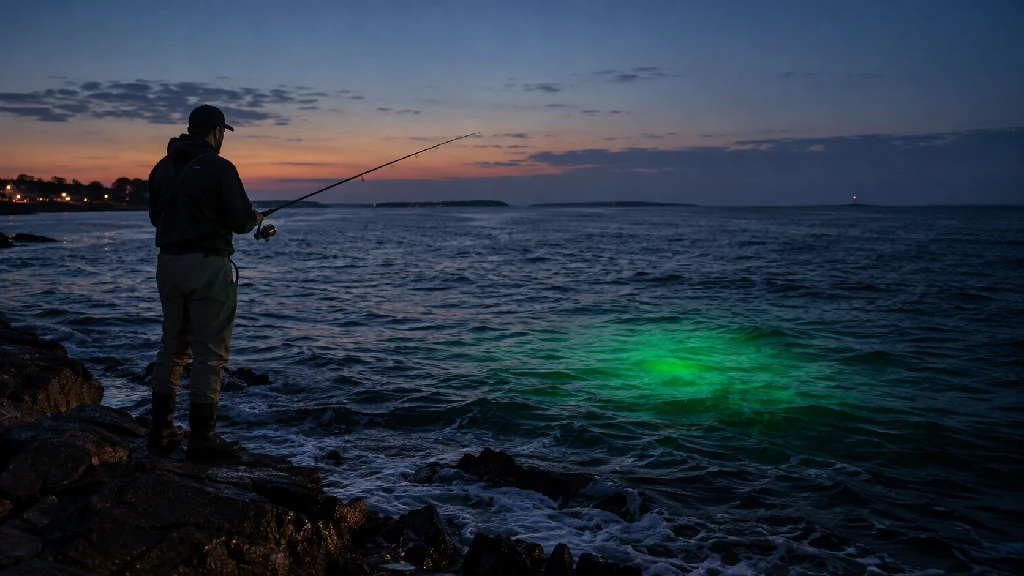
The most likely reason is not a change in the fishing light. It is a change in the relationship between the light, the current and the baitfish route.
On the incoming tide, rising water may carry baitfish along a flooded edge, creek mouth or dock structure that passes through the lighted area. The current may also place relatively sheltered holding water beside the lamp. When the tide turns, shallow habitat drains, the baitfish route shifts toward deeper water and the sheltered side of a piling or wall can move. The lamp remains in the same place, but the fish no longer pass through—or can no longer hold inside—the same part of its attraction zone.
The solution is therefore not automatically a brighter light. First determine which of three events occurred: the school moved to another side of the structure, the school left along an ebb route, or the fish only became harder to see. Each observation calls for a different response.
First, Confirm That the Current Has Actually Turned
Do not diagnose the problem from the high-tide time alone. Tide height is the vertical rise and fall of water; tidal current is horizontal water movement. NOAA explains that high or low tide does not reliably occur at slack water. The time difference between high water, slack water and current reversal depends on the location.
Use a local current prediction where one exists, but verify the direction at the fishing spot. Watch how suspended particles, weed or foam travel past a fixed piling, and note which way the light cable angles. Wind can move surface material differently from deeper water, so compare more than one clue.
Record the moment when the school changes position relative to the piling—not merely the time printed in a tide app. If the fish shift when the current reverses, flow direction is probably involved. If they leave well before or after the reversal, changing water depth, prey movement or time of night deserves more attention.
Case 1: The School Moves to the Other Side of the Structure
This is the clearest sign that the holding water moved while the baitfish remained nearby.
A piling, seawall, rock or hull changes the water immediately around it. When current direction reverses, the area protected from the strongest flow may no longer be beside the lamp. Fish can still be attracted to the general area while choosing a nearby position where maintaining station requires less effort.
Research supports the biological importance of flow shelter. In experiments with two coral-reef fish species, access to a low-flow refuge allowed the fish to remain active much longer in strong flow. That study does not provide a universal current-speed limit for baitfish, but it does support checking sheltered water rather than assuming the lamp stopped working.
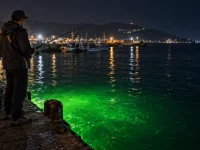
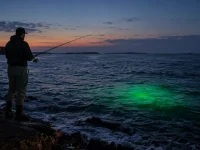
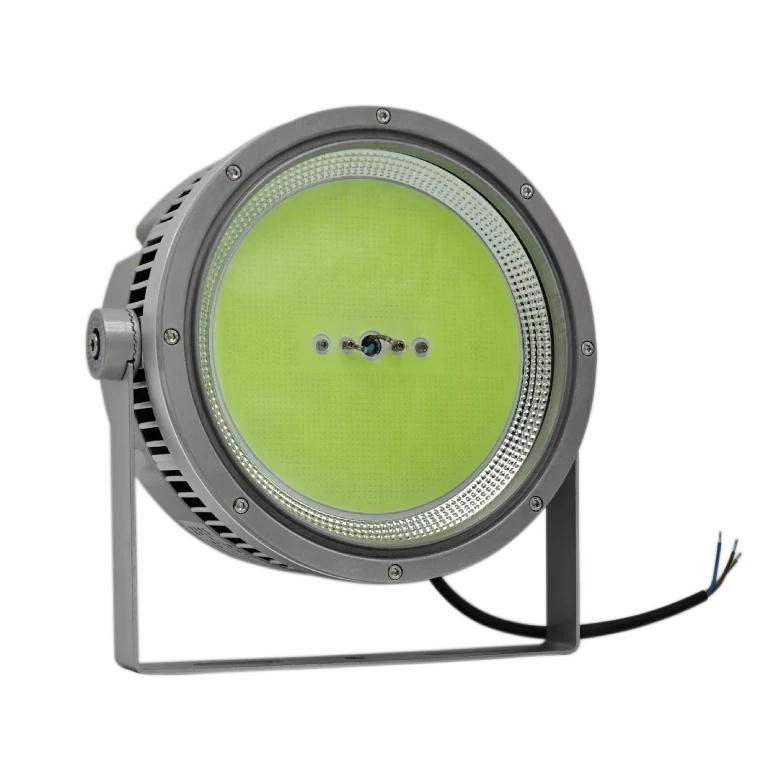
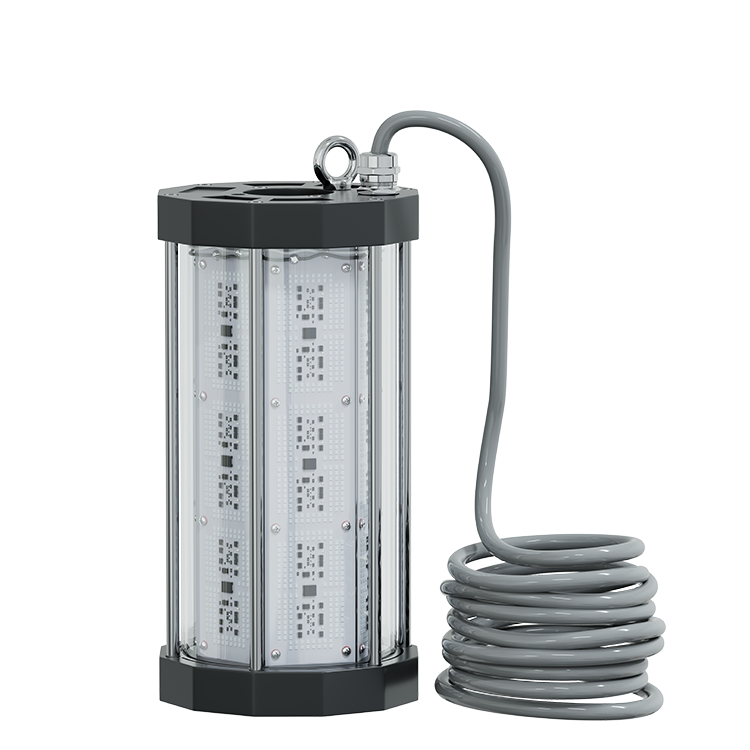
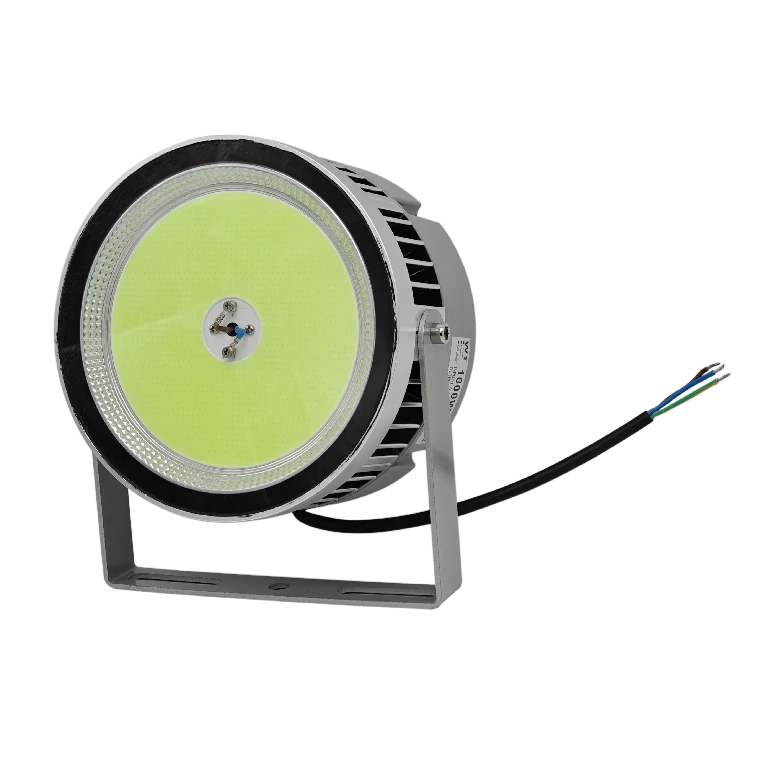
Use a fixed piling as your reference. If fish cross the illuminated water, then repeatedly settle beside another part of the structure, they have not left the site. A portable fishing light can be repositioned so that the useful light field overlaps the observed holding area. Keep the light output unchanged during this first adjustment; otherwise you will not know whether position or brightness made the difference.
Do not move the lamp mechanically to the exact opposite side. Several pilings, a curved wall or an uneven bottom can create a more complicated sheltered pocket. Follow the fish position you can observe.
Case 2: The School Leaves in One Direction as the Water Falls
This pattern indicates a route change, not merely a shift around the lamp.
Watch the movement relative to two fixed points. A holding school repeatedly maintains or returns to the same area. A departing school travels past both points in a consistent direction and does not reform nearby. If this begins while the shallow edge is draining, the route that supplied the light during the flood may be closing.
Field research in South Carolina salt-marsh creeks found that the movements of fish, shrimp and other swimming animals were structured by water depth. Most sampled groups left the creeks at approximately the depths at which they had entered, although migration depth differed among groups and body sizes. This was not a fishing-light experiment, but it demonstrates why a productive flood-tide route may cease to pass a fixed lamp as water falls.
Look toward the nearest connection that retains water: a creek mouth, gutter, channel margin or drop-off. Move only when you can see fish using that route or detect them with equipment you already carry. The mere presence of deeper water does not prove that baitfish are there.
If the school is travelling out of the entire area, moving the lamp a few feet around the original piling will not solve the problem. Fish the observed exit route from an accessible position, or use the original installation during its proven incoming-tide window.
Case 3: The Water Changes but You Cannot Confirm That the Fish Left
A visual disappearance is not always a biological disappearance. Outgoing water can transport suspended sediment at some sites. NOAA documents sediment carried out of California’s Elkhorn Slough during low tide, but this is a local example, not a rule that every ebb tide becomes muddy.
USGS defines turbidity through the scattering and absorption of light. When both fish silhouettes and known underwater features become difficult to distinguish, counting only visible fish will underestimate what remains in the water.
In this situation, do not conclude that the light lacks power. Compare the visibility of the same piling, rope or bottom feature before and after the change. If you already have sonar, use it as a second observation. If the evidence remains inconclusive, record the result as “fish not visible,” not “fish absent.” That distinction prevents an unnecessary change of lamp.
Use This Decision Rule at the Next Tide Change
Keep the lamp in the same setting and watch one complete transition from flood to ebb. Record actual current direction, water level against a fixed object, fish location and water clarity.
| Observation after the current turns | What it means | Best next action |
|---|---|---|
| Fish reform beside another side of a piling or wall | The holding area shifted | Move a portable light toward the observed holding water |
| Fish travel consistently toward a creek mouth, gutter or channel and do not return | Their tidal route left the original lighted area | Follow the accessible route or change to an ebb-tide position |
| Fish pass through the light but do not maintain position until the flow eases | The present location does not provide suitable holding water at that flow | Fish the slower window or locate nearby shelter |
| Fish and underwater reference points become difficult to see at the same time | Reduced visibility may be hiding the school | Confirm with another observation before changing the light |
Repeat the observation on another night with a similar tidal range. Comparing an incoming tide at dusk with an outgoing tide several hours later can confuse tidal effects with time-of-night changes. A repeated change at the current reversal is much more useful than one isolated session.
The Practical Conclusion
If the same fishing light consistently holds baitfish on the incoming tide but not the outgoing tide, treat the original position as an incoming-tide position. The light works there because the flood-tide route and holding water overlap its attraction zone. When the current reverses, find where the baitfish actually relocate.
Move the light when the school shifts around the structure. Change fishing position when the school follows a departing route. If only visibility deteriorates, confirm whether the fish are gone before changing anything.
The correct adjustment follows the baitfish’s position—not the words “incoming” or “outgoing” on a tide table, and not an assumption that more brightness will overcome a route the fish no longer use.
Frequently Asked Questions
Is an Outgoing Tide Always Worse for an Underwater Fishing Light?
No. An outgoing tide can be productive where an ebb route passes accessible sheltered water. The problem described here is specific to a lamp position that overlaps the baitfish route on the flood but not on the ebb.
Should I Increase Brightness When Baitfish Leave After the Tide Turns?
Not before locating the fish. Greater output cannot restore water over a draining flat or move a flow refuge. First determine whether the school shifted nearby, departed along another route or only became harder to see.
Should I Move the Light at the Published High-Tide Time?
No. High tide and current reversal may occur at different times. Move the light only after the actual flow and fish position show that the useful holding area has changed.
What if Baitfish Stay Around the Light but Larger Fish Stop Biting?
Then the lamp is still holding baitfish, so tide-related baitfish retention is not the immediate problem. Predator position, lure depth and bait presentation should be examined separately. See Fish Around the Light but Not Biting? Six Changes to Make.