Why LED Fishing Lights Are Becoming Essential in Modern Fishing
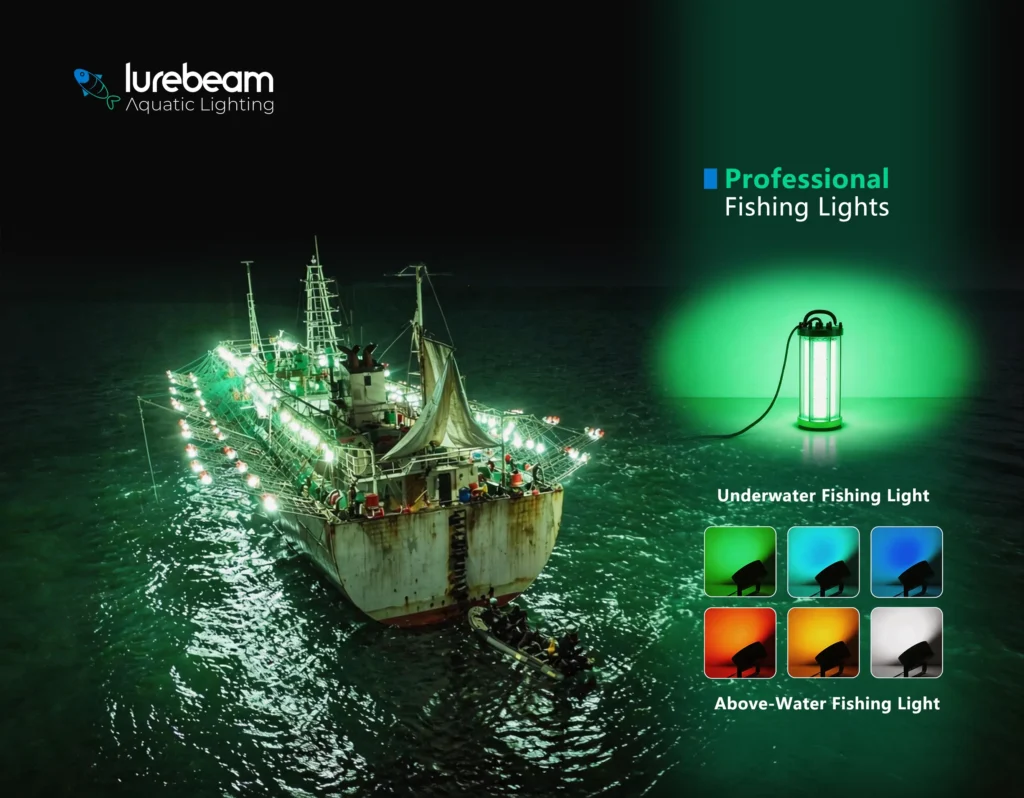
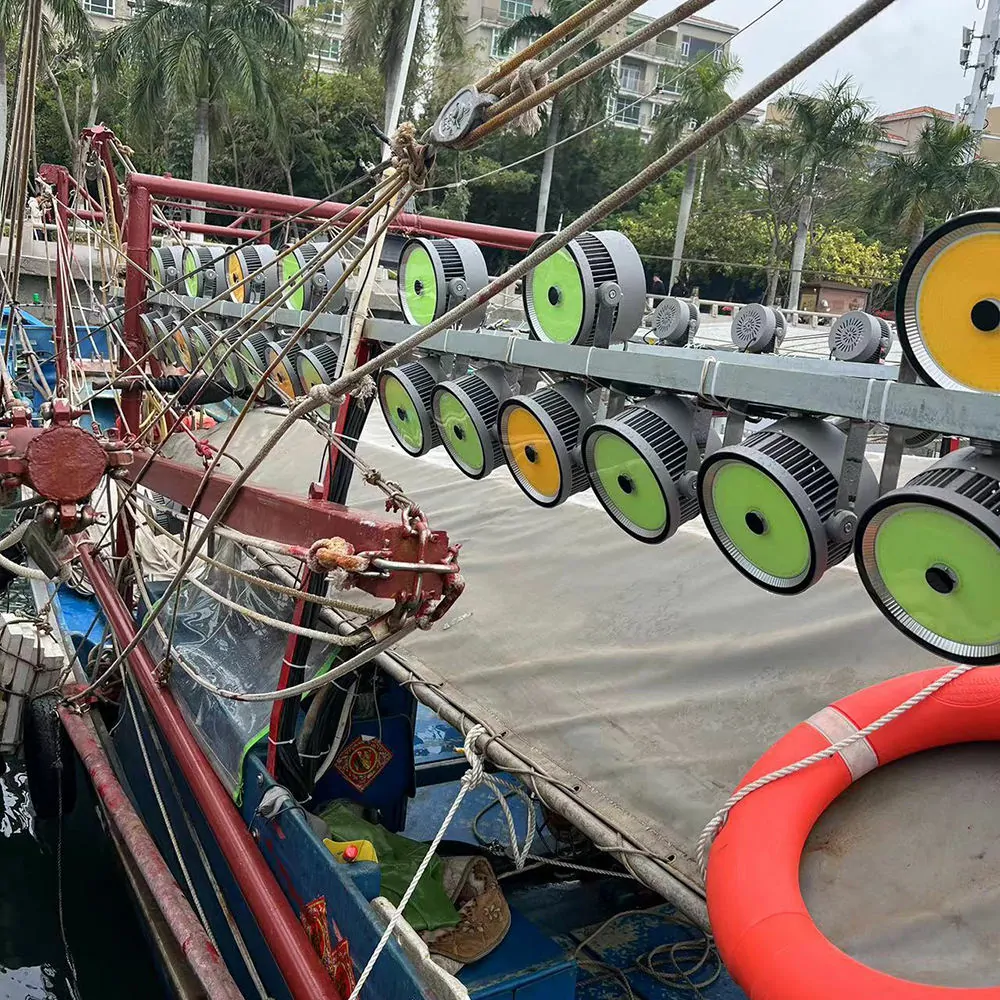
At night, some commercial fishing boats can be seen from kilometers away because of the powerful lights covering the sea surface. For professional fishermen, these lights are far more than simple illumination tools. Fishing lights directly affect catch efficiency, fuel consumption, crew safety, and overall operating costs. Today, LED fishing lights are rapidly replacing traditional metal halide fishing lamps in commercial fisheries around the world. The reason is simple: modern LED systems provide better energy efficiency, longer lifespan, and more stable fishing performance.
What Are Fishing Lights?
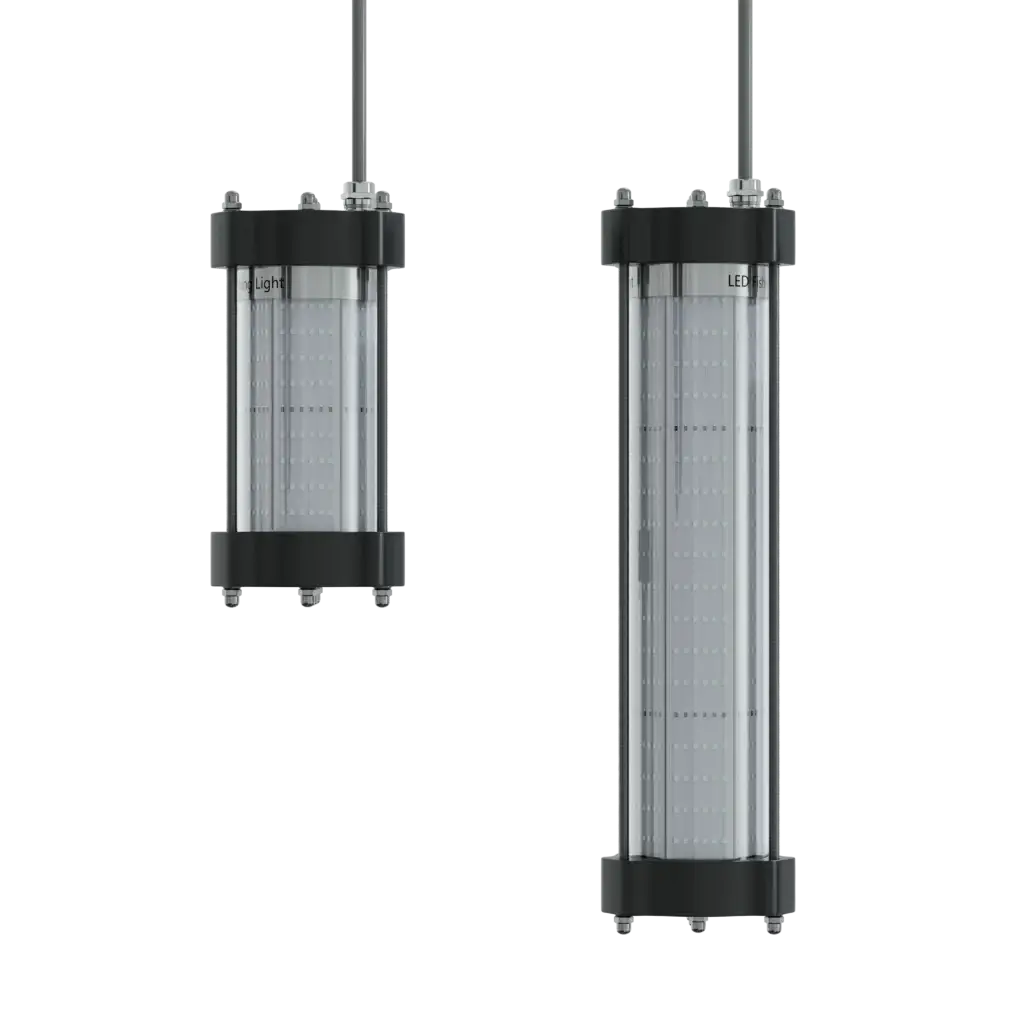
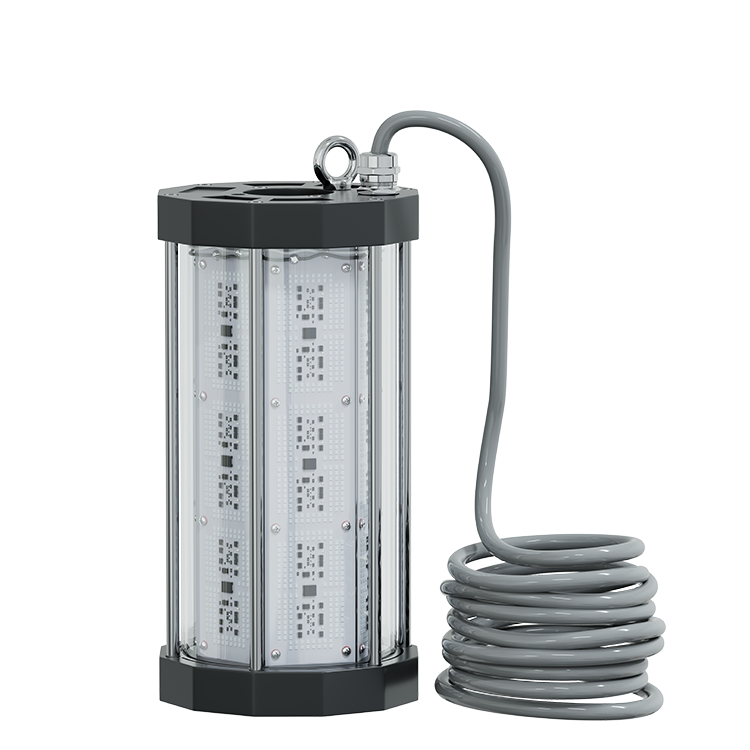
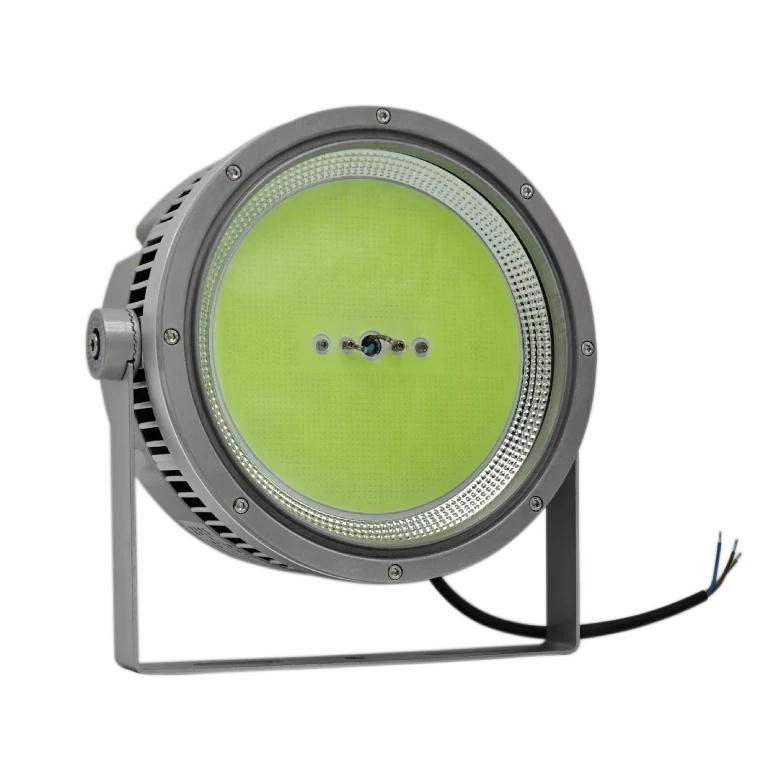
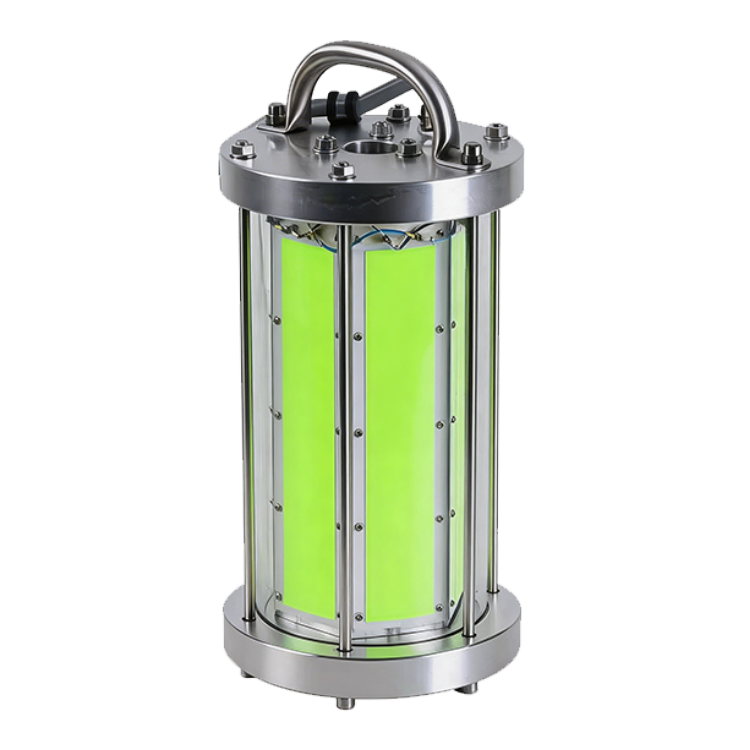
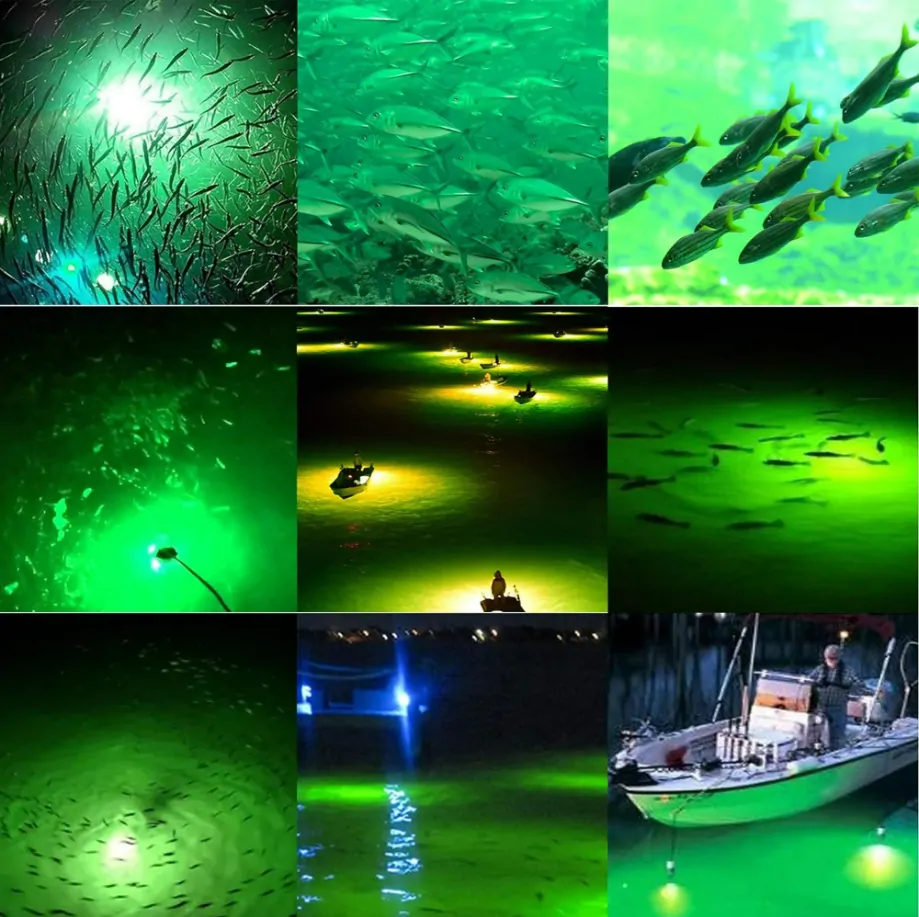
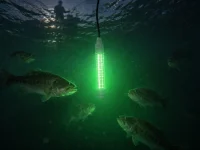
Fishing lights are specialized marine lighting systems designed to attract fish, squid, shrimp, and plankton using artificial light sources. These lights are commonly installed on commercial fishing boats, squid fishing vessels, docks, and underwater fishing platforms. The working principle behind fishing lights is based on phototaxis, which refers to how marine organisms react to light. At night, plankton gathers around light sources first. Small baitfish then arrive to feed on the plankton, followed by larger fish and squid. This creates an artificial underwater feeding zone around the fishing boat.
Fishing with Light Has Become More Advanced
Using light to attract fish is a common practice in modern commercial fishing. Over the years, fishing technology has evolved from traditional high-energy metal halide lamps to more efficient LED fishing lights. Modern fishing operators now focus not only on brightness, but also on energy efficiency, fish aggregation performance, and environmental impact. As fuel costs continue rising globally, LED fishing lights are becoming an increasingly important solution for commercial fishing fleets.
Why Green LED Fishing Lights Are So Popular
If you look at modern squid fishing vessels, you will notice that many use green fishing lights instead of white lights. This is not simply for appearance. Marine researchers have found that green wavelengths between approximately 500nm and 570nm can penetrate seawater efficiently while remaining highly visible to many marine organisms. In several fishing experiments, researchers observed that green fishing lights often produced stronger fish aggregation effects compared with some traditional lighting systems. A scientific review published through PubMed Central also discussed how artificial light can influence marine organism behavior underwater, including attraction responses related to wavelength and light intensity.
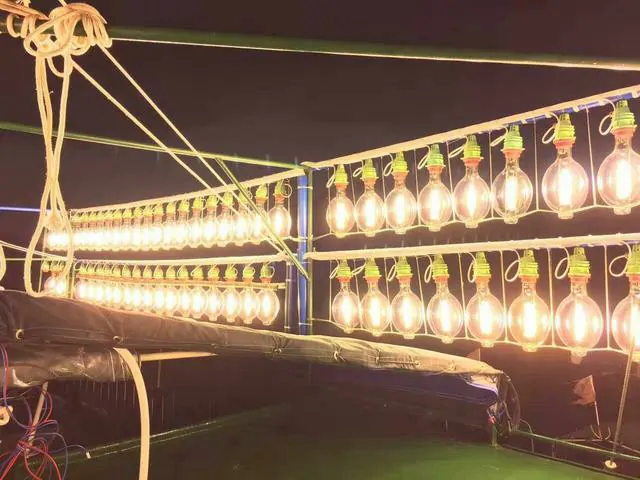
For decades, metal halide lamps dominated commercial fishing operations. Although they provided strong brightness, they also created serious operational problems. A traditional 2000W metal halide fishing lamp consumes massive amounts of electricity. Large fishing boats may operate dozens of lamps simultaneously during nighttime fishing. This increases generator load and significantly raises fuel consumption. Traditional lamps also generate extreme heat. On crowded fishing vessels operating in tropical waters, excessive heat can make working conditions difficult for crews. Frequent bulb replacement is another major problem for offshore fishing fleets.
Why Commercial Fishing Fleets Prefer LED Fishing Lights
Modern LED fishing lights can reduce power consumption by 50% to 70% compared with traditional metal halide systems. For commercial fishing operators, this can mean substantial fuel savings every year. High-quality LED fishing lights can also operate for over 50,000 hours, greatly reducing maintenance frequency and replacement costs. Another important advantage is lower heat generation. LED systems operate much cooler than traditional fishing lamps, improving onboard safety and crew comfort. Some commercial fishing operators in Southeast Asia also reported that LED fishing lights improved nighttime visibility while reducing unnecessary glare on deck.
Common Applications of LED Fishing Lights
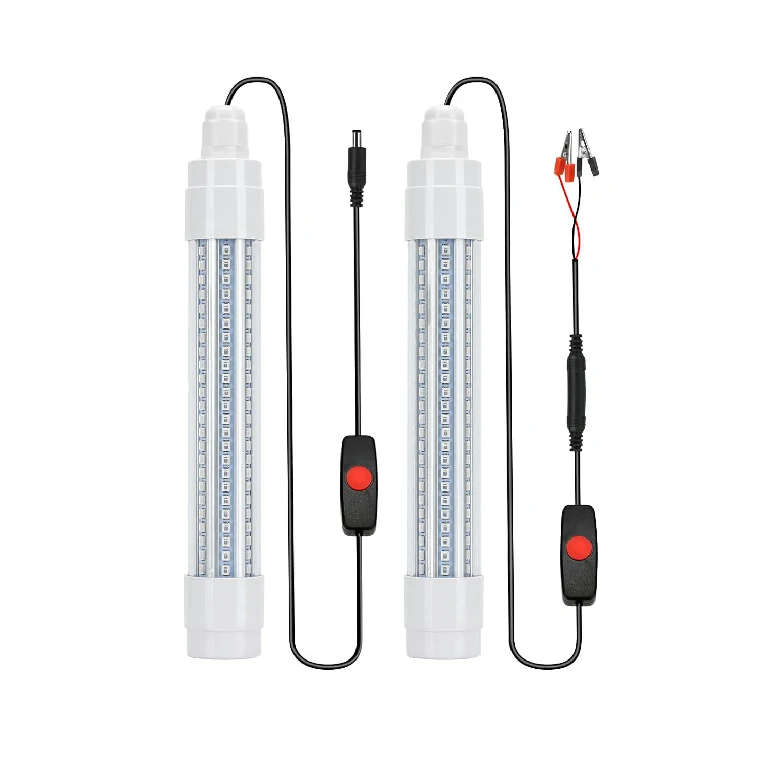
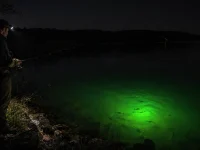
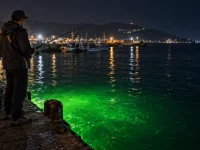
Today, LED fishing lights are widely used in many marine industries. Squid are highly sensitive to light and tend to gather rapidly around illuminated areas at night, making squid fishing one of the largest markets for high-power LED fishing lights. Fishing lights are also commonly used in sardine fishing and tuna fishing because they help concentrate schools of fish and improve net fishing efficiency. Portable underwater LED fishing lights are becoming increasingly popular among recreational anglers around lakes, docks, and coastal areas. In addition, some fish farms use specialized marine lighting systems to influence fish feeding behavior and improve aquaculture efficiency.
The Future of LED Fishing Lights
As fuel prices continue to rise globally, energy-efficient fishing equipment is becoming increasingly important. Modern LED fishing lights already include technologies such as intelligent dimming systems, IP68 waterproof protection, smart temperature management, adjustable spectrum technology, and remote operation systems. In the future, marine fishing lights are expected to become even smarter, more efficient, and more specialized for different fishing environments.
Conclusion
Fishing lights are no longer just simple lamps mounted on fishing boats. They are now an essential technology that directly affects fishing efficiency, operating costs, and commercial profitability. Compared with traditional lighting systems, LED fishing lights provide better energy efficiency, longer lifespan, lower maintenance costs, and more reliable performance in harsh marine environments. For modern commercial fishing fleets and recreational fishermen alike, investing in high-quality LED fishing lights is becoming one of the smartest long-term decisions in the marine industry.
chuck
Hi, I’m Chuck, with 10 years of experience in the LED lighting industry, specializing in underwater fishing lights and aquatic lighting solutions. Backed by China’s mature manufacturing capabilities, I focus on delivering high-brightness, durable lighting products. Through this website, I also share practical insights and tips to help you choose the right fishing light.
chuck
Hi, I’m Chuck, with 10 years of experience in the LED lighting industry, specializing in underwater fishing lights and aquatic lighting solutions. Backed by China’s mature manufacturing capabilities, I focus on delivering high-brightness, durable lighting products. Through this website, I also share practical insights and tips to help you choose the right fishing light.
Where Should You Place a Fish Light for Crappie: Over Open Water, a Weed Edge or Standing Timber?
Learn where to place a fish light for crappie around open water, outside weed edges and standing timber, with practical habitat-selection and deployment rules.
Do Green Fishing Lights Help You Catch Bass at Night—or Only Attract Baitfish?
Green fishing lights can help anglers catch bass at night, but usually by concentrating baitfish and creating a usable light–dark feeding boundary—not by acting as a direct bass magnet. Learn what the science shows and where to cast.
Night Fishing Lamp vs Fish Light: Can a Headlamp or Flashlight Actually Attract Fish?
A headlamp or flashlight may reveal fish already present, but it rarely creates the stable underwater attraction field produced by a purpose-designed fish light. Learn how to distinguish attraction from visibility and test both under matched conditions.
Where Should You Position a Fish Light Around a Dock: Inside the Slip, Beside the Pilings or Beyond the Corner?
For most docks, begin beside the outermost piling on the open-water side. Compare the slip, piling and outer-corner positions using water movement, light-field obstruction, casting access and cable safety.
To provide the best experiences, we use technologies like cookies to store and/or access device information. Consenting to these technologies will allow us to process data such as browsing behavior or unique IDs on this site. Not consenting or withdrawing consent, may adversely affect certain features and functions.
Functional
Always active
The technical storage or access is strictly necessary for the legitimate purpose of enabling the use of a specific service explicitly requested by the subscriber or user, or for the sole purpose of carrying out the transmission of a communication over an electronic communications network.
Preferences
The technical storage or access is necessary for the legitimate purpose of storing preferences that are not requested by the subscriber or user.
Statistics
The technical storage or access that is used exclusively for statistical purposes.The technical storage or access that is used exclusively for anonymous statistical purposes. Without a subpoena, voluntary compliance on the part of your Internet Service Provider, or additional records from a third party, information stored or retrieved for this purpose alone cannot usually be used to identify you.
Marketing
The technical storage or access is required to create user profiles to send advertising, or to track the user on a website or across several websites for similar marketing purposes.

-1024x1024.webp)

-1-1024x1024.webp)