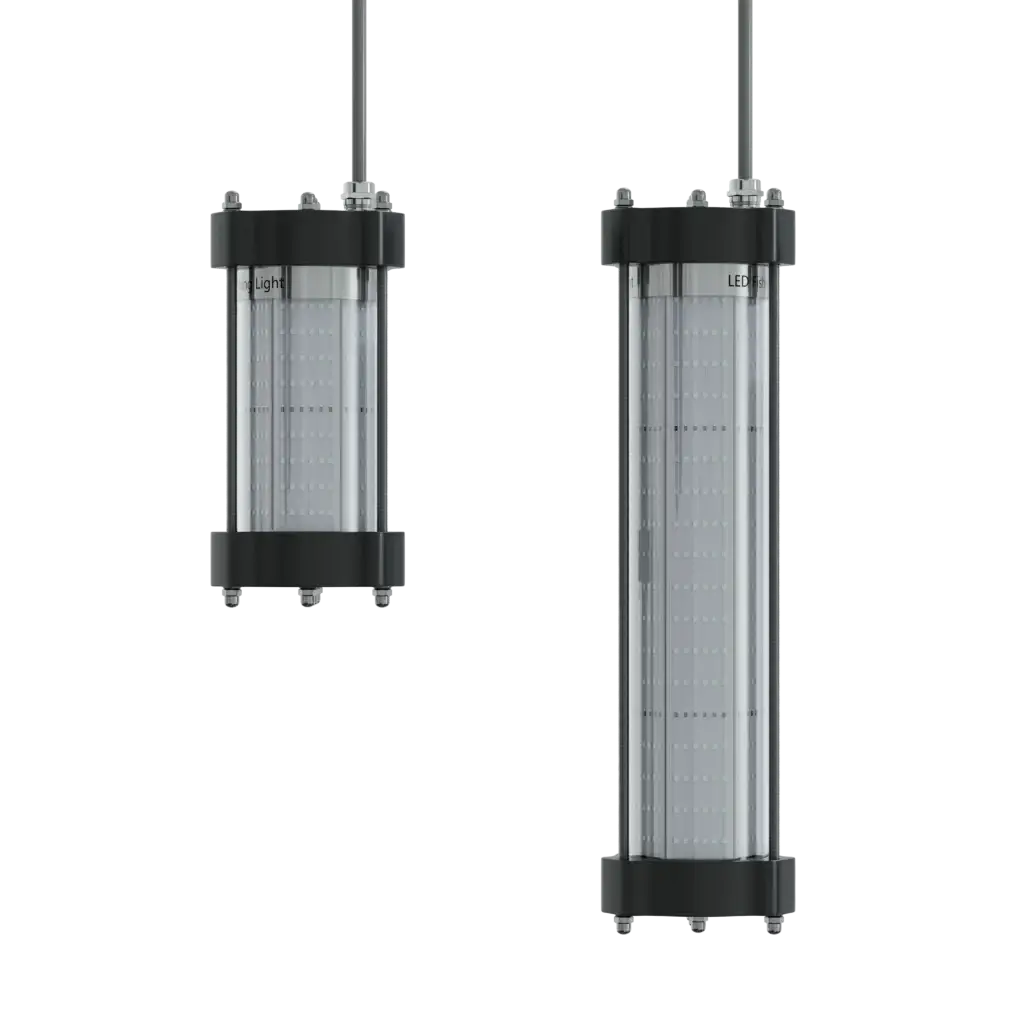
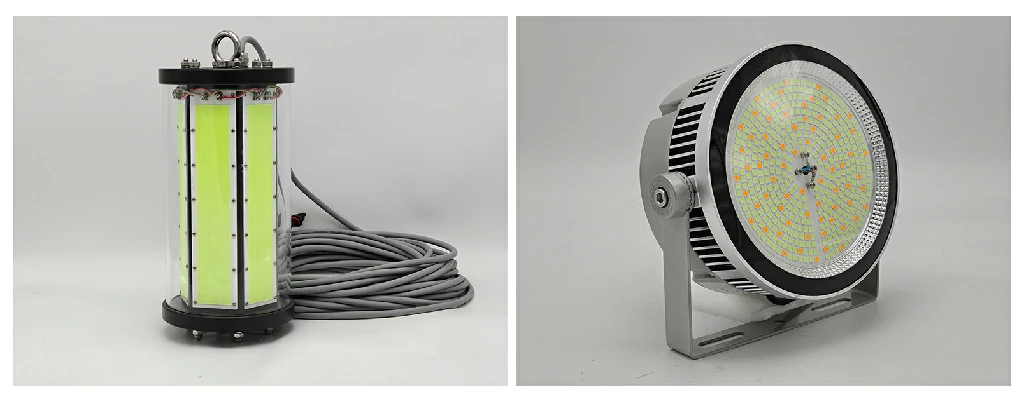
Summary
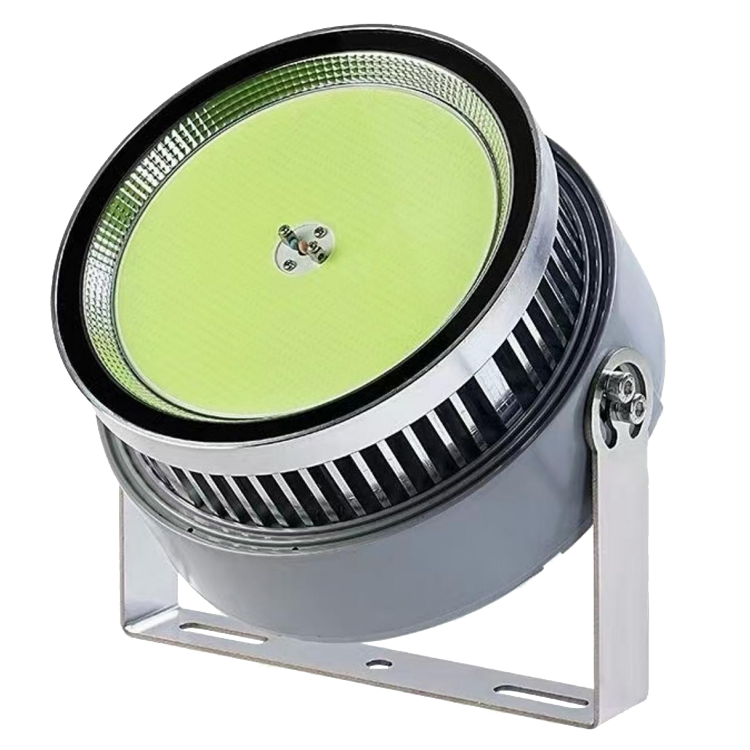
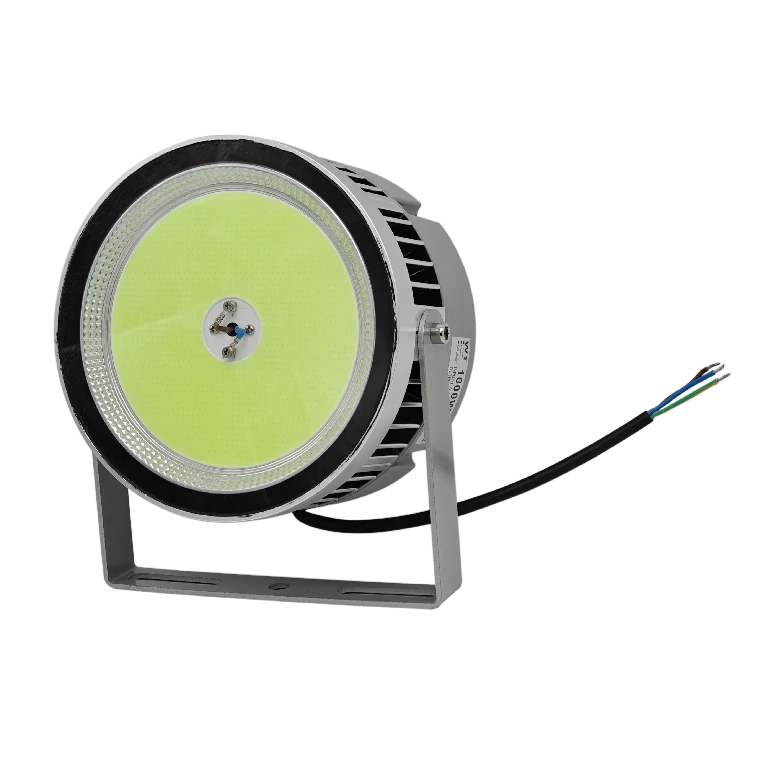
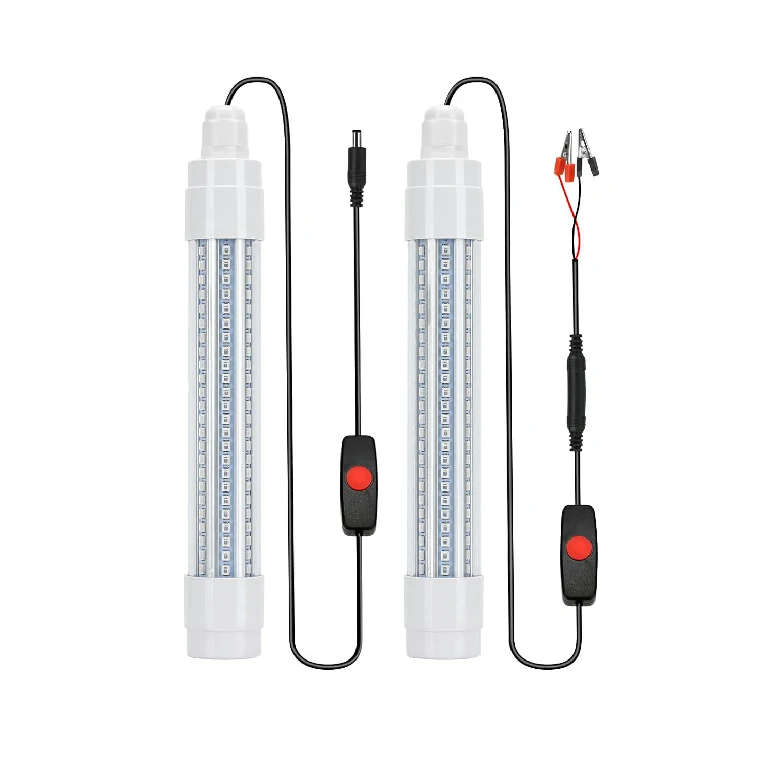
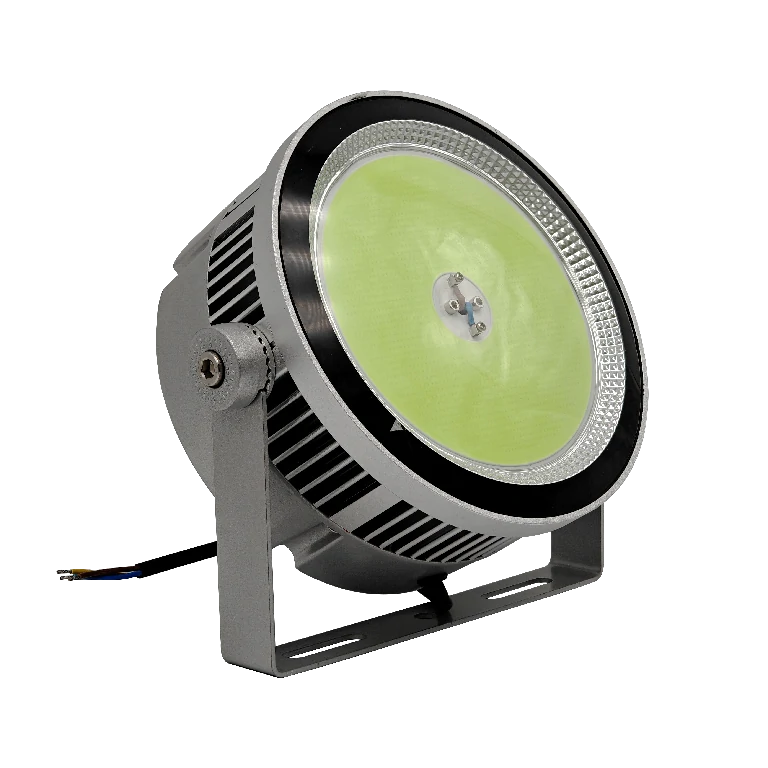
Modern LED fishing lights are no longer used only by commercial fishing vessels. Today, they play an important role in recreational fishing, aquaculture, marine research, and even marine conservation. Thanks to their energy efficiency, long service life, customizable light spectrum, and reliable performance, LED fishing lights have become an essential tool across a wide range of marine industries. This guide explores the most common applications of LED fishing lights, explains how different industries use them, and helps you understand why they have become the preferred fish-attracting solution around the world.
Introduction
When people hear the term LED fishing light, they often think of commercial fishing boats working offshore at night. While commercial fishing remains one of the largest applications, modern LED fishing lights are now used in many other industries. From recreational anglers fishing around docks to aquaculture farms raising fish, and from marine researchers studying underwater ecosystems to conservation projects monitoring marine life, LED fish-attracting technology has expanded far beyond traditional fishing.
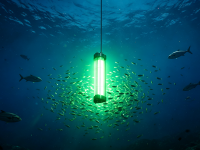
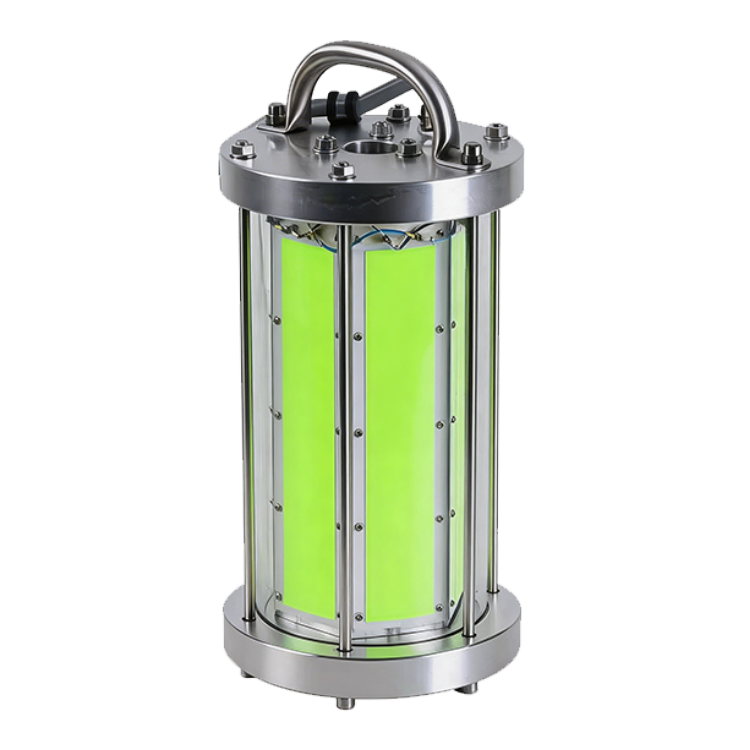
Unlike conventional lighting, LED fishing lights are designed to attract fish rather than simply illuminate the water. By creating a natural underwater feeding zone, they encourage plankton, baitfish, and eventually larger predatory fish to gather in a specific area. This biological process has made underwater fishing lights an increasingly valuable tool for both commercial and scientific applications.
In this guide, we’ll explore the most common LED fishing light applications, explain how different industries benefit from fish-attracting technology, and discuss why LED systems have become the preferred choice over traditional metal halide fishing lights.
Why LED Fishing Lights Are Used Across So Many Industries
The rapid adoption of LED fishing lights is not simply the result of lower energy consumption. Compared with traditional metal halide fishing lights, LED technology offers greater flexibility, improved reliability, and better control over light output. These advantages allow LED fishing lights to meet the needs of very different applications, from large commercial fishing vessels to portable lights used by recreational anglers.
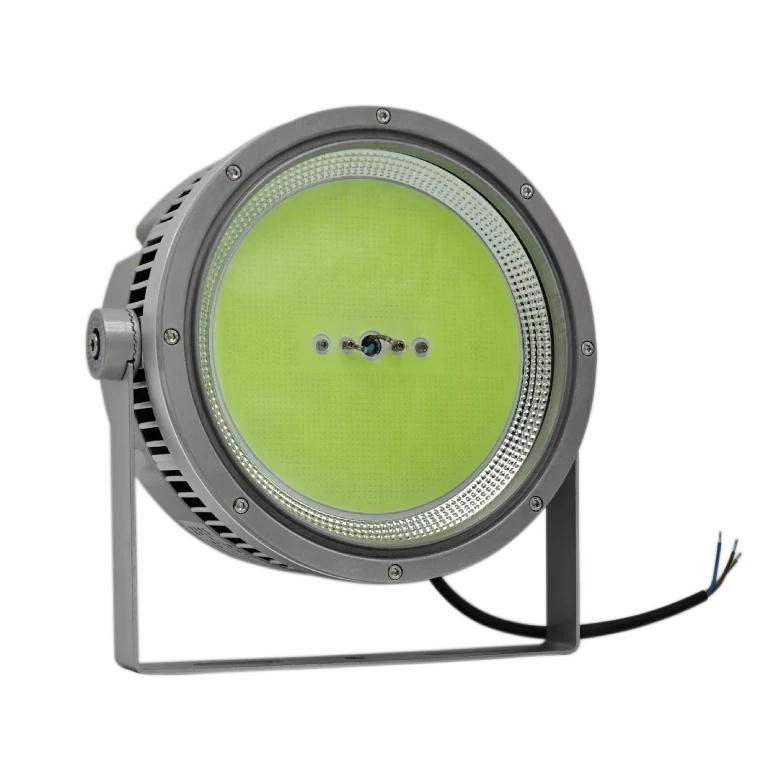
Another important advantage is the ability to produce different light colors and beam patterns for specific fish-attracting applications. Green, blue, white, and red fishing lights each serve different purposes depending on the fishing method, water conditions, and target species. This flexibility has made LED technology suitable not only for commercial fishing but also for aquaculture, marine observation, and scientific research.
Commercial Fishing Applications
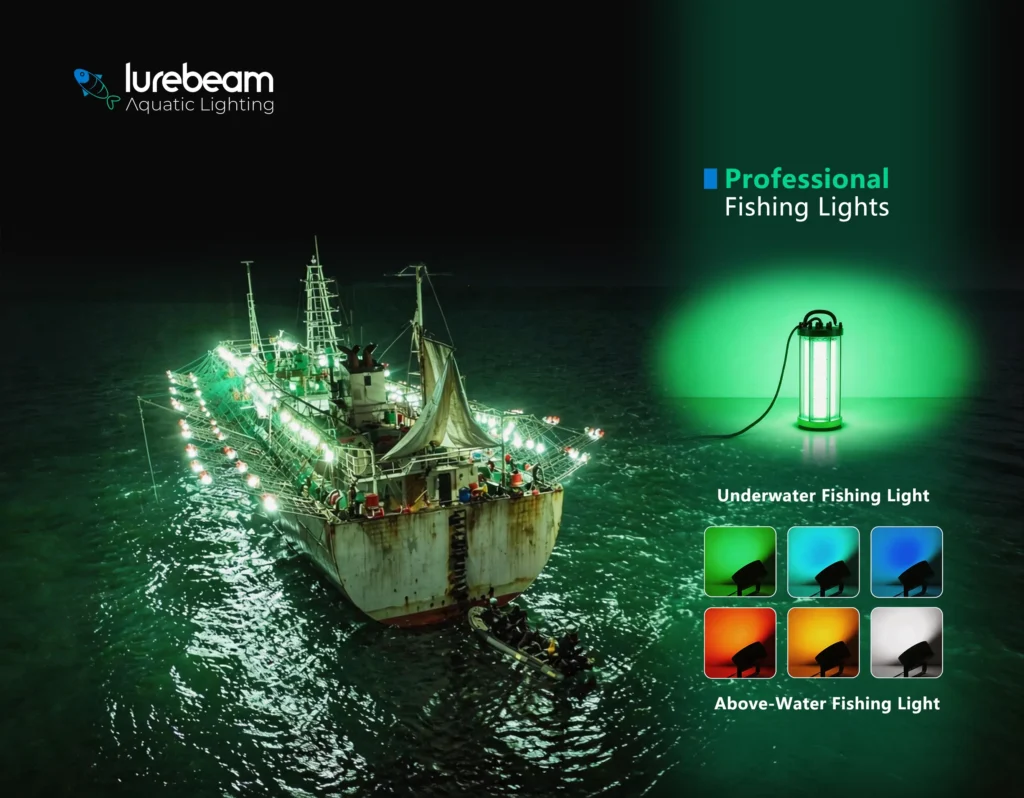
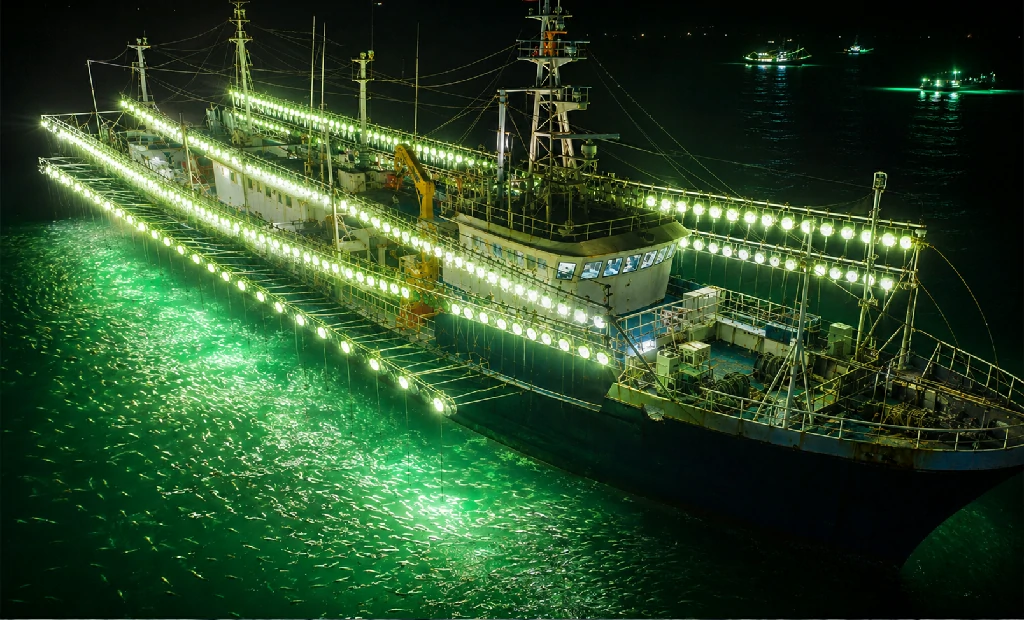
Commercial fishing is one of the largest and most established applications for LED fishing lights. Around the world, fishing vessels use fish-attracting lights to improve fishing efficiency, increase target fish aggregation, and reduce unnecessary fuel consumption caused by searching for active fish schools.
Compared with traditional metal halide systems, modern LED fishing lights offer higher energy efficiency, longer service life, lower maintenance requirements, and greater flexibility in light color selection. These advantages have made LED technology the preferred choice for many commercial fishing operations.
Squid Fishing
Squid fishing is one of the best-known applications of commercial fishing lights. Squid are naturally sensitive to light and respond well to carefully controlled artificial illumination during nighttime fishing.
Today, many commercial squid fishing vessels have replaced traditional metal halide lamps with LED squid fishing lights. In addition to reducing power consumption, LED systems allow operators to select different light colors and optimize the lighting layout for specific fishing conditions.
Depending on the target species and local fishing practices, green, blue, or white fishing lights may be used individually or in combination to improve fish-attracting performance.
Purse Seine Fishing
Purse seine fishing targets schooling fish such as sardines, anchovies, and mackerel. Before the net is deployed, fishing lights are often used to encourage fish schools to remain concentrated within a defined area.
LED fishing lights provide stable illumination throughout the operation while consuming significantly less power than conventional lighting systems. Their ability to operate for long periods with consistent output has made them increasingly popular on modern fishing vessels.
Trawling Operations
In trawling operations, fishing lights may be used to increase fish activity around the target area before harvesting begins. Depending on the fishing method and environmental conditions, underwater fishing lights can help improve the concentration of bait organisms and fish around the working zone.
Rather than replacing traditional fishing techniques, LED fishing lights serve as a supporting tool that helps improve overall fishing efficiency.
Longline Fishing
Longline fishing focuses on attracting fish to a specific area before baited hooks are deployed. In some fisheries, underwater fishing lights are used to increase biological activity around the fishing grounds, creating a more favorable environment before fishing begins.
Although the fishing method itself relies on baited hooks rather than nets, fish-attracting lights can still play a valuable supporting role under suitable conditions.
Learn why green fishing lights work so well
Fish Aggregation Operations
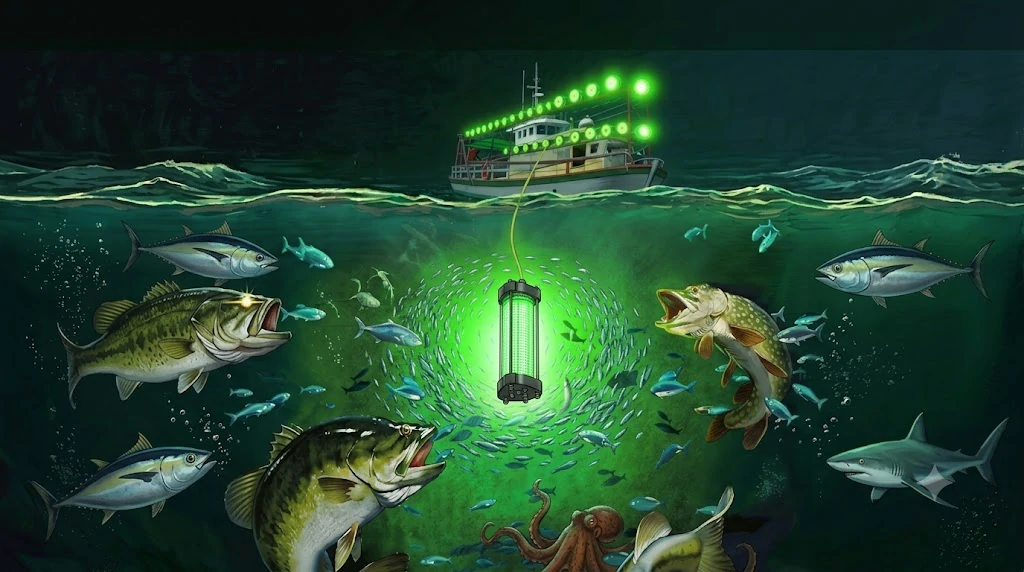
The primary purpose of commercial fishing lights is not simply to make fish visible. Instead, they help establish a natural underwater feeding zone that encourages marine life to gather over time.
By attracting plankton first, followed by baitfish and eventually larger predator fish, LED fishing lights support the natural food chain rather than forcing fish to respond unnaturally. This ecological approach is one of the reasons why underwater fishing lights have become such an important tool in modern commercial fishing.
Recreational Fishing Applications
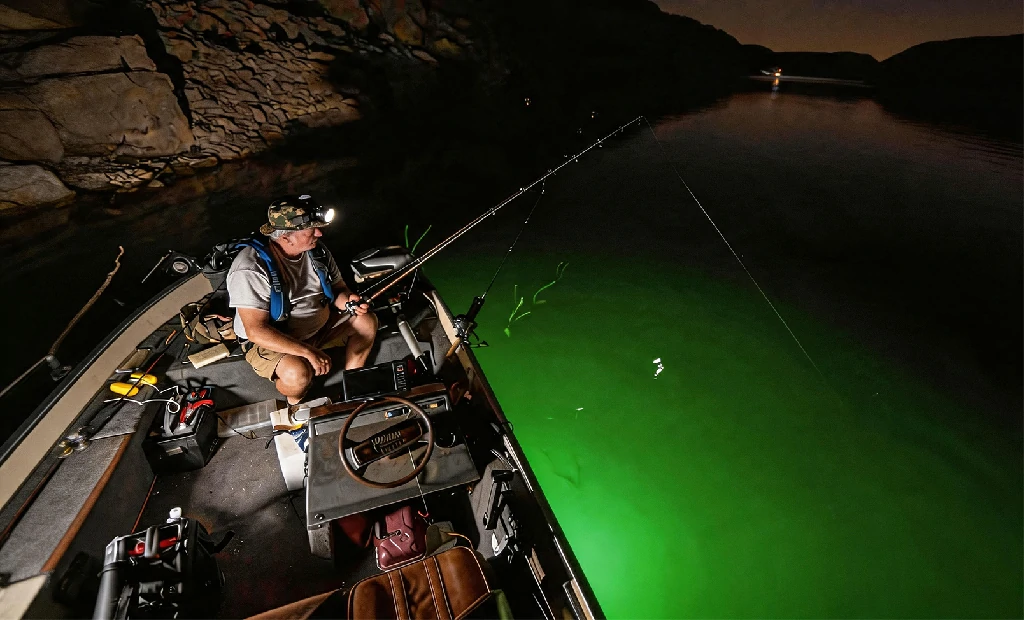
Although LED fishing lights were originally developed for commercial fishing, they have become increasingly popular among recreational anglers. Improvements in LED efficiency, portable power systems, and waterproof designs have made fishing lights more accessible than ever before.
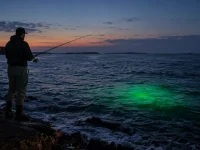
Today, underwater fishing lights are commonly used for boat fishing, dock fishing, pier fishing, kayak fishing, and other nighttime fishing activities. Their ability to attract baitfish and encourage natural fish activity helps anglers create more productive fishing opportunities after dark.
Boat Fishing
Boat fishing is one of the most common recreational applications for LED fishing lights. Many anglers suspend an underwater fishing light beside the boat after sunset, allowing a natural feeding zone to develop beneath the surface.
As plankton and baitfish gather around the illuminated area, larger game fish often move in to feed. Rather than attracting fish instantly, the light gradually builds biological activity, making the fishing area more productive over time.
Dock and Marina Fishing
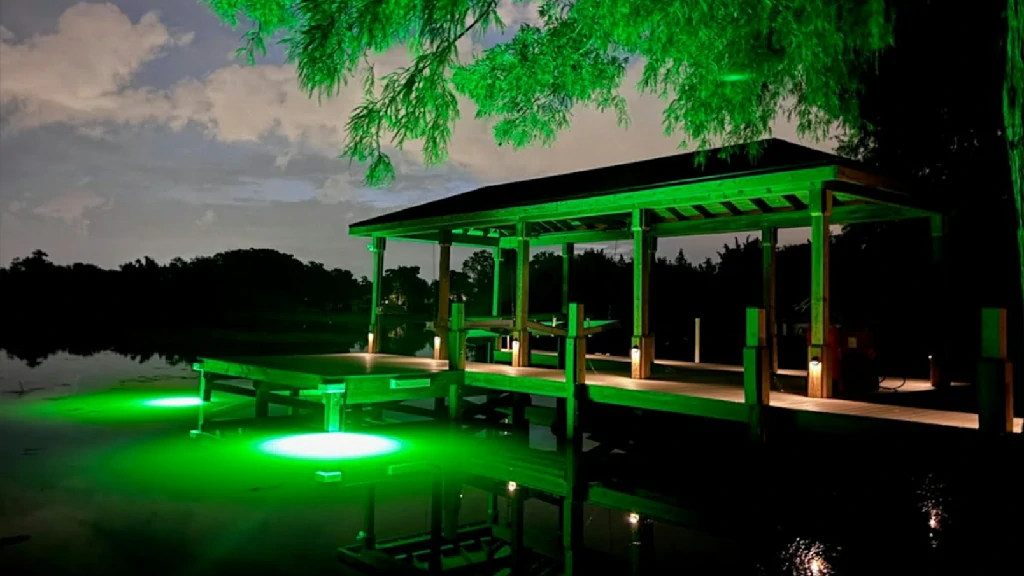
Dock fishing has become one of the fastest-growing uses for underwater fishing lights, especially in coastal communities. Homeowners, marina operators, and recreational anglers often install green fishing lights beneath docks to create a consistent fish-attracting area during the evening.
Because the light can remain in the same location night after night, marine life gradually becomes more active around the illuminated zone, providing excellent fishing opportunities throughout the season.
Pier and Shore Fishing
Portable LED fishing lights have made night fishing from piers and shorelines much more convenient. Compact underwater fishing lights powered by batteries or portable power stations can be deployed quickly without requiring permanent installation.
This flexibility allows anglers to use fish-attracting lights in a wide variety of fishing locations while keeping their equipment simple and easy to transport.
Kayak Fishing
Kayak fishing has grown rapidly in recent years, creating demand for lightweight and energy-efficient fishing lights. Low-voltage LED fishing lights are particularly well suited to kayaks because they consume little power while providing reliable fish-attracting performance.
Their compact size also makes installation and transportation much easier than traditional fishing lights.
Freshwater Fishing
Although underwater fishing lights are most commonly associated with saltwater fishing, they can also be used successfully in many freshwater environments. Lakes, reservoirs, and slow-moving rivers often support plankton and baitfish populations that respond to artificial light under suitable conditions.
However, fishing results vary depending on water clarity, local fish species, seasonal patterns, and fishing regulations. Understanding the local environment is always more important than relying on the fishing light alone.
Professional Tip
One common mistake among beginners is expecting immediate results after switching on a fishing light. In reality, fish-attracting lights work by encouraging a natural feeding process, which takes time to develop. Allowing the light to remain underwater before actively fishing often produces better and more consistent results.
Aquaculture Applications
Although LED fishing lights are best known for attracting fish in commercial and recreational fisheries, their applications have gradually expanded into aquaculture. In modern fish farming, LED lighting is increasingly used to support production management, improve the farming environment, and help regulate light conditions for certain aquatic species.
Unlike commercial fishing, where the primary goal is to attract fish, aquaculture uses LED lighting as a management tool. Factors such as light spectrum, photoperiod, and light distribution are often carefully adjusted according to the species being cultured and the farming objectives.
Supporting Fish Farming
In many aquaculture systems, artificial lighting is used to simulate natural daylight cycles or extend the available light period. Proper lighting management can help farmers maintain stable farming conditions and improve production consistency for certain species.
Research continues to explore how different light spectra influence fish behavior, feeding activity, and overall farming performance. However, the response varies significantly between species, making it important to select lighting strategies based on scientific evidence rather than applying the same solution to every fish farm.
Green LED Lighting in Aquaculture
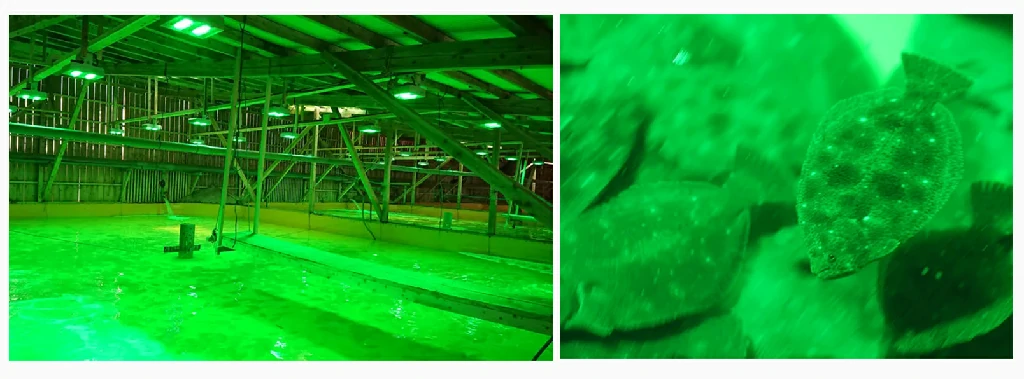
Green LED lighting has received increasing attention in aquaculture research over recent years. Several studies have investigated how green light may influence the growth performance and farming management of specific fish species under controlled conditions.
For example, the Global Seafood Alliance reported promising results from studies involving green LED lighting in flounder farming, suggesting that carefully managed lighting may provide practical benefits for aquaculture operations. Similarly, The Asahi Shimbun highlighted research in Japan indicating that green LED lighting may help improve the growth of cultured flounder under certain farming conditions.
These findings demonstrate the growing potential of LED technology in aquaculture, although results still depend on species, farming systems, and lighting management practices.
A Growing Area of Research
As aquaculture continues to adopt more advanced technologies, LED lighting is becoming an increasingly important part of modern farming systems. Researchers are exploring how different light spectra can improve production efficiency while supporting better animal welfare and more sustainable farming practices.
Although fish-attracting lights and aquaculture lighting are designed for different purposes, both demonstrate how LED technology is creating new opportunities across the marine industry.
Marine Research and Conservation
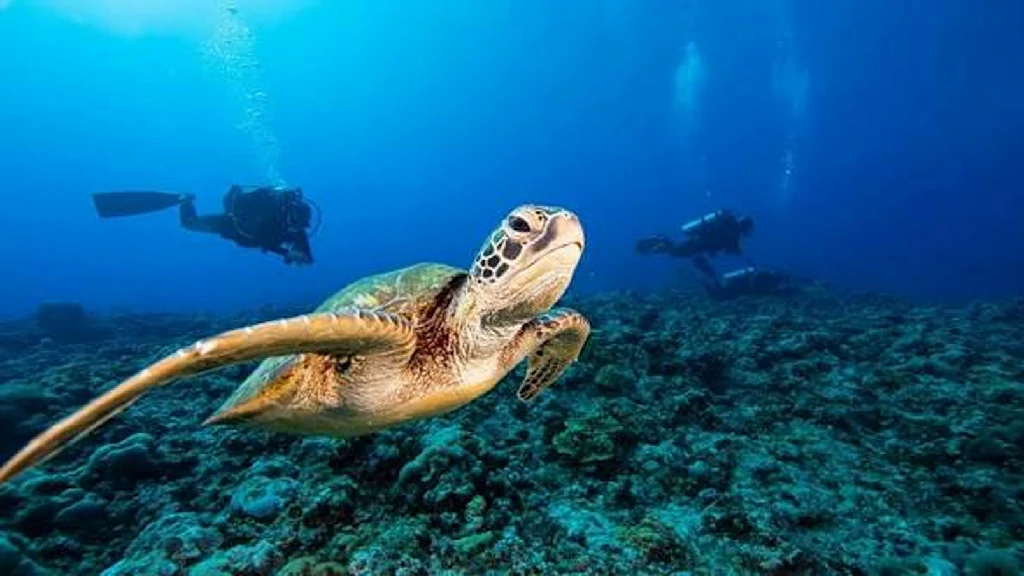
Although LED fishing lights are primarily developed for commercial fishing and aquaculture, similar underwater lighting systems are increasingly being used in marine research and conservation projects. Scientists and environmental organizations use these systems to observe marine life, monitor underwater ecosystems, and collect long-term scientific data in environments where natural light is limited.
Observing Marine Life
Researchers often need to observe the natural behavior of fish and other aquatic animals without causing unnecessary disturbance. Carefully configured underwater LED systems provide stable illumination for cameras and monitoring equipment, allowing scientists to record fish behavior, feeding activity, schooling patterns, and habitat use over extended periods.
Reliable underwater lighting also reduces dependence on daylight conditions, making continuous observation possible during both day and night.
Supporting Marine Conservation
Healthy marine ecosystems are essential for sustainable fisheries. In some ecological monitoring programs, underwater LED systems are used to support long-term observation of fish populations, habitat changes, and ecosystem health.
The objective is not to attract fish for harvesting, but to improve scientific understanding of marine ecosystems and provide reliable data for conservation planning and fisheries management. As sustainable fishing becomes increasingly important worldwide, underwater LED technology is playing a growing role beyond commercial fishing alone.
Key Factors to Consider for Different LED Fishing Light Applications
Different applications require different lighting strategies. Instead of focusing only on wattage, professionals usually evaluate several factors before selecting an LED fishing light.
| Application | What Matters Most |
|---|---|
| Commercial Fishing | Target species, fishing method, light color, installation position |
| Recreational Fishing | Portability, power source, ease of deployment |
| Aquaculture | Spectrum, photoperiod, light distribution, animal welfare |
| Marine Research | Adjustable spectrum, controllability, data consistency |
The Future of LED Fishing Light Applications
LED fishing light technology continues to evolve as the fishing industry adopts more efficient and sustainable solutions. Modern systems are no longer designed simply to produce more light. Instead, manufacturers are focusing on improving light quality, optimizing fish-attracting performance, reducing energy consumption, and extending product lifespan.
At the same time, advances in LED chip technology, optical design, and intelligent control systems are giving fishing operators more flexibility than ever before. Different light colors, beam angles, and installation methods can now be selected to suit specific fishing environments and target species.
Looking ahead, LED fishing lights are expected to play an even greater role across commercial fishing, recreational angling, aquaculture, and marine science. As research continues to improve our understanding of how aquatic species respond to different wavelengths of light, future fish-attracting systems are likely to become more precise, energy-efficient, and environmentally responsible.
Conclusion
LED fishing lights have evolved far beyond their traditional role in commercial fishing. Today, they are widely used in recreational fishing, aquaculture, marine research, and conservation projects, demonstrating the versatility of modern LED technology across the marine industry.
Whether the goal is to attract fish more efficiently, support scientific research, or improve farming management, the right LED lighting solution should always be selected according to the specific application rather than focusing on brightness or wattage alone.
As LED technology continues to advance, its applications will continue to expand, helping create more efficient, sustainable, and scientifically informed marine operations in the years ahead.
Frequently Asked Questions (FAQ)
LED fishing lights are used to attract fish by creating a natural underwater feeding zone. They are commonly used in commercial fishing, recreational fishing, dock fishing, and other nighttime fishing activities where attracting baitfish can help increase fish activity around the fishing area.
No. Although commercial fishing is one of the largest applications, LED fishing lights are also widely used by recreational anglers on boats, docks, piers, kayaks, and shorelines.
There is no single color that is best for every situation. Green fishing lights are often considered the most versatile option because they provide a good balance of underwater visibility and fish-attracting performance. Blue, white, and red fishing lights may be preferred for specific fishing methods and target species.
Yes. LED fishing lights can be used in lakes, reservoirs, and slow-moving rivers where plankton and baitfish respond to artificial light. However, results depend on water clarity, fish species, season, and local fishing conditions.
Yes. In aquaculture, LED lighting is increasingly used to help manage photoperiod, improve light distribution, and support farming management for certain aquatic species. The purpose is usually farming management rather than fish attraction.
Green fishing lights are popular because they perform well in many real-world fishing environments. They help create a natural feeding zone by attracting plankton and baitfish, and they provide a practical balance between underwater visibility and fish-attracting performance.
Underwater fishing lights are used in commercial fishing, recreational fishing, aquaculture, marine research, and some marine conservation projects. Their applications continue to expand as LED technology becomes more efficient and versatile.