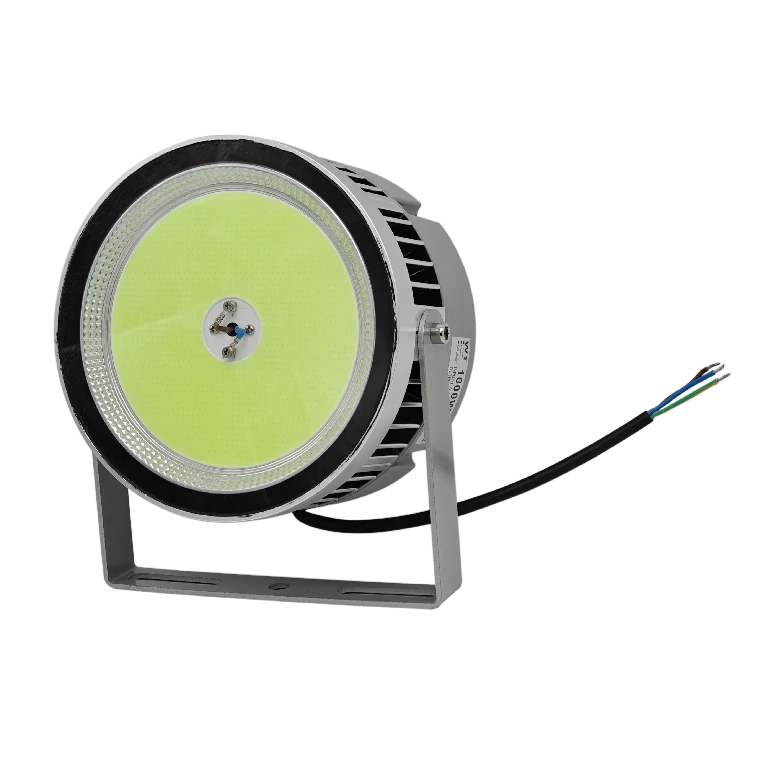
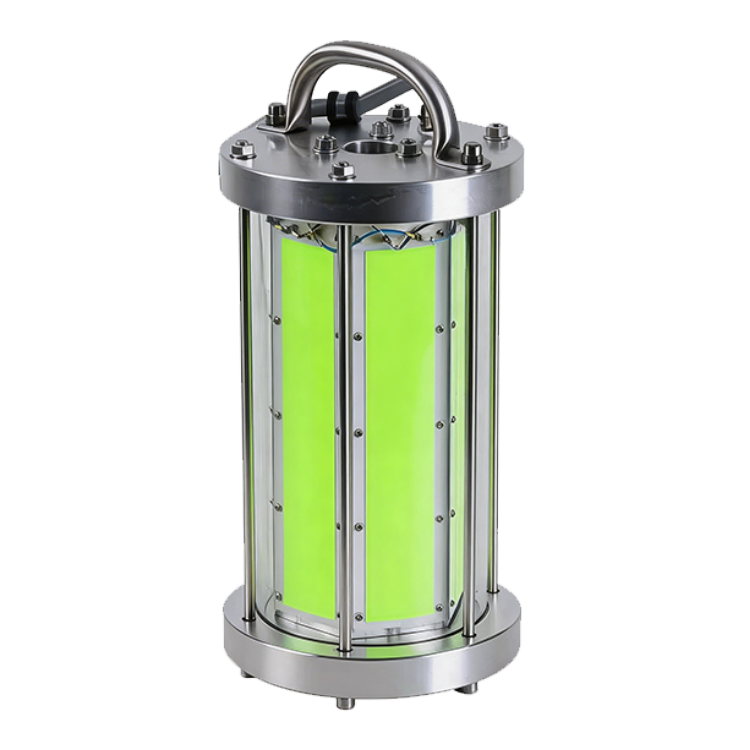
-1-1024x1024.webp)
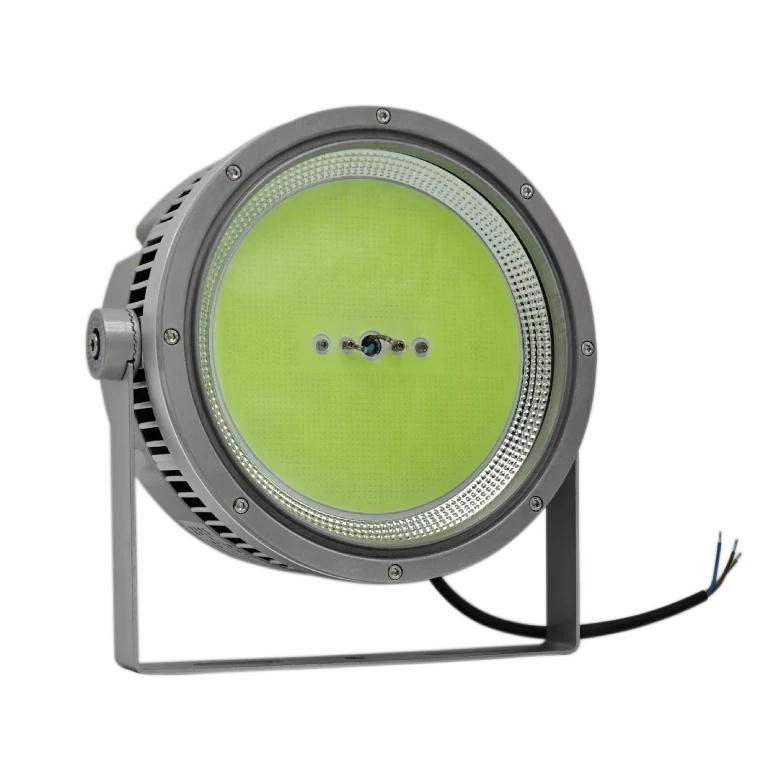
Introduction: Understanding How Green Fishing Lights Really Work
Many anglers believe that a fishing light works by simply turning it on and waiting for fish to appear. However, experienced fishermen understand that successful night fishing with LED fishing lights is not about creating a bright underwater area. The real purpose of a green fishing light is to influence the natural feeding system underwater and create a gathering zone where aquatic life becomes more active.
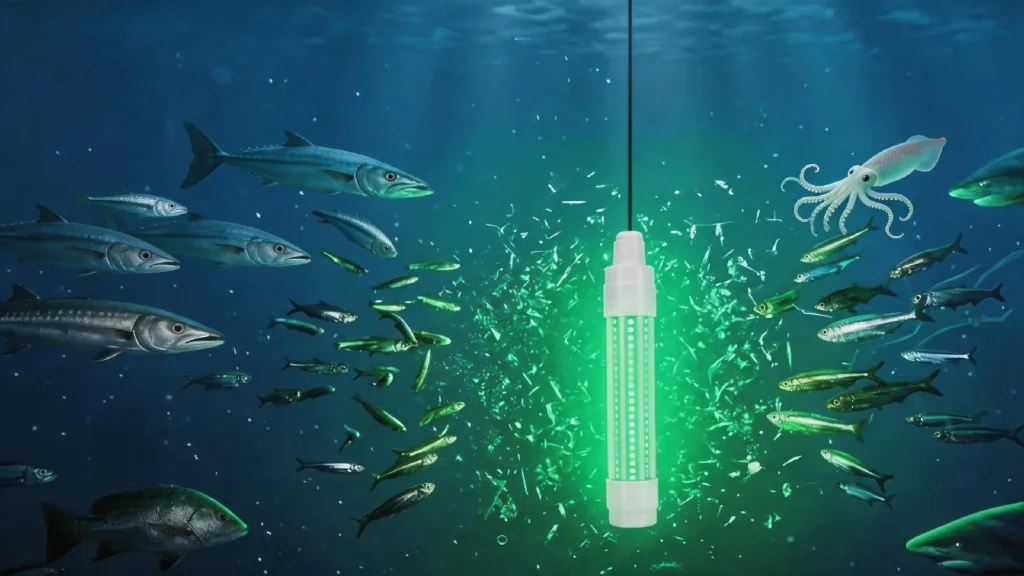
A green LED fishing light does not directly attract large fish immediately after it is switched on. The process usually starts with microscopic organisms such as plankton. As these small organisms gather around the illuminated area, baitfish are attracted because they follow their food source. When small fish become active, larger predatory fish may approach the area looking for an opportunity to feed.
This natural food-chain process is the reason why professional anglers usually prepare their fishing lights before the best fishing period begins. Instead of waiting until midnight and turning on the light, many fishermen prefer to install their green fishing light around sunset and allow enough time for the underwater environment to develop.
For this reason, patience is one of the most important factors when using fishing lights at night. A good LED fishing light creates conditions for fish activity, but it needs time to work together with the natural behavior of aquatic organisms.
Why Are Fish Attracted to Green Fishing Lights?
Green light is one of the most popular choices in night fishing because it provides a good balance between underwater visibility, light penetration, and biological attraction. Compared with many other wavelengths, green light can travel efficiently through water and create a visible underwater light field.
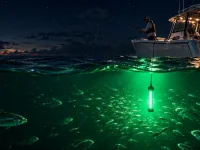
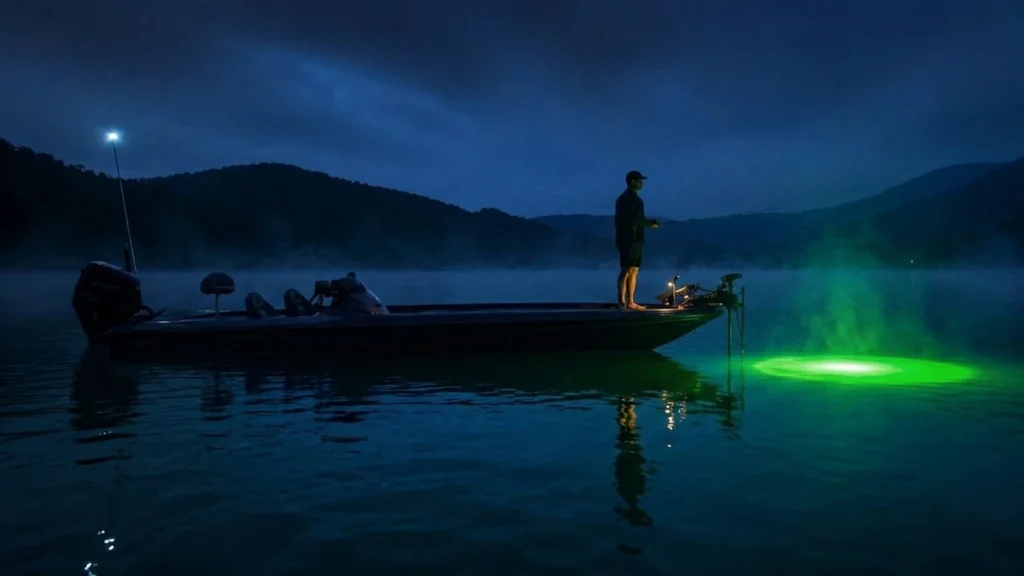
When a green fishing light is placed in the water, it creates an artificial illuminated area that changes the surrounding environment. Small organisms that respond to light conditions may gather around this area, creating a feeding opportunity for small fish and eventually attracting larger predators.
This is why many anglers search for terms such as “does green light attract fish” or “why are fish attracted to green light”. The answer is not that green light acts like a magnet for fish, but that it helps create a more active underwater ecosystem.
Different fish species respond differently depending on their vision, habitat, water clarity, and feeding behavior. Therefore, green LED fishing lights should be considered as a tool to improve fishing conditions rather than a guaranteed method to catch fish.
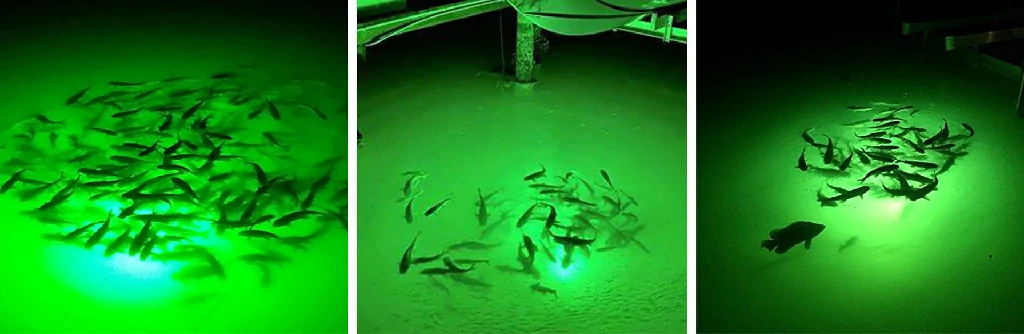
Choosing the Right Position for a Green Fishing Light
The position of a fishing light can strongly influence its performance. Many beginners place the light too close to the boat or directly at the surface, which limits the effective underwater attraction area.
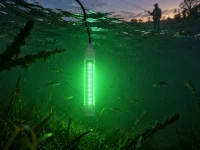
For most recreational fishing situations, placing an underwater green fishing light around 2 feet (about 60 cm) below the water surface is a practical starting point. This allows the light to spread through the water while keeping it easy to control and retrieve.
However, there is no single perfect depth for every fishing environment. Water depth, target species, and fishing method all affect where the light should be placed.
Some fish stay close to the illuminated area, while others prefer to remain at the edge of the light zone and attack prey from darker water. Experienced anglers often experiment with different depths and distances until they find the most effective position.
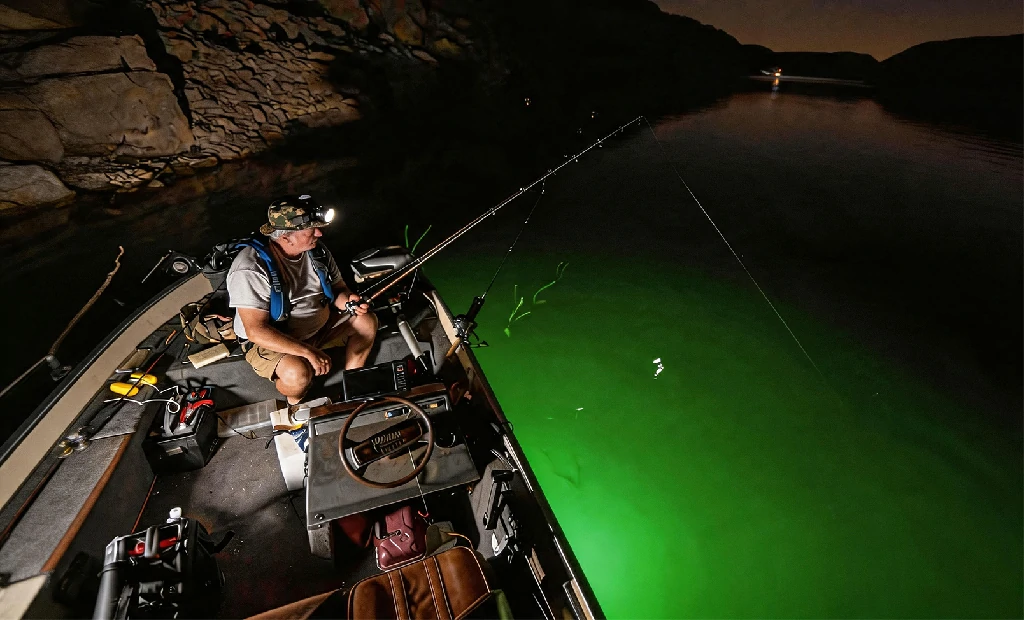
How to Use Green LED Fishing Lights Step by Step
Using a green LED fishing light effectively requires more than simply turning it on. Many beginners expect fish to appear immediately after the light is switched on, but experienced anglers understand that a successful night fishing setup requires preparation, patience, and the right conditions.
A fishing light works by gradually changing the underwater environment. Green light first attracts plankton and small organisms, then baitfish may gather because of increased food availability. When the number of small fish increases, larger predatory fish may approach the area.
For this reason, experienced anglers usually prepare their green fishing light before the main fishing period begins. Setting up the light around sunset gives enough time for the underwater food chain to develop naturally.
Turning on a green fishing light does not mean fish will immediately gather. The attraction process depends on water conditions, target species, current, temperature, and how long the light has been operating.
Battery Preparation and Runtime Calculation Before Fishing
For anglers using a battery powered green fishing light, battery preparation is one of the most important steps before leaving home. A fishing trip can be affected if the light stops working during the period when fish activity is increasing.
Before night fishing, always fully charge the battery and estimate the expected runtime. A fishing light battery runtime calculator can help anglers understand how long their equipment can operate under different battery conditions.
For example:
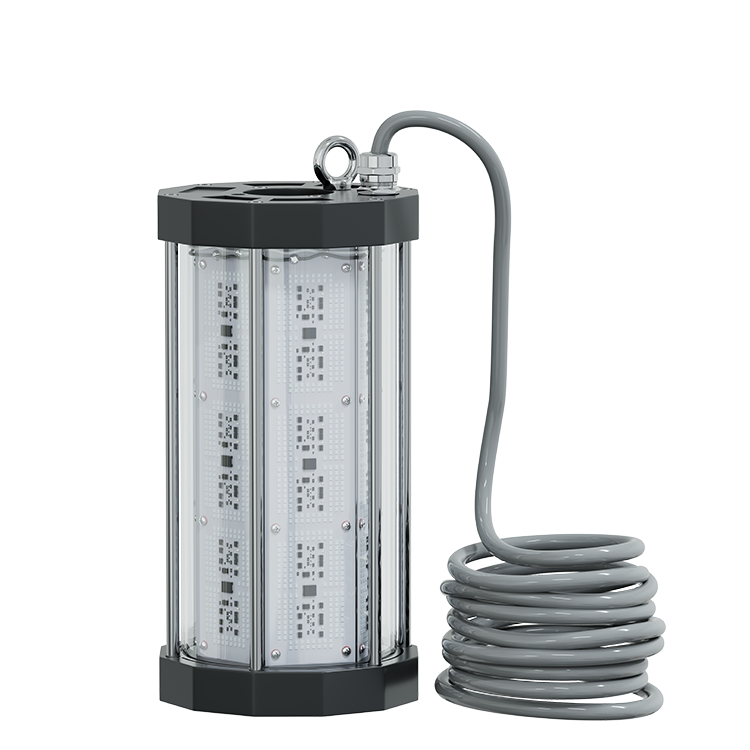
Lurebeam F-UA01 24V 300W Underwater Fishing Light
Battery:
24V 180Ah
Battery energy:
24V × 180Ah = 4320Wh
Theoretical runtime:
4320Wh ÷ 300W ≈ 14.4 hours
Considering battery efficiency and real fishing conditions, the practical runtime is usually around 12–13 hours.

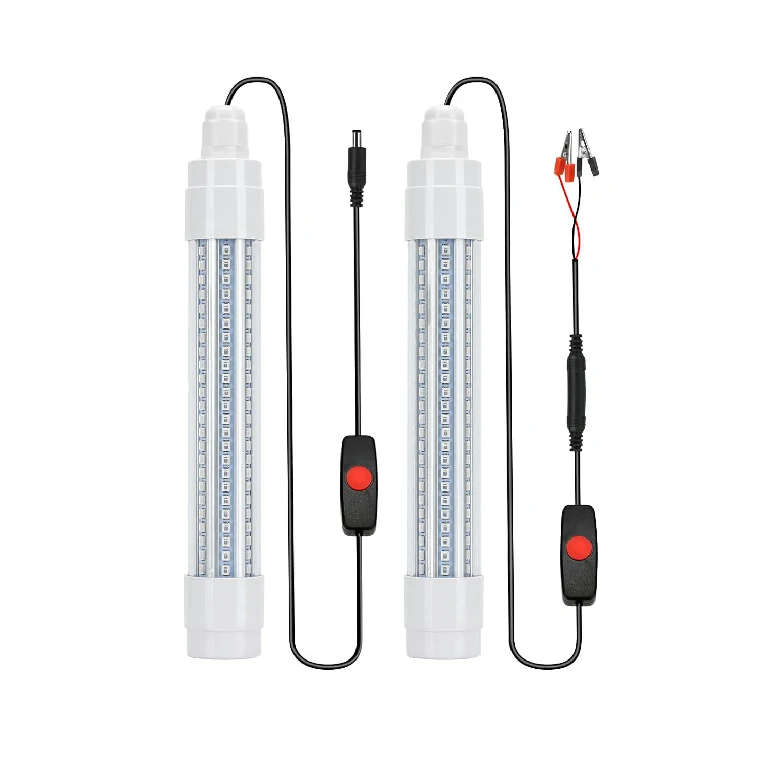
Lurebeam F-UD01 16W Green Fishing Light
Battery:
12V 20Ah
Battery energy:
12V × 20Ah = 240Wh
Theoretical runtime:
240Wh ÷ 16W = 15 hours
Under real fishing conditions, the practical runtime may be around 12–14 hours depending on battery quality and temperature.
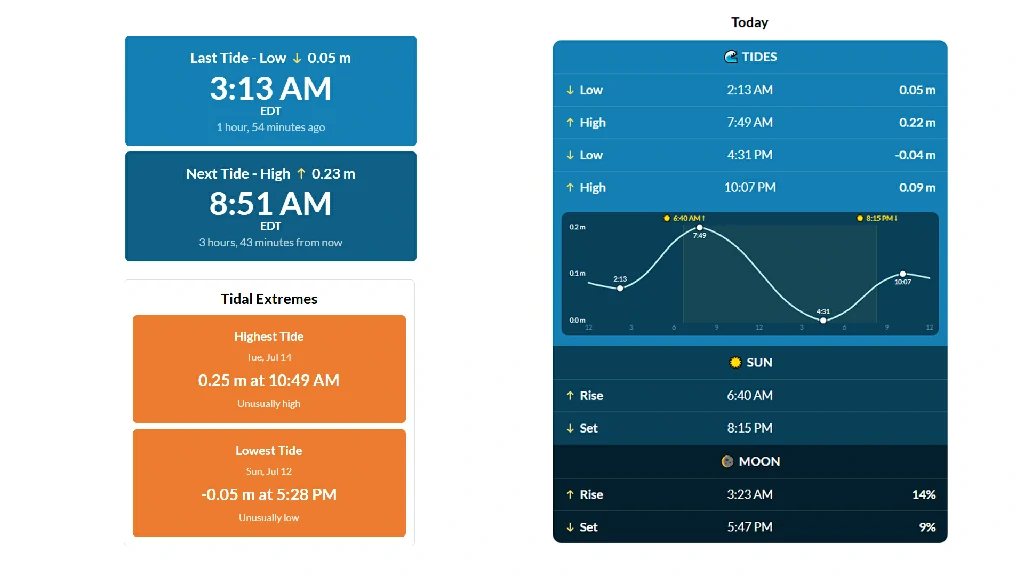
Check Tide Conditions and Fishing Time Before Going Out
A green fishing light can improve the underwater attraction environment, but choosing the right fishing time is equally important. Tides and water movement influence fish activity, feeding behavior, and the distribution of marine organisms.
Many experienced saltwater anglers check tide information before planning a fishing trip. In particular, tide changes are often considered an important period for squid fishing. In many coastal fishing areas, the one-hour period before and after a tide change is often regarded as a productive time when squid activity may increase.
However, tide timing is not the only factor that determines fishing success. Water temperature, weather, current speed, and local squid behavior should also be considered.
Before fishing, anglers can use online tide tools such as Tides Near Me to check local high tide, low tide, and tide changes.
Common Mistakes When Using Green Fishing Lights
Although green LED fishing lights are simple to operate, many beginners make mistakes that reduce their effectiveness. Understanding these common problems can help anglers create a better fishing environment and improve their chances during night fishing.
Mistake 1: Expecting Fish to Appear Immediately After Turning on the Light
One of the most common misunderstandings is expecting a green fishing light to attract fish instantly. In reality, the light usually needs time to influence the underwater ecosystem.
The attraction process often follows a natural sequence:
Plankton gather around the light.
↓
Small baitfish arrive to feed.
↓
Predatory fish follow the baitfish.
For this reason, experienced anglers usually set up their fishing lights before peak fishing time instead of waiting until fish activity has already started.
Patience is an important part of fishing with green LED fishing lights. The light creates an opportunity, but natural feeding behavior still takes time to develop.
Mistake 2: Choosing the Brightest Light Instead of the Right Light
Many anglers believe that higher brightness always means better fishing results. However, a brighter light does not always create a better attraction area.
The effectiveness of a green fishing light depends on several factors:
- Light wavelength
- Light distribution
- Water depth
- Water clarity
- Target fish species
A small boat, kayak, dock, and offshore fishing vessel may require completely different lighting solutions. The goal is not to produce the strongest light, but to create the most suitable underwater environment.
Mistake 3: Placing the Light Too Close to the Fishing Line
Another common mistake is placing the fishing light directly next to the bait or fishing line. Although some fish may approach the light, many predatory species prefer to attack from darker areas.
The edge of the illuminated zone is often an important area because fish can use the contrast between light and darkness to hunt more effectively.
Experienced anglers often place their bait near the transition area between light and shadow rather than directly under the brightest part of the lamp.
Weather Conditions and Water Environment Matter
A green underwater fishing light works best when the surrounding conditions allow light to travel through the water effectively. Weather and water conditions can greatly influence the final result.
Clear Water vs Murky Water
In clear water, green light can spread farther and create a larger attraction area. In muddy or heavily polluted water, suspended particles may reduce light penetration and limit the effective range.
Wind and Waves
Strong wind and waves can disturb fish behavior and make fishing conditions more difficult. Rough water can also reduce the stability of the light position and affect the underwater light pattern.
Checking weather conditions before night fishing is an important preparation step.
Cleaning and Maintaining Your Green LED Fishing Light
Saltwater is one of the biggest challenges for fishing equipment. Salt deposits can gradually damage cables, connectors, rubber seals, and metal components if the equipment is not properly maintained.
After every saltwater fishing trip, rinse the green fishing light with clean freshwater. Remove salt residue and allow the equipment to dry completely before storage.
Regular maintenance helps extend the service life of waterproof fishing lights and keeps the equipment performing reliably.
FAQ About Green Fishing Lights
Yes, green light can help attract fish by creating an underwater feeding environment. However, it does not directly pull fish toward the light. The attraction process usually happens through plankton, baitfish, and predator relationships.
Green fishing lights are popular because green wavelengths perform well underwater and can create a visible attraction zone. They are widely used for boat fishing, dock fishing, and night fishing.
There is no fixed time because conditions vary. Water temperature, species, current, and location all influence the process. Many anglers prefer to turn on the light before sunset and allow time for the underwater food chain to develop.
A common starting point for recreational fishing is around 2 feet (about 60 cm) below the surface. However, the ideal depth depends on water conditions and target species.
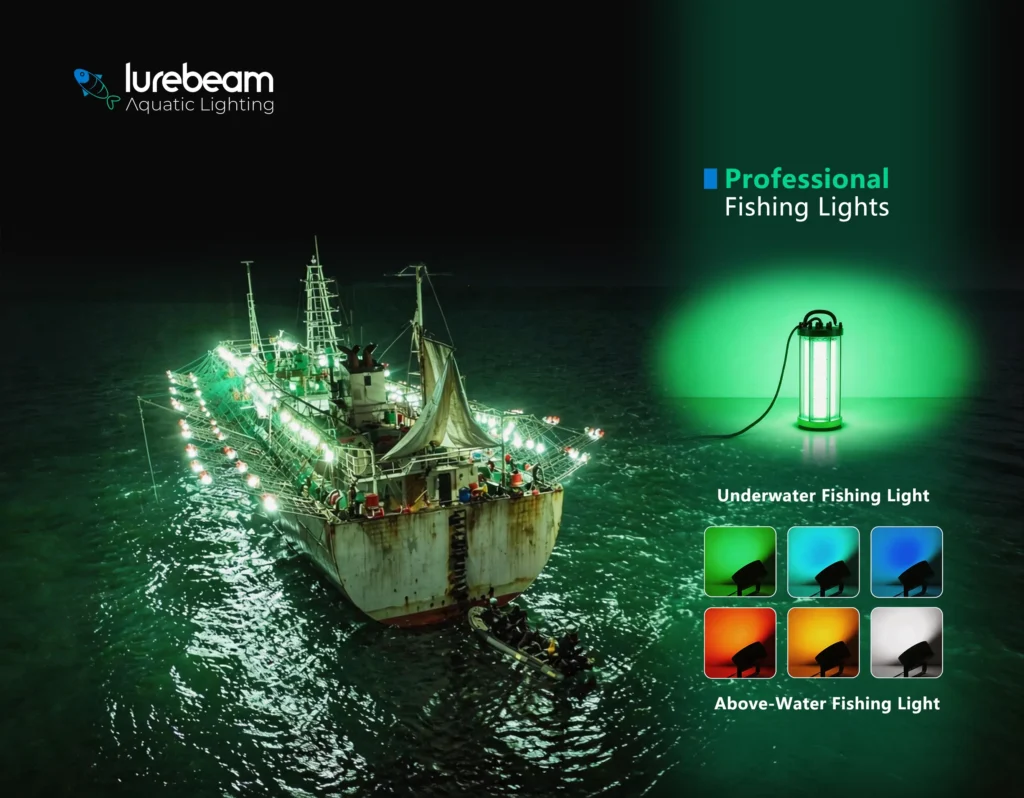
They serve different purposes. Underwater green fishing lights place the light directly into the water, while above-water lights create a wider surface attraction area. The better choice depends on the fishing situation.
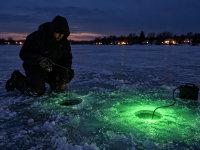
Yes, green fishing lights are sometimes used for ice fishing because they can attract small organisms and baitfish under the ice. However, local fish species and regulations should always be considered.
Runtime depends on light power and battery capacity. Before fishing, anglers should calculate battery runtime and prepare enough power for the entire fishing session.
Conclusion: Use Green Fishing Lights as a Fishing Tool, Not a Magic Solution
A green fishing light is not a magic device that instantly brings fish to your boat. Its real value is creating a suitable underwater environment where natural feeding activity can develop.
The best results come from combining the right light, correct placement, sufficient operating time, suitable fishing conditions, and proper fishing techniques.
When used correctly, green LED fishing lights can become a powerful tool for night fishing, boat fishing, dock fishing, and underwater fishing applications.