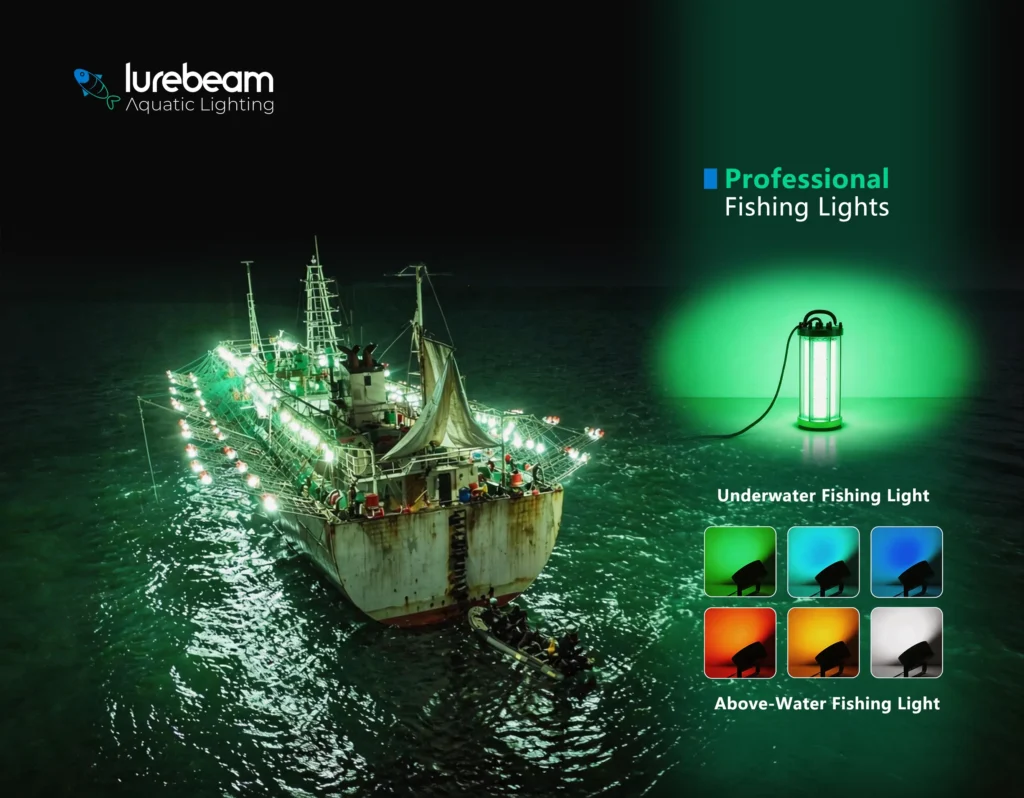
-1-1024x1024.webp)
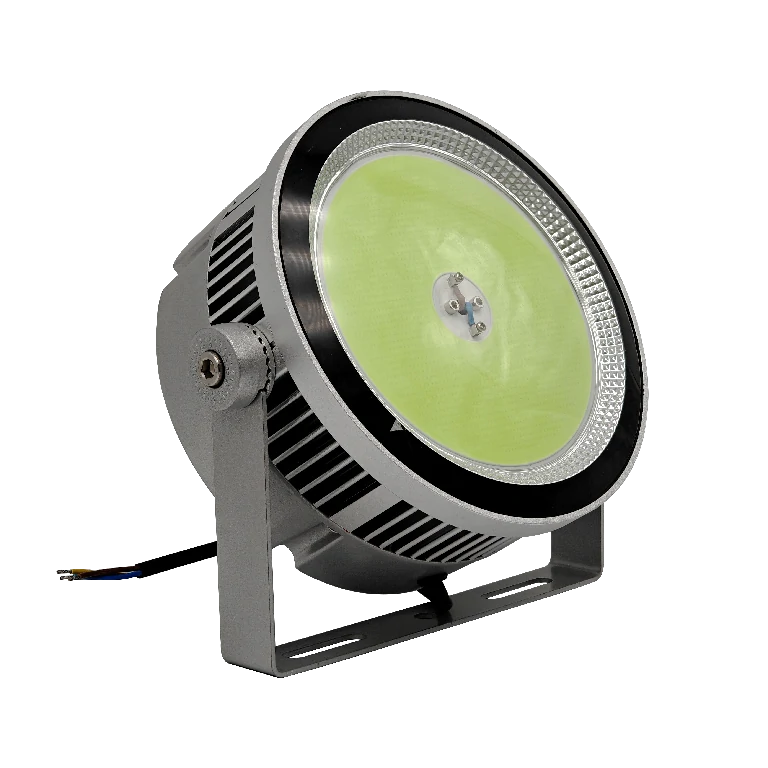
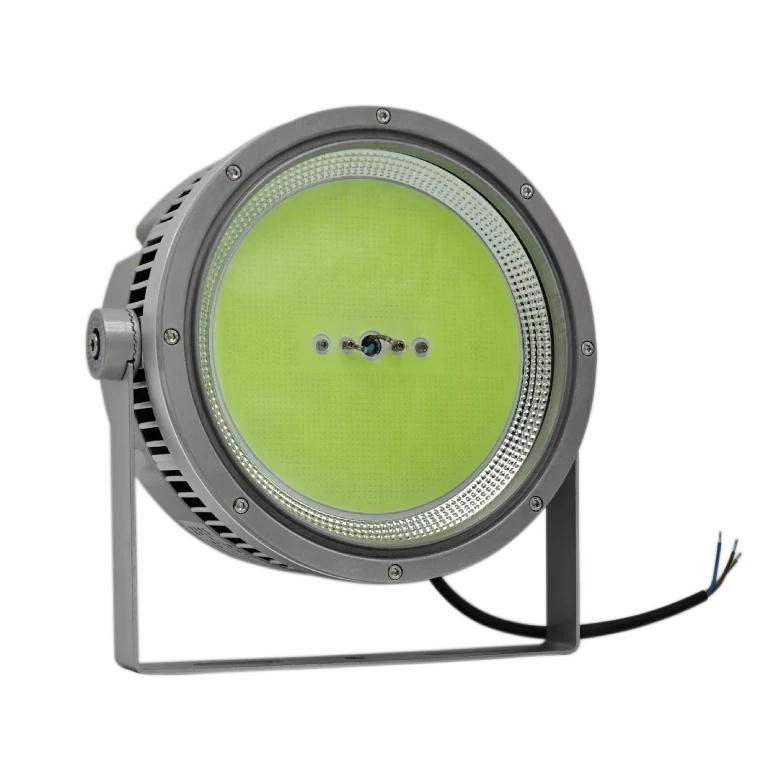
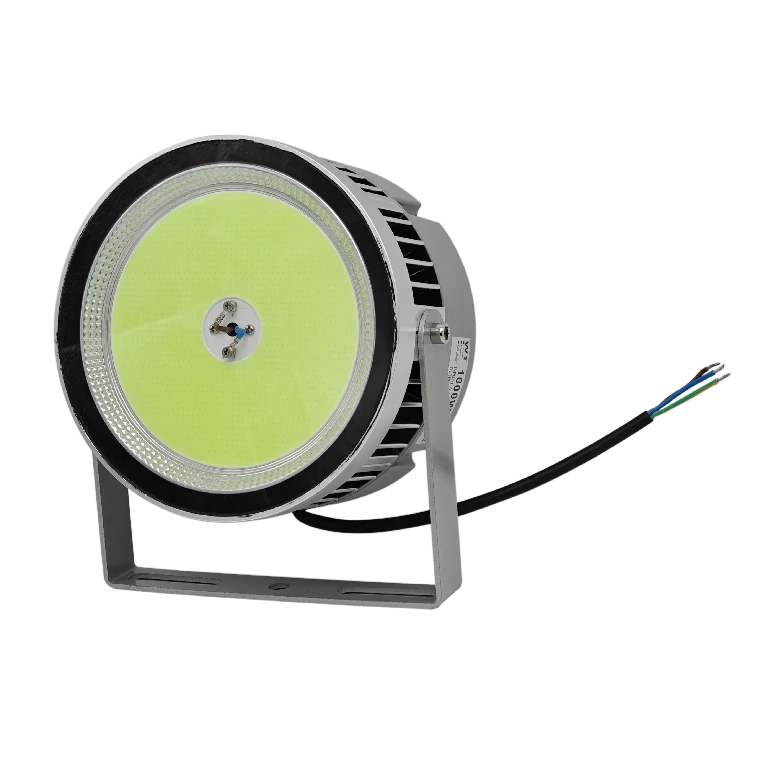
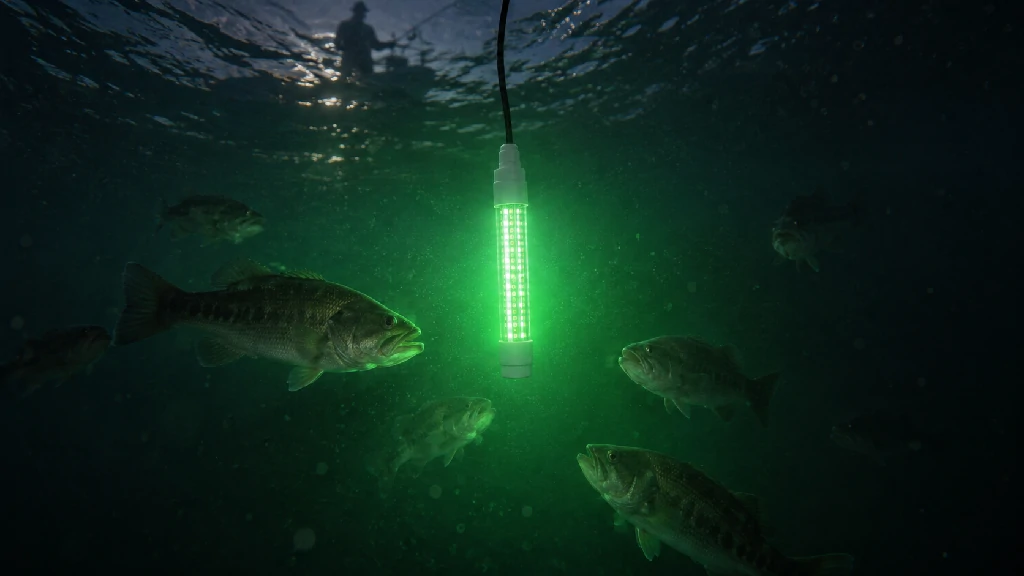
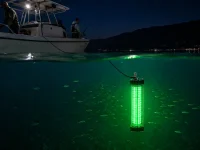
Yes—but usually not because green light acts as a direct bass magnet. When night fishing for bass, a green fishing light can improve your opportunity when it concentrates forage at a place largemouth bass already use and creates contrast for visual feeding. The same light can also gather baitfish without producing a bass bite. Controlled research has even recorded largemouth bass moving away from coloured LEDs, so “bass can see green” does not mean “green automatically attracts bass.”
Ask whether the light has created a prey-rich boundary connected to cover, depth or a travel route. If it has, fish that boundary. If it has only produced relaxed baitfish in otherwise empty water, more brightness is unlikely to help.
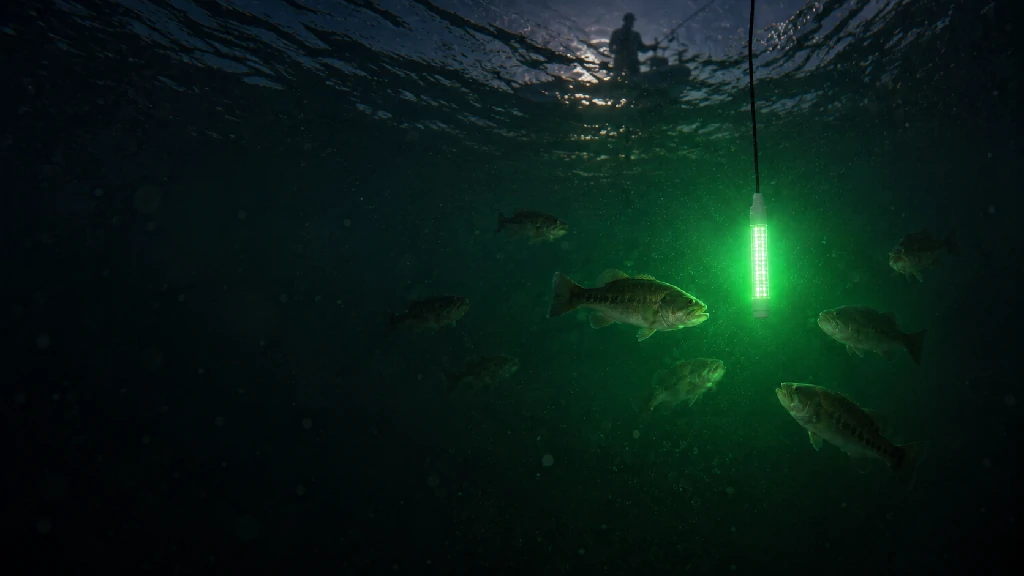
What the Science Actually Shows
Largemouth Bass Can Detect Green Light
A peer-reviewed study of largemouth bass vision measured peak sensitivity at about 528 nanometres in largemouth bass rods and 535 nanometres in green-sensitive single cones. The authors concluded that largemouth bass have dichromatic colour vision and can use colour cues.
Green therefore falls within a range largemouth bass can detect well. It does not prove that green is their preferred colour, that they will swim toward it or that a green lamp increases catch rate. Visual sensitivity describes what the eye registers; attraction is a behavioural response.
Visible Does Not Mean Attractive
In a controlled fish-guidance experiment, researchers exposed largemouth bass to 16 combinations of red, orange, yellow and green LEDs at different pulse rates. Compared with a no-light control, the fish were repelled regardless of colour or pulse rate.
The experiment did not test angling or catch rates, so it cannot show that green always repels bass in a lake. It does rule out the simplistic claim that a visible green source must attract them. Intensity, geometry, background darkness and prey all change the situation.
Light Can Create a Better Feeding Opportunity
Largemouth bass are visual predators, but they do not need daylight to feed. In a laboratory study of light intensity and foraging success, bass captured prey more than 95% of the time from low daylight down to simulated moonlight. Success fell to 62% at simulated starlight and approached zero in total darkness. Water clarity also changed the depth of effective feeding.
In very dark water, a fish light may therefore create an area where bass can locate prey more effectively. A California field study archived by NOAA also found more large predatory fish near artificial light late at night, together with higher predation risk. Largemouth bass were among the potential predators in that ecosystem, but the sonar did not identify individual fish by species. The study also used shoreline floodlights rather than green underwater fishing lights. It supports the idea of a lit predator–prey contact point, not a catch promise.
When a Green Fishing Light Is Most Likely to Help
A useful lighted feeding station has three ingredients. First, forage must already have a reason to pass. Dock pilings, vegetation edges, creek-channel turns, brush, riprap and points can connect prey with bass habitat. A fish light over featureless water may collect baitfish yet remain too far from a bass holding area.
Second, the light needs a boundary. Bass need not occupy the brightest centre. A light-to-dark edge lets a predator approach from reduced visibility and intercept prey entering or leaving. The useful target may be beside or below the baitfish, not inside the school.
Third, keep the pattern stable long enough to evaluate. Raising the lamp, changing intensity or moving the boat changes both the light field and bait position. Observe where bait enters, holds, compresses or separates.
Where to Cast Once Baitfish Gather
Do not automatically cast at the lamp. Start with the route a bass could use without crossing the brightest water.
As a practical starting pattern—not a biological rule—cast parallel to the boundary, beginning about 1–3 metres (3–10 feet) outside it. Then retrieve across the edge in both directions. In current, test the down-current side where drifting prey may leave the light. Beside cover, prioritise the connection between cover and the light edge.
Match lure depth to the prey instead of assuming the surface is best. Work at or slightly below the lower edge of the school. If prey repeatedly parts, flashes or changes direction at one side, cast there before disturbing the centre. These signs suggest an interception lane; they do not prove a bass is present.
The lamp does not determine lure colour. Select size, depth and speed from the forage and bass response, changing one variable at a time.
Read the Baitfish Before You Change the Light
Use the following observations as a diagnostic sequence:
- No forage enters or holds near the light: The location may be outside a prey route, or water conditions may limit the useful light field. Move toward a structural edge or known forage route before simply adding power.
- Baitfish circle calmly in the bright centre: The lamp is affecting forage, but there is no clear evidence of active bass. Fish outside and below the school. If those zones produce no contact, change location rather than waiting indefinitely.
- The school repeatedly compresses, parts or exits through the same edge: A predator may be using that boundary. Cast parallel to the disturbance and through the escape route, while avoiding the lamp cable.
- A bass follows but refuses the lure: You have evidence of predator presence. Keep the light stable and adjust lure depth, size or speed one variable at a time.
- Action stops after the lamp is moved or brightened: Restore the previous setup and observe again. The change may have displaced the usable boundary, even if the lamp now looks more impressive above water.
Do not measure success by visible baitfish. Record bass strikes or catches per hour, where they occurred, lure depth and water clarity. Over several trips, this reveals whether the light improves that location. A large bait school without bass contact proves bait attraction, not bass attraction.
Situations Where the Light May Add Little
Green fishing lights are less likely to help when bass and forage use different areas, turbidity restricts visual range, or natural light already allows feeding. The feeding study showed that water clarity changed successful foraging depth and that bass fed efficiently under moonlight. A green lamp cannot compensate for an empty location, and its added value may be smaller on a bright night.
Published studies do not establish a universal lumen level or waiting time for catching bass with a green fishing light. Species, water clarity, depth, background light, habitat and prey behaviour all matter.
The Bottom Line
A green fishing light can help catch bass at night, mainly by concentrating forage and creating a usable feeding boundary. It is not merely a baitfish lamp, because bass can exploit that prey and contrast. It is not a guaranteed bass attractor, because seeing green does not require approach.
Place it beside real bass habitat, keep the field stable, and fish the dark edge, cover connection and depth below the bait before the bright centre. Judge it by bass contacts, not glowing baitfish.
Frequently Asked Questions
Does Green Light Directly Attract Largemouth Bass?
Current evidence does not justify a universal yes. Largemouth bass can detect green wavelengths, but a controlled LED experiment found avoidance rather than attraction. Under fishing conditions, bass may approach because the light creates prey concentration or a useful feeding boundary.
Does a Bass Fishing Lamp Need to Be Green?
No controlled catch-rate evidence identified for this article establishes green as universally superior to white for bass. Colour affects underwater visibility and animal responses, but intensity, water clarity, prey, placement and background light can be more important than the colour label alone.
Should I Cast Into the Brightest Part of the Light?
Not first. Begin along the light-to-dark boundary, the connection to nearby cover and the depth just below the baitfish. Cast into the centre only after the interception zones have been tested.
How Can I Tell Whether Bass Have Arrived?
Repeated baitfish compression, sudden parting, surface strikes or disturbances at one edge may indicate a predator. A strike, follow or catch is stronger evidence. Calm baitfish around the lamp prove only that baitfish are present.
Does This Advice Apply to Every Fish Called “Bass”?
No. The direct vision and behaviour studies discussed here concern largemouth bass. Smallmouth and spotted bass are related black bass, but Australian bass and European seabass are different species. Do not assume identical responses without species-specific evidence.



-1024x1024.webp)