-1024x1024.webp)
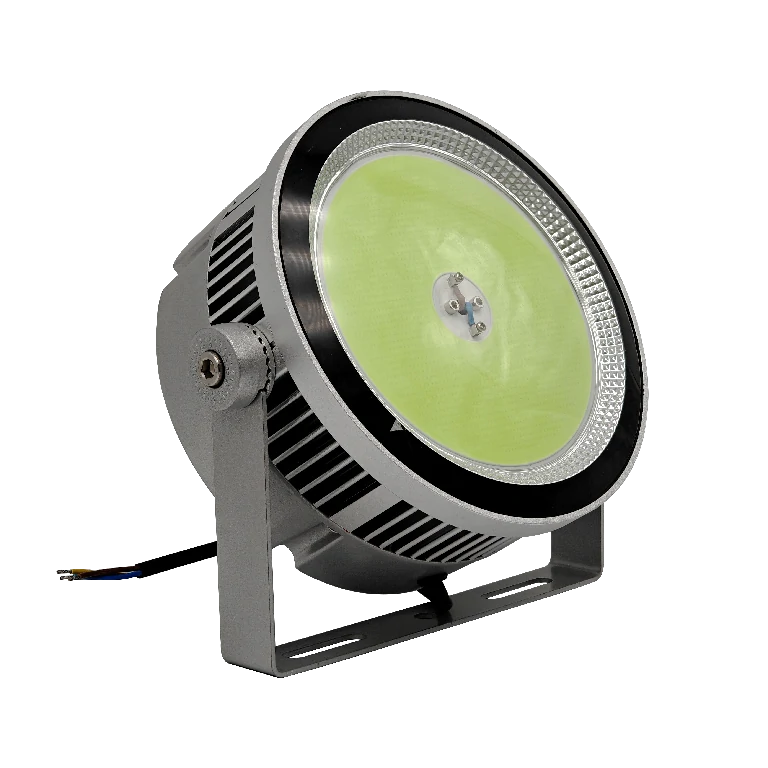
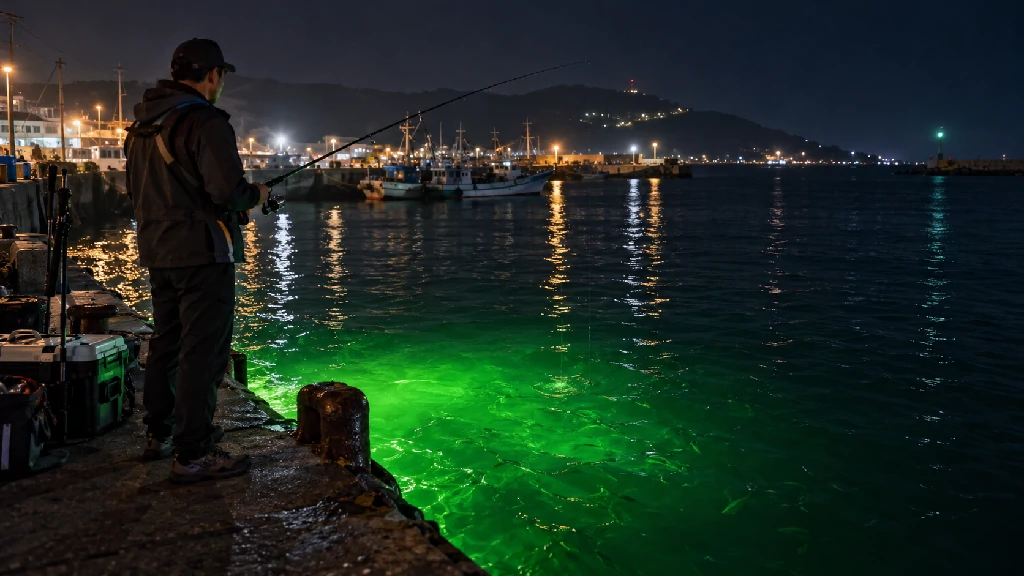
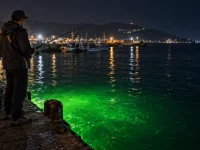
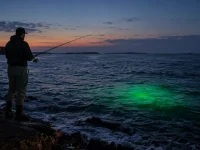
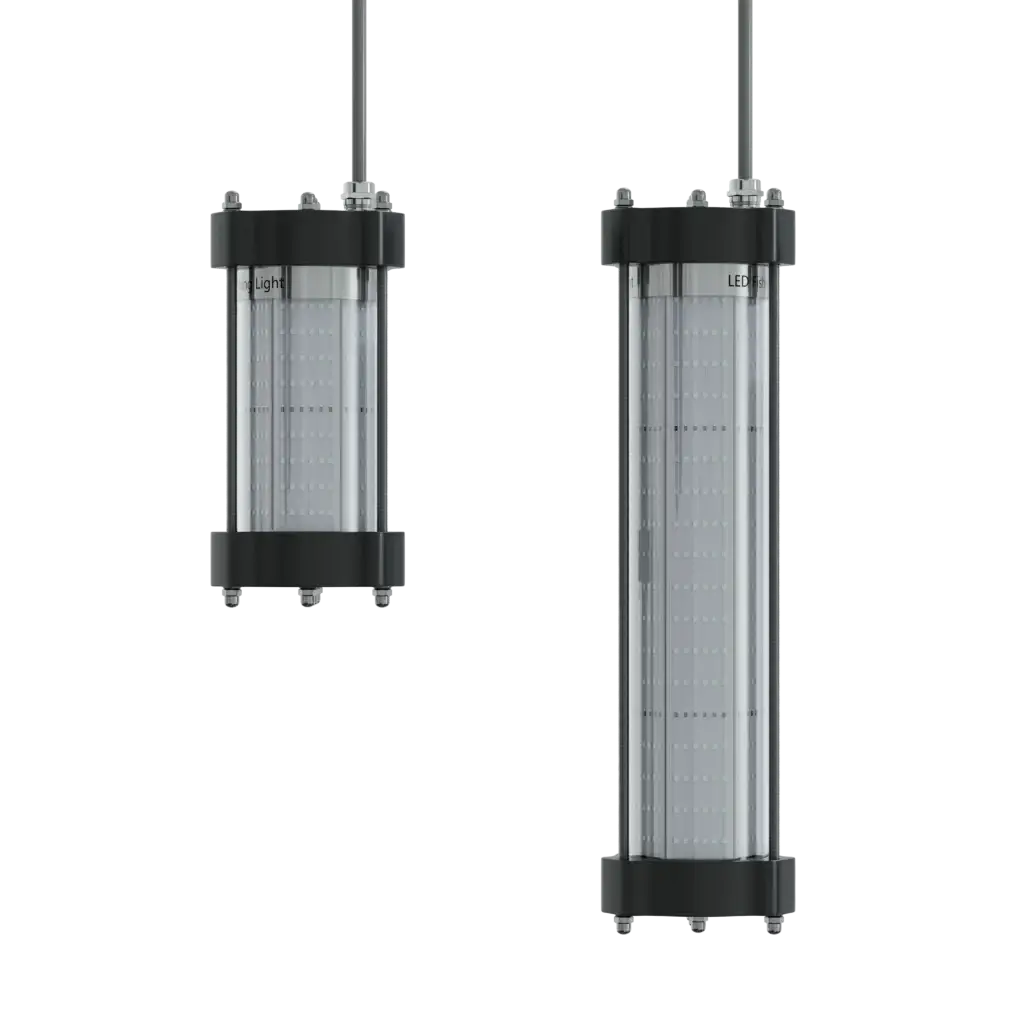
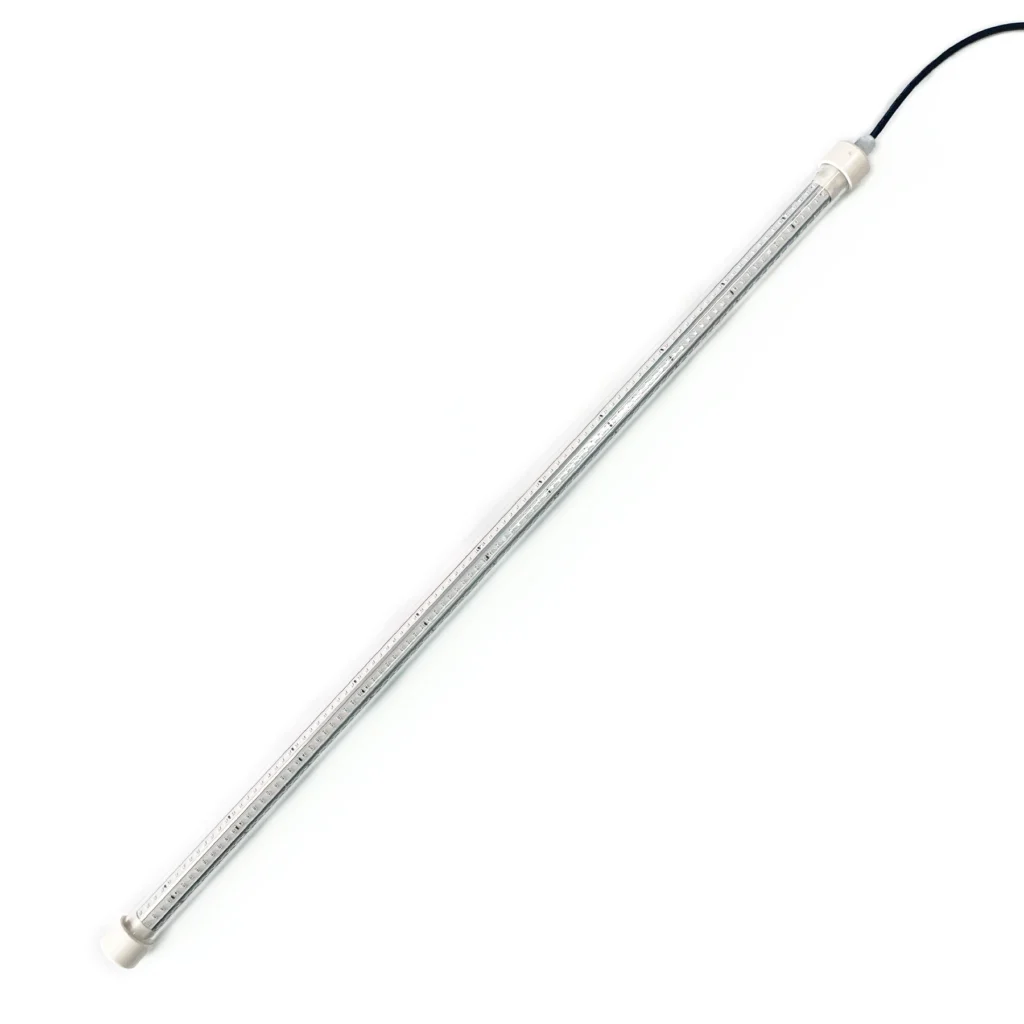
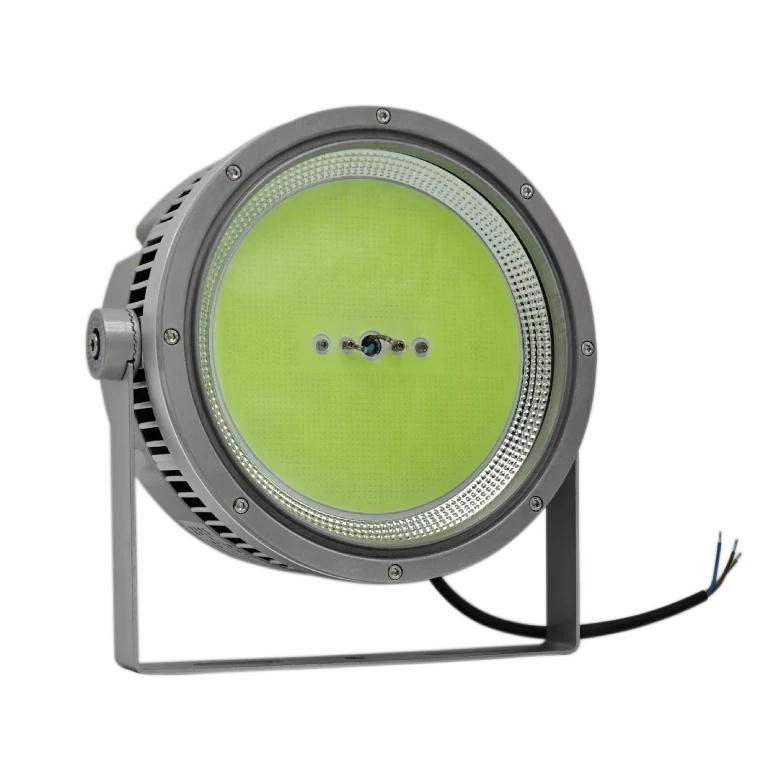
For most docks, start with an LED fish light beside the outermost piling on the open-water side. This position can combine water moving past structure, a visible light-dark boundary and a casting lane that does not cross the power cable. Keep the light far enough into clear water that the structure does not block most of its field.
Use the inside of a slip only when the berth will remain empty and you can fish vertically without crossing mooring lines, a lift or a propeller area. Move beyond the corner only when the light and cable remain outside boat routes, turning areas and swimming zones. These are starting rules, not universal performance claims.
The Three Positions at a Glance
| Position | Use it when | What it gives you | Reject it when |
|---|---|---|---|
| Beside the outer piling | Current passes the dock edge and the outer side is fishable | Structure, moving water and a reachable light boundary | The cable rubs the piling or crosses the retrieve path |
| Inside the slip | The berth is empty, inactive and has water exchange | A sheltered, stable position for vertical fishing | A boat, lift, propeller, mooring line or blocked light field is present |
| Beyond the corner | Open water is clear of vessel traffic and the corner gives a clean casting lane | The least obstructed light field and more room to fight a fish | The light enters a navigation, docking, turning or swimming area |
When comparing fish lights for dock use, the best position is not the brightest-looking patch of water. It is the safest fishable patch where the light field, local water movement and bait presentation overlap.
Why a Fixed Distance From the Dock Is the Wrong Answer
No sound rule places every fish light a fixed number of feet from a dock. Position depends on dock geometry, water level, current, boat movement, cable swing, bottom shape and the light’s beam pattern.
A NOAA-hosted peer-reviewed synthesis describes dock and pier lights as concentrated point sources that change prey visibility and predator concealment around shadow lines. This supports testing the transition; it does not prove every predator will occupy the dark side.
Check movement at lamp depth; surface foam may follow wind while deeper water moves differently. Check low water too, because a position clear of a brace or bottom at high water may not remain clear.
Beside the Pilings: The Best First Test for Most Docks
Choose the outermost piling facing open water, then place the fish light on its open-water side. Let part of the field reach water near the structure while leaving most unobstructed. A housing tucked behind the piling or deck can lose much of its useful field to structure and hull shadow.
FHWA hydraulic guidance—which concerns pier hydraulics rather than fish attraction—shows that flow accelerates around a pier and sheds vortices downstream. Wake position and strength depend on velocity, depth, current angle and structure geometry. “Always put the lamp downstream” is therefore too crude. Treat that side as a test lane, not a guaranteed fish-holding spot.
Lower a weighted line or lure near the intended lamp depth and note where it tracks. On a tidal dock, repeat after the current reverses. Reject the position if the cable touches the piling, the lamp swings behind it, or useful casts must cross the cable.
Inside the Slip: Suitable Only for an Empty, Inactive Berth
An inside-slip position can work when the slip stays empty, water moves through it, and you lower bait vertically from a fixed position. The shelter may keep a portable underwater fishing light steadier in chop or modest current.
Reject it if a boat may arrive, depart or start an engine, or if the light can contact a propeller, lower unit, lift, ladder, cross-member or mooring line. A hull can block the field, while fish under the boat may be difficult to reach without wrapping a line around hardware.
Do not assume every slip is stagnant. Lower a lure or neutrally drifting marker to the intended depth without releasing anything into the water. If it barely moves while water outside is moving, the inside position misses that moving-water corridor.
Beyond the Corner: Better Casting Access, Greater Exposure
“Beyond the corner” means the nearest controllable water just outside the dock footprint, not as far as the cord allows. Choose it when the corner borders open water and lets you cast along, rather than across, the cable.
This option can produce a cleaner light field and more room to retrieve a lure or lead a fish away from pilings. The trade-off is exposure: wakes and current can swing the lamp, debris can load the cable, and apparently clear water may be part of a vessel’s approach or turning path.
If the corner borders navigable water, check local harbour, marina and fisheries rules. The IMO COLREG framework covers vessel conduct and prescribed lights in applicable waters, and local authorities may add restrictions. Never create a physical obstruction or interfere with navigation-light recognition.
Run This Placement Test Before Judging the Light
First, mark three exclusion zones: boat and propeller movement; lifts, ladders, anchors and mooring lines; and the path used to cast, retrieve and land a fish. Eliminate any position or cable route that enters one of them.
Test portable underwater dock fishing lights with the same lamp, output, depth and cable arrangement under comparable current, tide, moonlight and start time. Record the conditions. If testing several positions in one night, reverse the order on another session so the first position does not always influence the next.
Record five observations instead of relying on “it looked busy”:
- Time until baitfish first appear.
- Whether baitfish remain or only pass through.
- Where predatory fish appear relative to the light boundary and structure.
- Number of clean presentations versus cable or piling contacts.
- Lamp movement, cable abrasion and conflicts with boats or people.
The position passes only if it is safe and fishable. Many visible baitfish do not compensate for repeated tangles. One peer-reviewed dock-light field study found more predatory behaviour under artificial light but lower overall fish abundance. The result is site-specific, yet it shows why brightness or visible fish count alone cannot rank positions.
Read the Result and Make One Change
If no baitfish appear but the lamp is stable, move it laterally so the field intersects moving water before increasing power. If baitfish appear but the casting lane is poor, reroute the lamp from another attachment point. If predators pass one edge, present bait along that observed route instead of beside the housing.
If activity is similar, choose the shortest protected cable route, least lamp movement and clearest retrieve. If a position works only during one current direction, record it as tide-specific rather than calling the light inconsistent.
If a cable, connector or dock electrical system shows damage, disconnect power before retrieving the lamp and follow the manufacturer’s instructions. The CDC documented a fatal dock-light incident involving faulty wiring; a qualified person should install and inspect shore-powered circuits and protection under local rules.
Conclusion
Begin beside the outermost piling on the open-water side, keeping the lamp clear of the structure and the cable outside your fishing lane. Use an empty slip only for an obstruction-free vertical setup. Use water beyond the corner only after ruling out boat, wake and navigation conflicts. Compare positions under the same conditions. The winner combines a usable light boundary, moving water, clean presentations and a safe cable route.
Frequently Asked Questions
Should a Fish Light Touch a Dock Piling?
No. Contact can abrade the cable or housing, and the piling can block the field. Suspend the light in clear water and allow for its full swing as current, level and wakes change.
Should I Place the Light Upstream or Downstream of a Piling?
Test downstream only when it gives you a reachable wake edge and safe cable route. Piling wakes vary and tidal current can reverse. Confirm direction at lamp depth.
Can I Put a Fish Light in a Slip With a Boat Still Moored There?
For a portable light, usually no. Propellers, lower units, lifts and mooring lines create avoidable risks. Use the open-water side unless the berth has a purpose-designed, protected installation.
Is Farther From the Dock Better?
Not automatically. Distance may reduce shadow, but it lengthens exposed cable and may place the lamp in traffic or stronger wakes. Move only far enough to create a fishable field within a safe area.
Where Should I Cast After Positioning the Light?
Start with the light-dark boundary, the side where current passes the field, and any route you observe larger fish using. Never cast across the cable or assume the brightest centre is best.