-1-1024x1024.webp)
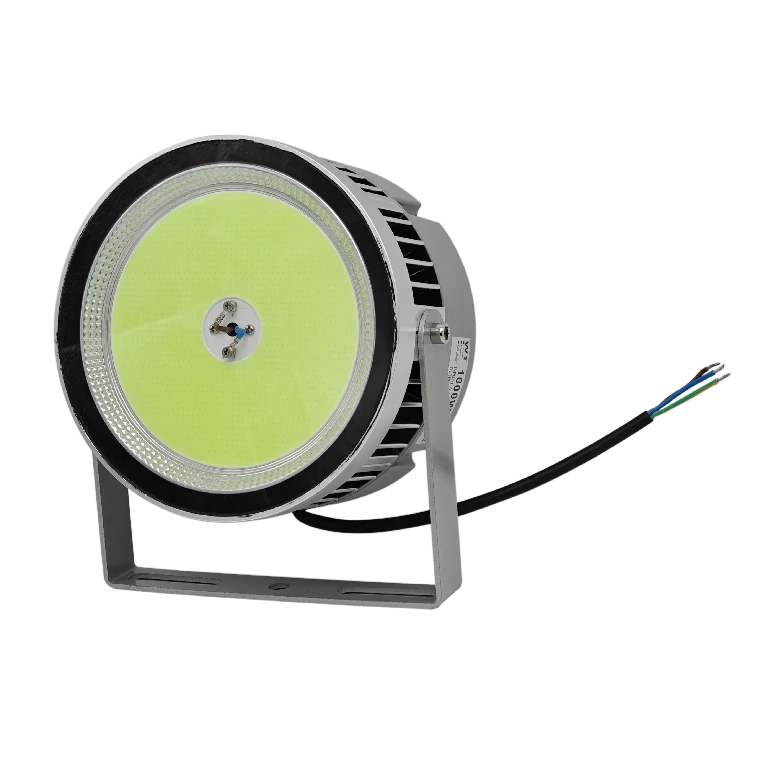
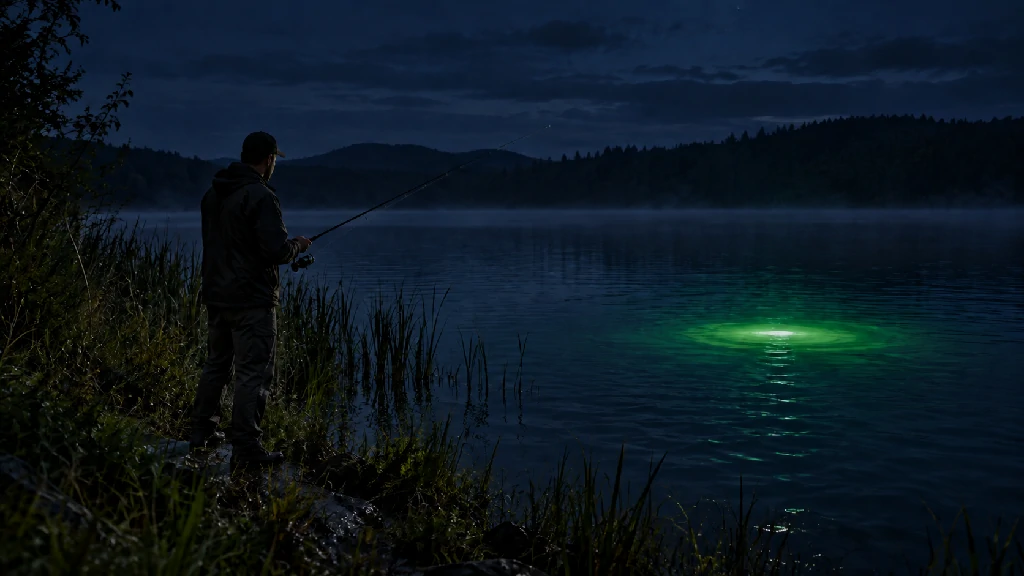
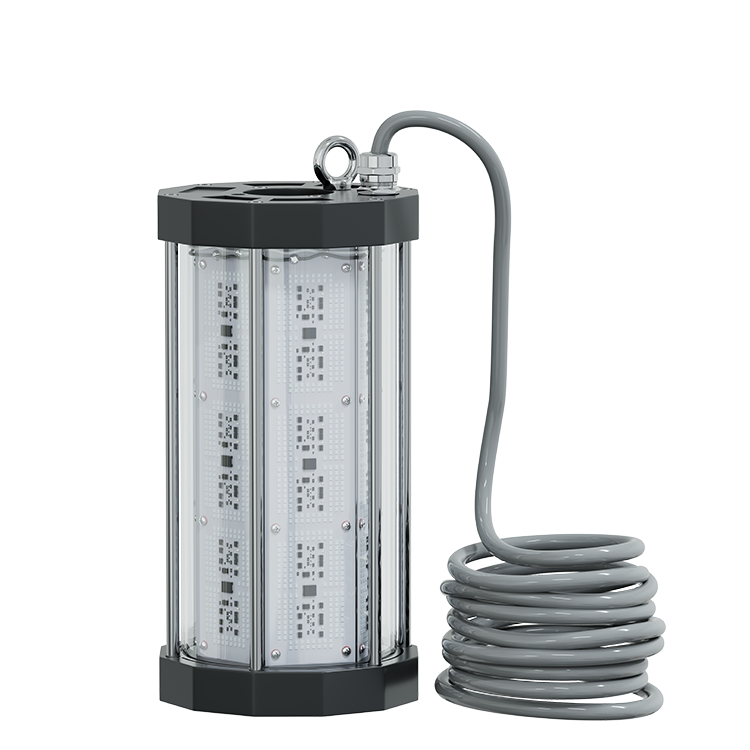
Put the fish light in open water beside habitat crappie are already using. Beside a productive weed bed, hang it outside the weed edge. Around standing timber, hang it on the open-water side of the outer trunk or tree line. Choose featureless open water only when baitfish or suspended crappie are already using it. Do not bury the lamp, cable or fishing line inside dense vegetation or branches. A fish light can concentrate activity around a useful location; it cannot make empty water hold fish.
Use This Decision Framework Before You Deploy the Light
Choose the Habitat Before You Choose the Exact Lamp Position
Rank the three options before switching on the fish light. Choose a clean outside weed edge when healthy submerged plants stop beside deeper water. Choose standing timber when the outer trunks intersect a creek channel, drop-off or depth where crappie have recently been caught. Choose open water only when baitfish or crappie are already suspended over a basin, channel or point. In all three cases, keep the lamp itself in controllable open water and let the light field reach the habitat. If the cable must pass through weeds or branches, reject that position even if the cover looks promising.
Let Crappie Species and Lake Type Set the First Priority
Black and white crappie overlap, so species is a clue rather than a rigid rule. The Michigan Department of Natural Resources reports that black crappie are more often associated with clearer lakes and weed beds, while white crappie tolerate more turbid water and are more often associated with reservoirs, brush and standing timber.
That distinction gives you a useful first move. In a clear natural lake where black crappie dominate, inspect a healthy outside weed line before committing to bare open water. In a stained reservoir where white crappie dominate, inspect timber on a creek-channel edge before choosing a random basin. In mixed populations, recent catches, visible forage and the depth being used that night should override the species shortcut.
Choose the Weed Edge When It Forms a Clean Route to Deeper Water
The useful target is not vegetation in general. It is a defined outside edge where living submerged plants stop and open water begins, preferably beside a drop or deeper lane. New York’s Department of Environmental Conservation identifies outside weed edges, weed beds and adjacent drop-offs as productive post-spawn crappie locations.
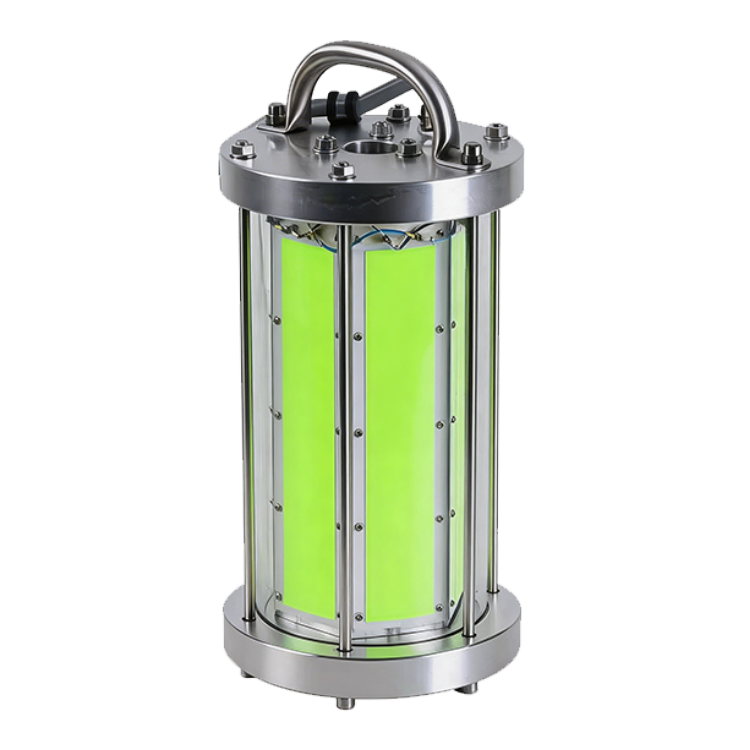
Hold the boat or choose a dock position in open water. Lower the underwater fish light vertically outside the vegetation so neither the fixture nor its cable can drift into the plants. The light field should reach the outside face of the weeds without placing the hardware inside them. Start the bait along the weed top, then work the outside face at the same depth as visible baitfish or previous bites.
Reject the weed option when there is no defined edge, the vegetation fills the entire working depth, or ordinary movement repeatedly fouls the light cable and fishing line. Moving the lamp deeper into the weeds does not fix those conditions; it removes the clear feeding and retrieval lane that made the edge useful.
Choose Standing Timber Only When the Timber Meets the Fish’s Depth
One isolated tree in the wrong depth is not automatically a crappie spot. Give priority to timber that crosses a creek channel, drop-off or depth where crappie have recently been caught. The Missouri Department of Conservation recommends standing timber along creek channels for summer crappie, while the Iowa Department of Natural Resources notes that flooded timber supplies cover and food and that crappie often suspend around such structure.
Place the lamp beside the outermost usable tree, on the open-water side. Keep enough separation for the boat to swing and for the complete light-and-cable path to remain outside the branches; there is no universal distance because tree shape, wind and boat movement differ. Present a jig or minnow just above the upper branches or alongside the outer trunk. Iowa DNR advises keeping a suspended bait above stake-type habitat, which reduces snags and gives crappie room to rise to it.
Do not lower the lamp into the centre of a branch network. If the boat cannot hold position without sweeping the cable toward the timber, recover the lamp and choose another tree or another habitat. A promising fish location is still a poor deployment location when the equipment cannot be controlled.
Choose Open Water Only After You Find a Suspended Target
Open water is not the wrong answer; unsupported open water is. After spawning, crappie may leave shallow cover and suspend over deeper water. New York DEC describes summer fish suspended well above the bottom over much deeper water, and Iowa DNR reports that schools in stratified lakes commonly suspend above the thermocline.
Use open water when you have at least one positive indicator: baitfish visible at the surface before deployment, a repeatable depth from recent catches, fish or bait shown by electronics, or a basin intersected by a channel edge or point. Place the fish light near that active layer rather than on the bottom simply because the water is deep. In a stratified summer lake, Iowa DNR cautions that water below the thermocline may contain little or no oxygen; a deeper lamp cannot create suitable habitat there.
If you lack electronics, use a contour map, recent catch depth and surface forage activity to choose a defined route instead of the geometric centre of the lake. If neither forage nor crappie activity develops while the setup remains stable, move to a preselected weed or timber edge rather than waiting indefinitely over featureless water.
Use a Repeatable Three-Step Field Check
First, rank the three habitats before switching on the light. Use lake type, crappie species, recent catches, visible bait and the connection between cover and deeper water. Do not choose the easiest place to lower a cable unless it also has a reason to hold fish.
Second, deploy on the open-water side and keep the lamp depth, brightness and boat position stable. Compare two fishing lanes: the habitat-facing side of the light field and the open or darker side at the same depth. Change one variable at a time so a bite tells you something useful.
Third, read the result correctly. Baitfish gathering without crappie bites means the location may be concentrating forage; test bait depth and presentation separately. No forage and no crappie activity is evidence to change habitat. Any contact between the lamp cable and weeds, timber, anchor line or propulsion zone is an immediate equipment-position failure—recover and reposition before continuing.
Final Answer
For an unknown crappie lake, start at the outside edge of useful cover that connects to deeper water—not in featureless open water. Choose a clean outside weed edge first in a clear, vegetation-rich black-crappie lake. Choose the open side of channel-related standing timber first in a reservoir where white crappie and woody cover dominate. Choose open water first only when suspended baitfish or crappie have already been located there.
In every case, keep the lamp itself in controllable open water and use its light field to reach the habitat edge. The location should already make sense before the fish light is switched on.
Frequently Asked Questions
Can I place a crappie light directly inside a weed bed?
Usually no. Place it just outside a defined weed edge so the light reaches the vegetation while the fixture, cable and fishing line remain controllable. A dense weed bed without a clear outside lane is a poor deployment site.
How far should the fish light be from standing timber?
There is no universal distance. Place it far enough away that boat swing and cable movement cannot reach the branches, but close enough for the light field to reach the outer timber edge. If you cannot maintain both conditions, choose another tree.
Is open water ever the best place for crappie lights for night fishing?
Yes—when forage or crappie are already suspended there. Open water can be productive over a basin, channel or point, but darkness and depth alone are not evidence that fish are present.
Should I choose weeds for black crappie and timber for white crappie every time?
No. Those habitat associations are useful starting clues, not fixed rules. Season, forage, water level, oxygen and the actual fish depth can override them. Use current observations and recent catches to confirm the first choice.

-1024x1024.webp)