-1-1024x1024.webp)
Yes, sometimes—but the safe solution is usually not to cut the cable that enters the light. Ask whether the manufacturer permits modification and offers a longer factory lead. Otherwise, keep the submersible lead intact and add properly sized cable on the dry power-supply side, with every new connection protected from water.
An extension adds conductor resistance, and any submerged joint creates a sealing problem. A splice does not inherit the light’s IP rating. Without manufacturer approval or a reliably dry joint, do not make the modification.
First Identify Which Part You Want to Extend
An underwater fishing-light system can contain two very different cable sections:
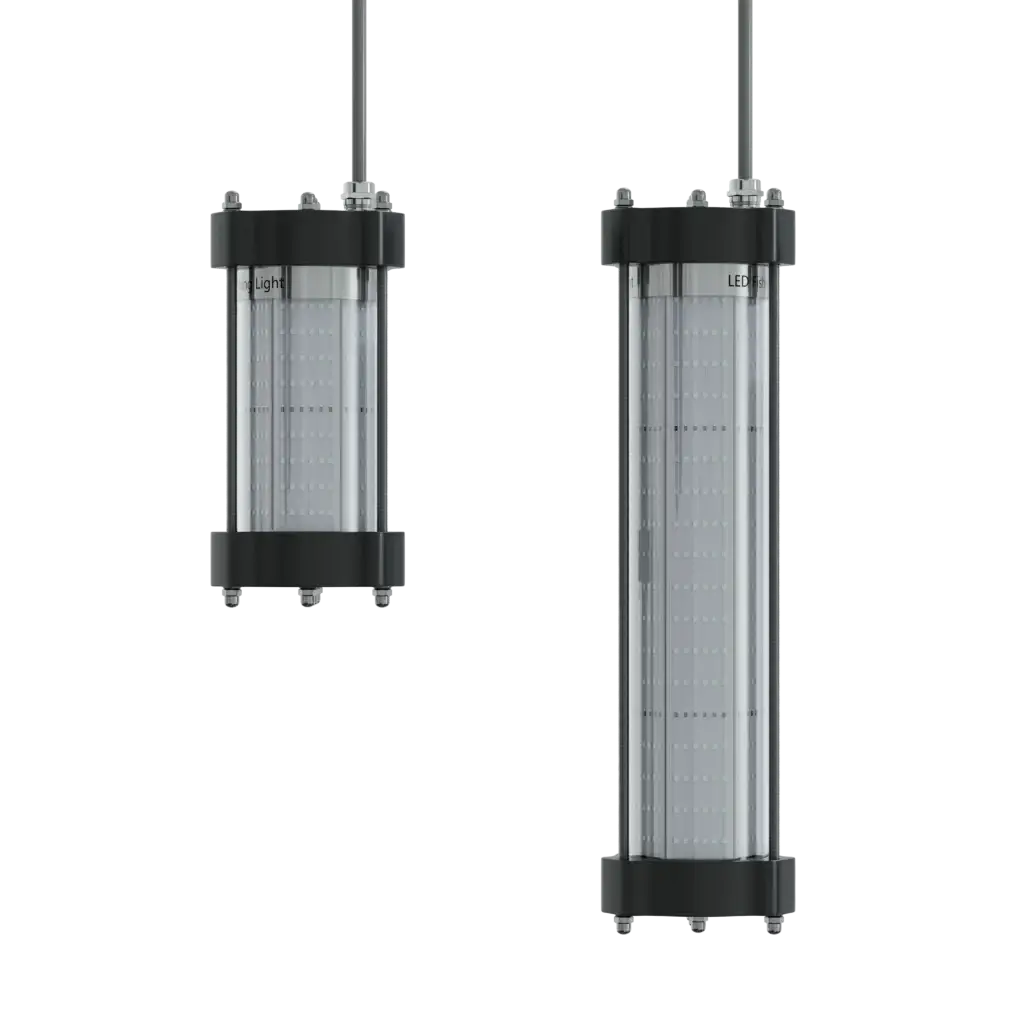
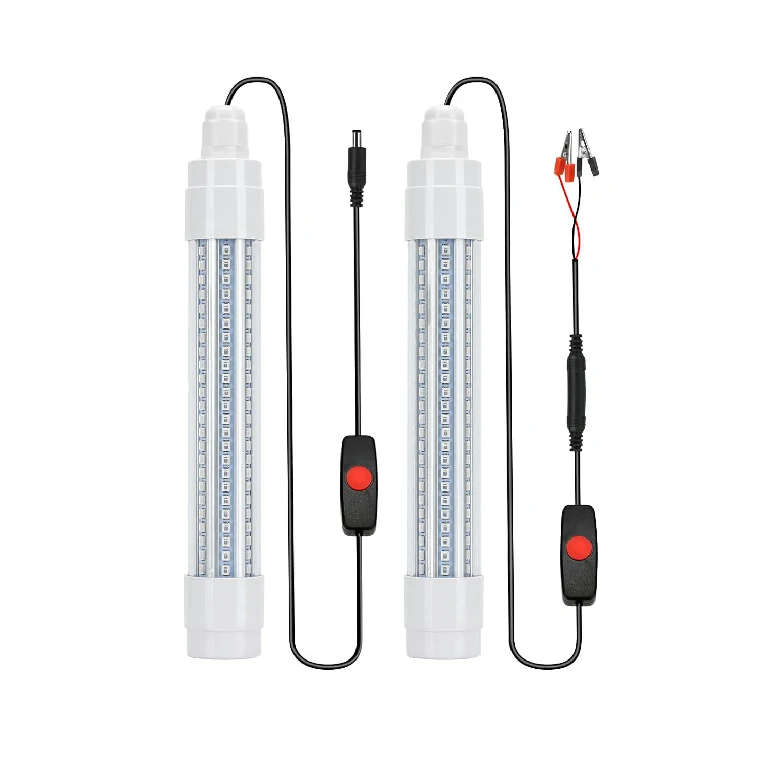
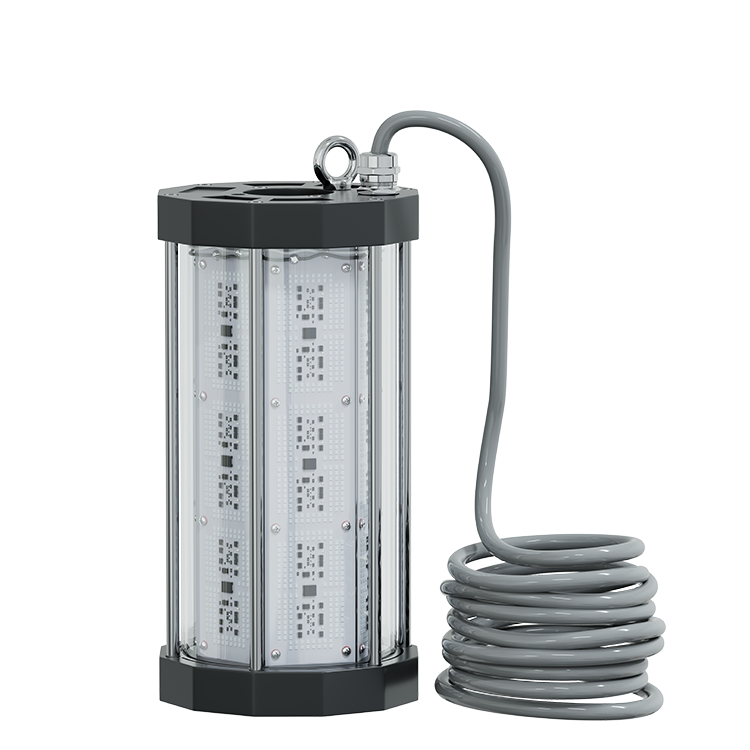
- The factory lead between the sealed light and its connector, switch or power termination. This may be part of the product’s tested waterproof assembly.
- The supply-side wiring between that termination and a battery, fused distribution point or approved power supply. This section may sometimes be extended without opening the submersible assembly.
Cutting the factory lead creates a new potential water path and may affect warranty or service eligibility. Extending the dry side leaves the sealed assembly unchanged, although the added wire, connector and protection still require correct sizing.
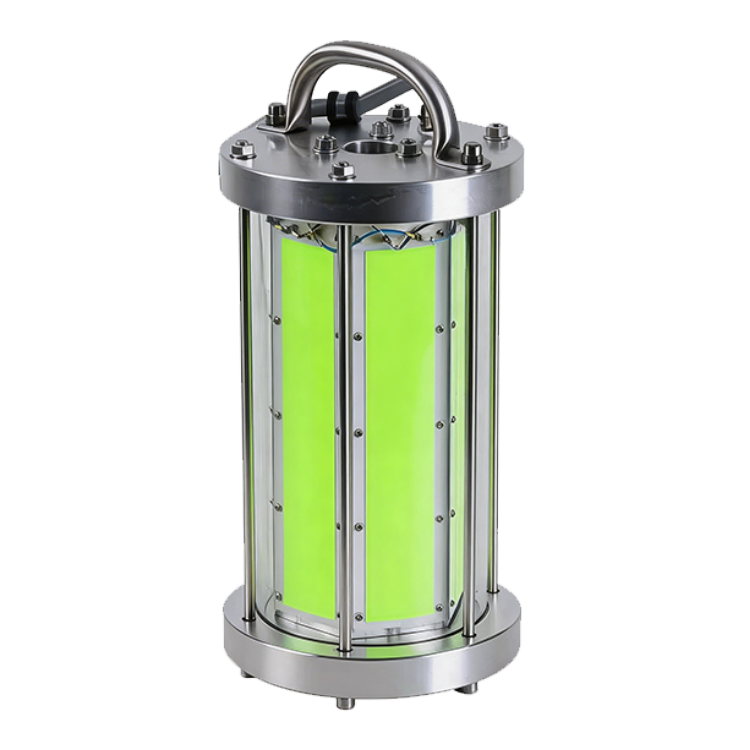
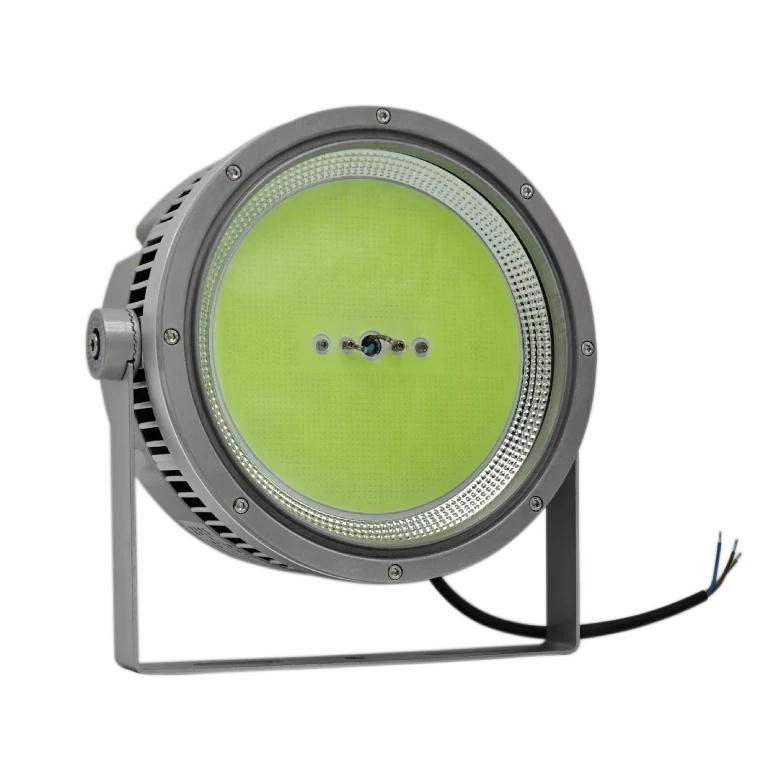
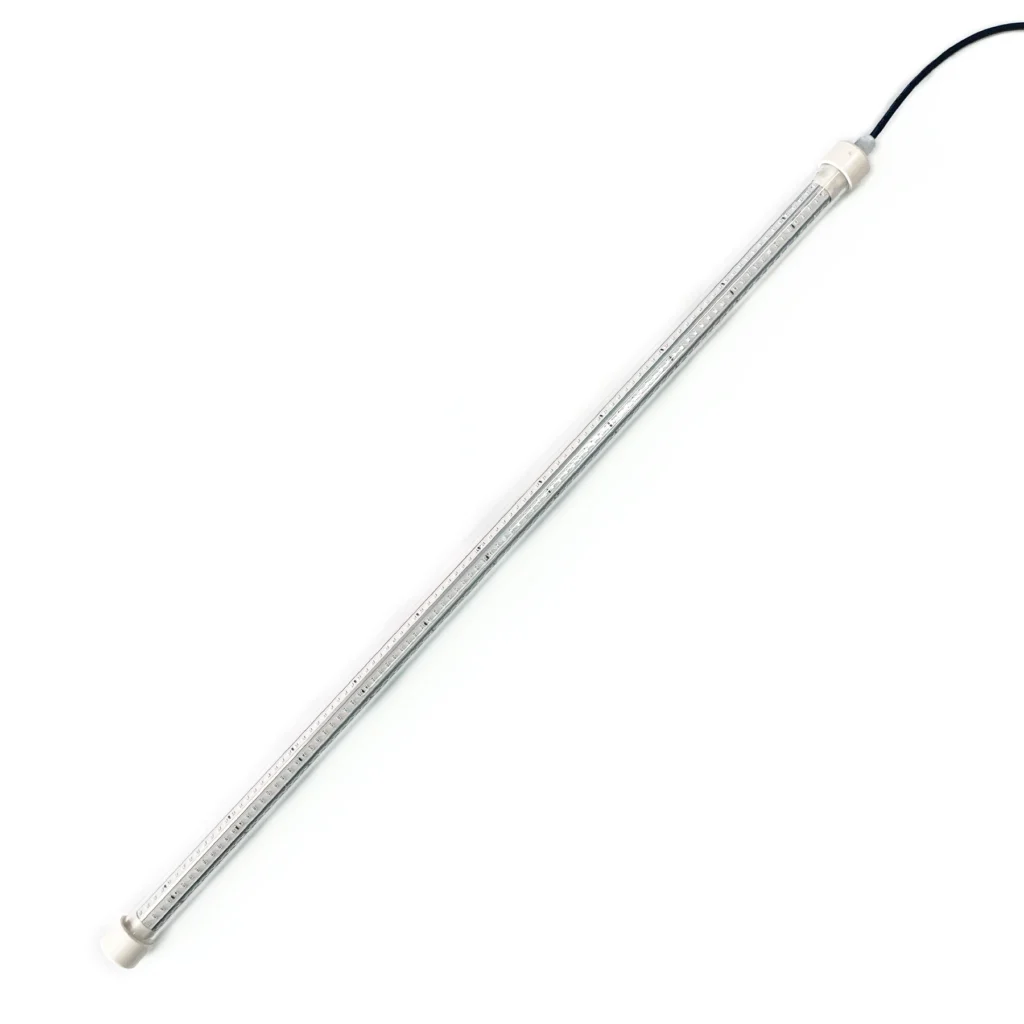
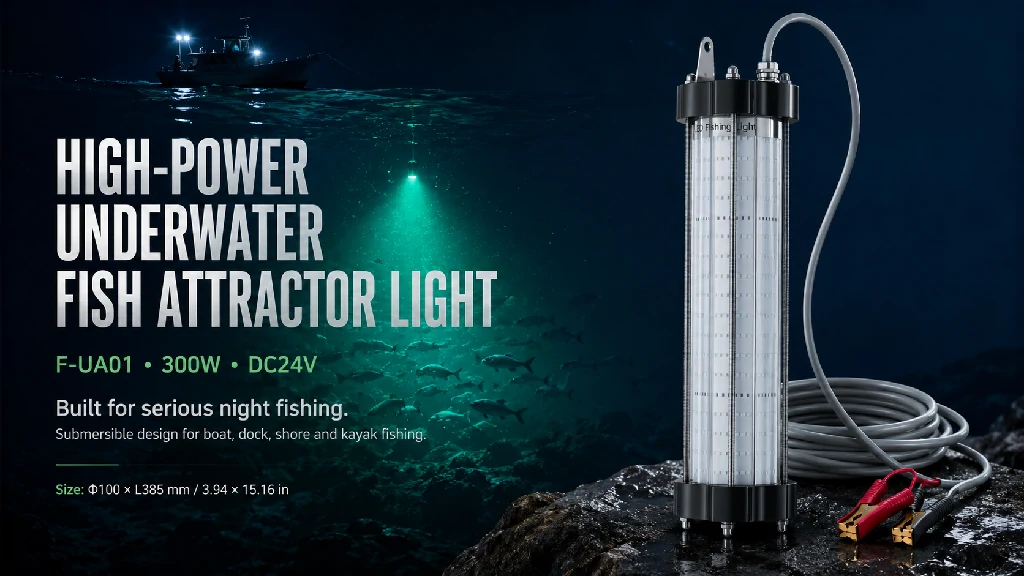
Plan length before buying. Lurebeam currently lists a 5 m (16.4 ft) lead for the F-UD01 12V model and a 10 m (32.8 ft) lead for the F-UA01 24V model; the latter page also lists customizable length. These details are not permission to alter either product. Confirm the required length and approved connection method.
Use This Three-Question Decision Test
Proceed only if all three answers are satisfactory:
- Does the manufacturer authorize the proposed extension? Ask whether the factory lead may be cut, whether a longer lead can be ordered, which conductor size and cable type are required, and whether modification changes the warranty.
- Can every added joint stay dry? “Above water” is not enough if spray, bilge water, rain or a falling cable can wet the connection. Put the joint in a protected location, provide strain relief, and prevent it from becoming the lowest hanging point.
- Will the circuit deliver acceptable voltage under load? Size the extension from current, total positive-plus-negative length, conductor resistance, terminal losses, temperature and routing—not connector fit alone.
If manufacturer approval is unknown, stop and ask. If a joint cannot remain dry, order the correct factory length or use an approved continuous-immersion system specified for the actual cable and installed by a qualified person.
Why Cable Length Changes Voltage at the Light
Current can be estimated from rated power:
current (A) = power (W) ÷ voltage (V)
Voltage drop is then approximately:
voltage drop (V) = current (A) × total circuit resistance (Ω)
Use the round-trip conductor length: the positive path to the light plus the negative return. Both Victron Energy’s DC-wiring guidance and Blue Sea Systems’ marine wire-sizing guide explicitly use total circuit length. Longer or thinner conductors have more resistance; terminals, switches, fuses and poor crimps add resistance as well.
Consider a planning example, not a wiring recommendation. A 16 W light at 12 V draws about 1.33 A, while a 300 W light at 24 V draws about 12.5 A. Adding 5 m (16.4 ft) one way means adding 10 m (32.8 ft) of round-trip conductor. With 1.5 mm² copper and an assumed resistivity of 0.017 Ω·mm²/m, the extension alone is about 0.113 Ω:
| Example load | Approx. current | Drop in the example extension | Percentage of rated voltage |
|---|---|---|---|
| 16 W at 12 V | 1.33 A | 0.15 V | 1.3% |
| 300 W at 24 V | 12.5 A | 1.42 V | 5.9% |
The same extension has a very different result because the loads draw different current. The figures exclude the original lead, connectors, fuse, switch, battery sag and temperature effects. They therefore cannot be used as final cable-size approval. They show why “use the same wire as before” is incomplete advice.
Do Not Treat IP68 as Permission to Splice
IEC 60529 classifies protection provided by an electrical enclosure. When a completed light is sold as IP68, that designation applies to the assessed product configuration and the manufacturer’s stated conditions. It does not automatically certify a cable joint added later.
Electrical tape is not evidence that a field splice is safe for continuous immersion. Ordinary heat-shrink, adhesive-lined tubing and a certified submersible splice system are not interchangeable. Purpose-designed systems specify cable type, conductor range, voltage, sealing components and installation procedure. If those conditions do not match the fishing-light cable, the splice rating does not validate the finished assembly.
The most dependable hierarchy is:
- Order the required factory cable length.
- Keep the original submersible cable intact and extend only the protected dry side.
- Use a manufacturer-approved detachable connector or splice system.
- Make a submerged field splice only when the light manufacturer authorizes it and a qualified installer can validate the complete assembly.
Choose Wire and Protection as One System
Wire size must satisfy both ampacity and voltage-drop requirements. A conductor can avoid overheating yet still lose too much voltage. An oversized fuse does not cure voltage drop; it can leave a smaller conductor inadequately protected.
For U.S. boats within the scope of 33 CFR Part 183, installed-wiring rules provide useful benchmarks: conductors are generally insulated stranded copper, need abrasion protection, and ungrounded conductors generally require overcurrent protection near the source. The scope is limited and portable equipment is excluded from some provisions, so this is not a global rule. In Australia, Europe and elsewhere, follow applicable local requirements.
Do not select a universal fuse or wire size from this article. Obtain the light’s rated current or input range and manufacturer requirements, then calculate the entire circuit. A marine electrician should review permanent wiring, high-current equipment or installations near fuel spaces.
A Practical Extension Workflow
- Measure the real route. Include depth, freeboard, routing to the battery, drip loops, strain-relief slack and retrieval needs. Do not count only straight-line distance.
- Record the load. Use the model’s rated voltage and maximum current. If only watts are given, calculate an initial current estimate, then confirm it with the manufacturer.
- Ask for the approved configuration. Request a longer factory lead first. If an extension is allowed, obtain cable, connector, polarity, fuse and joint-location requirements in writing.
- Calculate the complete round-trip length. Include the original lead and both extension conductors, plus connector and switch losses.
- Place the joint before selecting hardware. A genuinely dry, protected joint and a continuously submerged joint are different engineering tasks.
- De-energize before work. Use the correct crimping tools, compatible tinned stranded marine cable where required, sealed terminations suited to the location, abrasion protection and strain relief. Follow the equipment instructions and local rules.
- Test under load. Measure voltage at the source and light-side supply point while running; the difference is circuit drop. Stop if connections heat, voltage is unstable, insulation is damaged, sealing is uncertain or protection opens.
- Inspect after retrieval. Look for green or white corrosion deposits, moisture, swollen insulation, loose strain relief, stiff cable or heat-discoloured terminals. Disconnect the system until the cause is corrected.
When the Correct Answer Is “Do Not Extend It”
Do not extend the cable when the manufacturer prohibits cutting it; the cable jacket is already damaged; conductor identity, polarity or current is unknown; a field joint must remain underwater without an approved system; or the existing power source and protection cannot support the longer circuit. A custom-length replacement is cheaper than troubleshooting a flooded light, an intermittent connection or heat-damaged wiring.
Conclusion
You can extend some underwater fishing-light installations, but the safest extension usually happens outside the submersible assembly. Preserve the factory lead, keep new joints dry, calculate voltage drop over the full round trip, and size the conductor and circuit protection together. If you cannot verify manufacturer approval, sealing method and under-load voltage, order the correct cable length or use a qualified marine electrician instead.
Frequently Asked Questions
Can I use ordinary household extension cable?
No. Cable for a damp, vibrating and potentially salt-laden environment must be selected for the installation, voltage, current, temperature, flexibility and applicable marine rules. Household cord or solid building wire is not an automatic substitute for marine DC cable.
Will thicker cable make the fishing light brighter?
It cannot raise the light above its designed output, but adequate conductor size can prevent avoidable voltage loss. If the original circuit was undersized, correcting it may restore normal operation. Never exceed the manufacturer’s input-voltage range.
Can electrical tape waterproof a splice?
Do not treat tape alone as a continuous-immersion seal. Keep the connection dry or use a complete, manufacturer-approved system specifically rated for the cable and exposure.
Is extending a 24V cable always easier than extending a 12V cable?
No. For the same power, a 24V load normally draws less current than a 12V load, which can reduce percentage voltage drop. But real fishing lights may have very different power ratings. Calculate from the actual load, circuit length and conductor—not voltage alone.