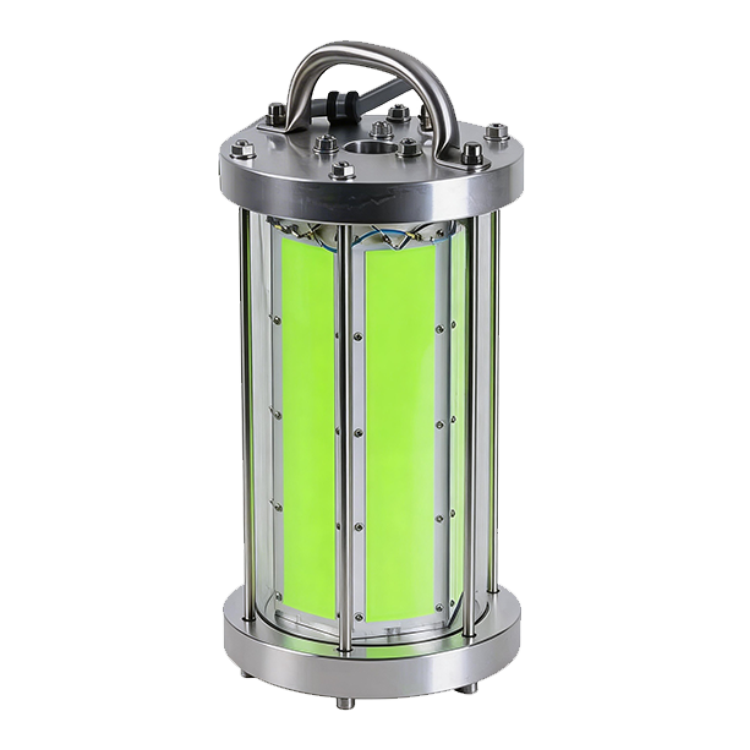
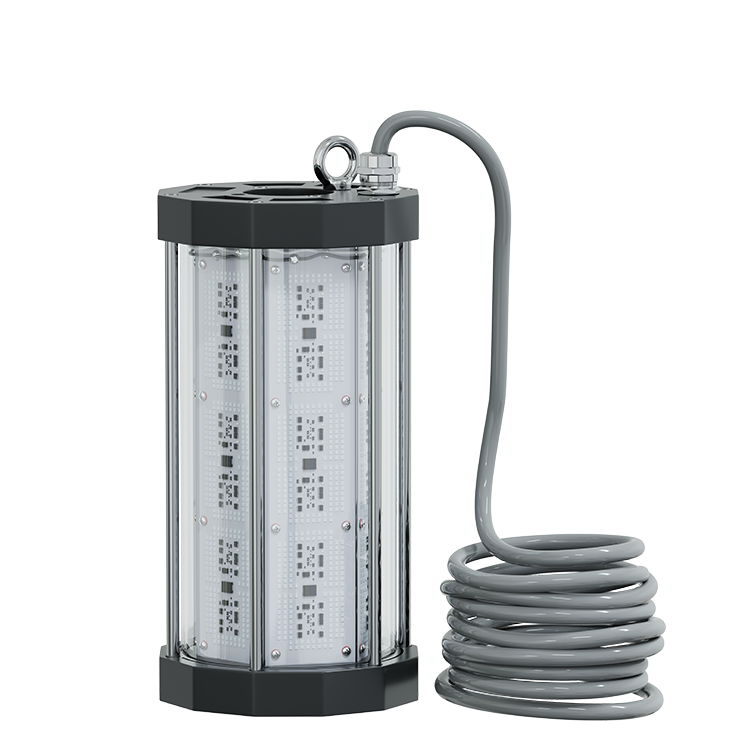

Some fish move toward light at night. Others avoid it. And a fish seen beneath a lamp may not have moved at all—the light may simply have made it visible. That is why “fish like light” is an unreliable explanation for what anglers see.
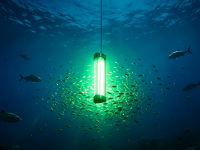
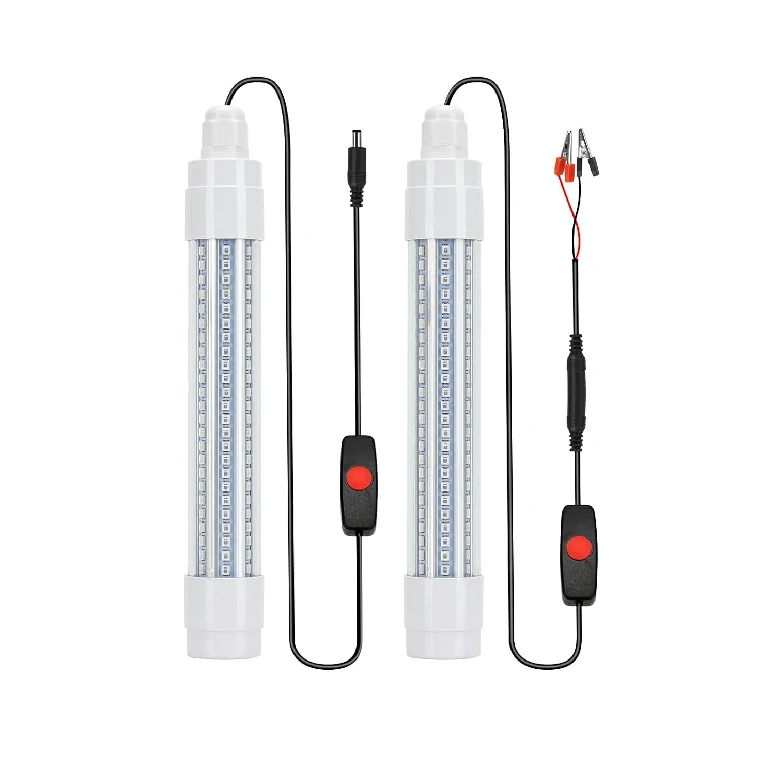
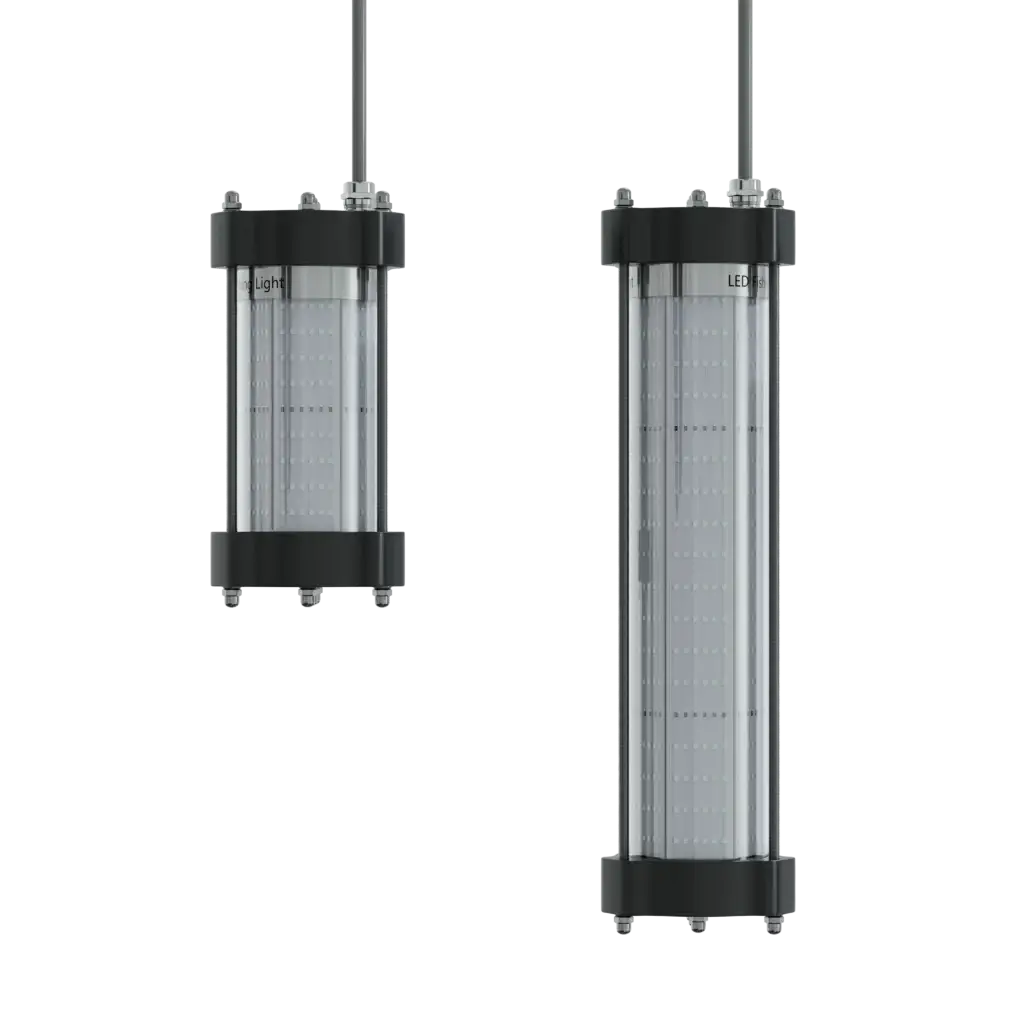
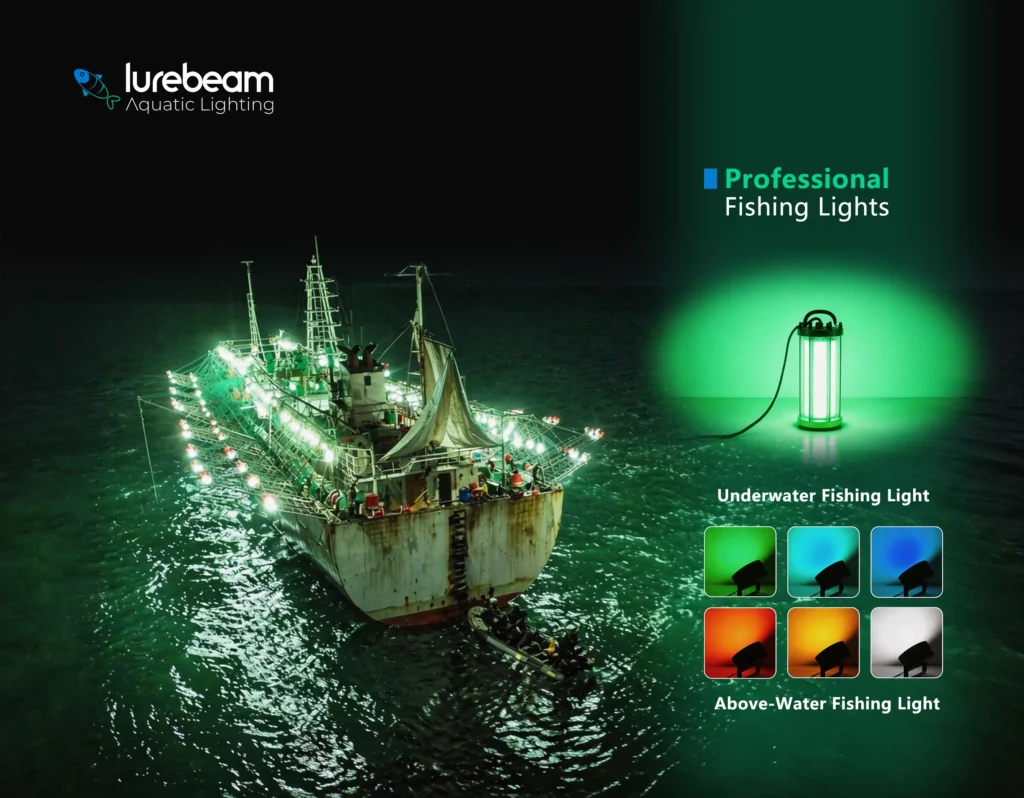
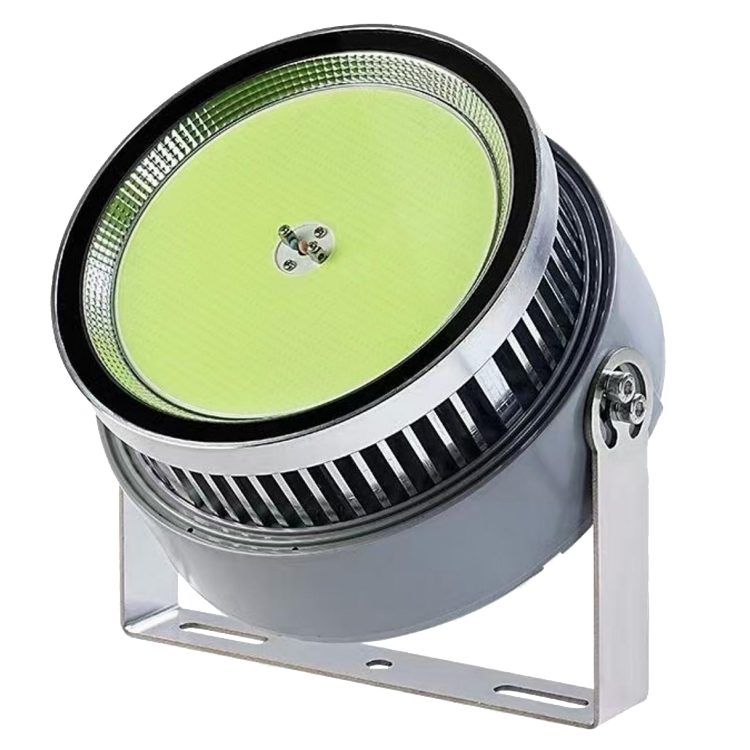
A fishing light attractor changes a small area of water. It can draw in light-responsive animals, make prey easier to see, or give predators a better opportunity to hunt. These are different effects. Knowing which one you are watching is more useful than assuming every fish near the glow came for the lamp.
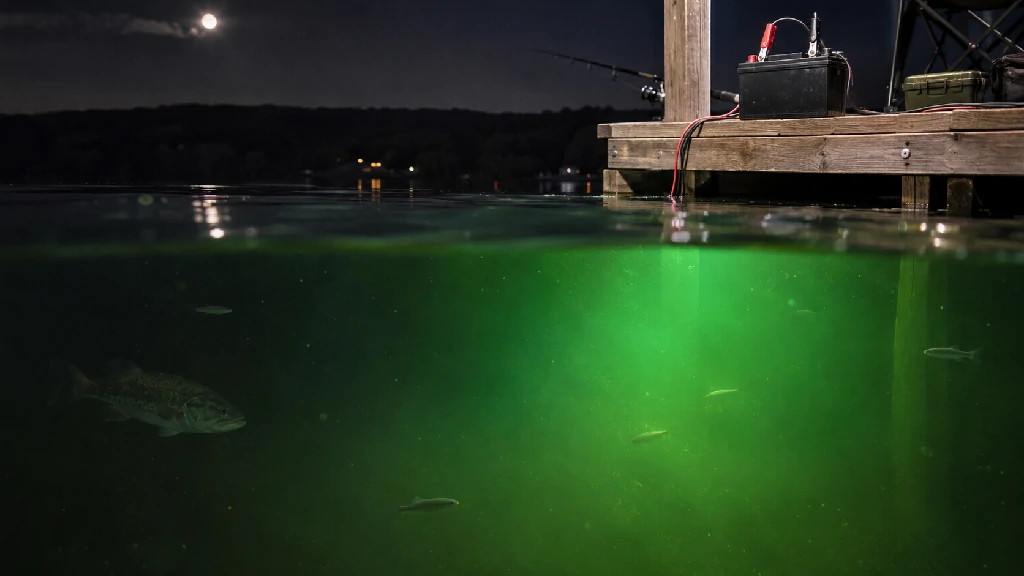
Moving toward light is only one possible response
An animal that moves toward a light source shows positive phototaxis. One that moves away shows negative phototaxis. Neither response applies to all fish.
In a laboratory study, Chinook salmon generally moved away from the tested artificial lights. Their response also differed with light colour and flashing pattern. The researchers cautioned that a response observed in a tank cannot be directly applied to fish in open water. Still, the experiment establishes an important point: a fish can detect light without wanting to swim toward its source. Source: NOAA-hosted Chinook salmon study.
Sometimes the food responds before the fish
A revealing experiment tested Northern krill and Atlantic cod separately. Among the single-colour lights tested, green light at 530 nanometres attracted the most krill; broad-spectrum white light worked equally well. The cod, by contrast, showed no significant attraction to the tested lights. Source: PLOS ONE laboratory study.
This helps explain how a light can become useful for fishing without directly attracting the target fish. If light concentrates an animal that fish eat, the food—not the bulb—may give fish a reason to enter the area. The krill-and-cod experiment shows that their direct responses to the lamp differed. It does not prove that cod will arrive whenever krill gather under a green fishing light.
Light can change how fish hunt
A predator does not need to swim toward a lamp to benefit from illumination. In a laboratory experiment, Eurasian perch consumed more small invertebrates on artificially lit nights than on dark nights. The tested light helped them find and capture prey. The experiment’s brightness was a research condition, not a recommended setting for a fishing light. Source: perch foraging study.
A field study beneath a Sydney wharf found something less intuitive: fish were more abundant on unlit nights, but predatory behaviour was greater under artificial light. In that setting, more fish did not mean more feeding. Source: coastal lighting field study.
That distinction matters beside a fishing light attractor. A large school visible in the glow tells you where fish are. It does not, by itself, tell you whether they are hunting or likely to take your bait.
Read the behaviour, not just the glow
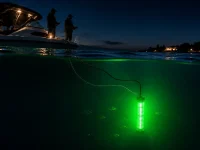
Imagine lowering a light beside a dock. First, small fish appear. That is evidence of activity around the light, but not evidence that a larger predator has arrived. Then the small fish suddenly scatter and you see repeated chases beneath them. Now you have a stronger clue: something is actively hunting at that depth. Put your bait or lure through the observed feeding path, rather than casting repeatedly at the brightest point.
If you see fish but no feeding activity, making the lamp brighter is not an answer established by what you observed. The light may already have done its job of making prey visible or concentrating it. The missing event is a predator choosing to feed.
So, do fish like light at night when fishing? Some approach the source; some avoid it; others use the illuminated area because it changes their access to food. A fishing light attractor does not make fish universally “like” light. Its value is that it can change where useful activity happens—and make that activity easier for an angler to recognize.
FAQs
Does green light attract every fish?
No. In one laboratory study, green light attracted Northern krill, but the cod tested did not show significant attraction to the light itself. A green fishing light may affect an animal the target fish eats without directly attracting that fish. Source: PLOS ONE study.
How long does a fishing light attractor take to work?
There is no reliable waiting time that applies to every location. The first small fish you see show that the area is active; they do not prove that a predator has arrived. Look for chasing or feeding before treating the illuminated area as a productive fishing spot.
Should I cast into the brightest part of the light?
Not automatically. If you can see fish chasing prey, place your bait or lure through the depth and route of that chase. The brightest part shows you where the light is strongest—not necessarily where a predator is feeding.
If fish appear but do not bite, should I use a brighter light?
Not on that evidence alone. Light can change how fish feed without increasing the number of fish present; seeing fish also does not prove they are feeding. First distinguish fish merely holding in the area from fish actively pursuing prey. Source: coastal lighting field study.