-1-1024x1024.webp)
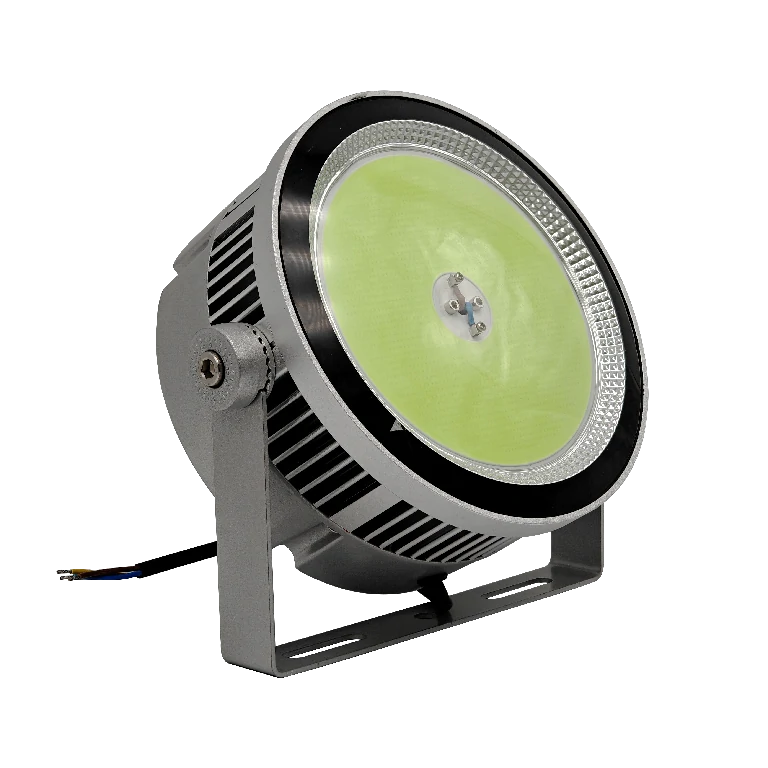
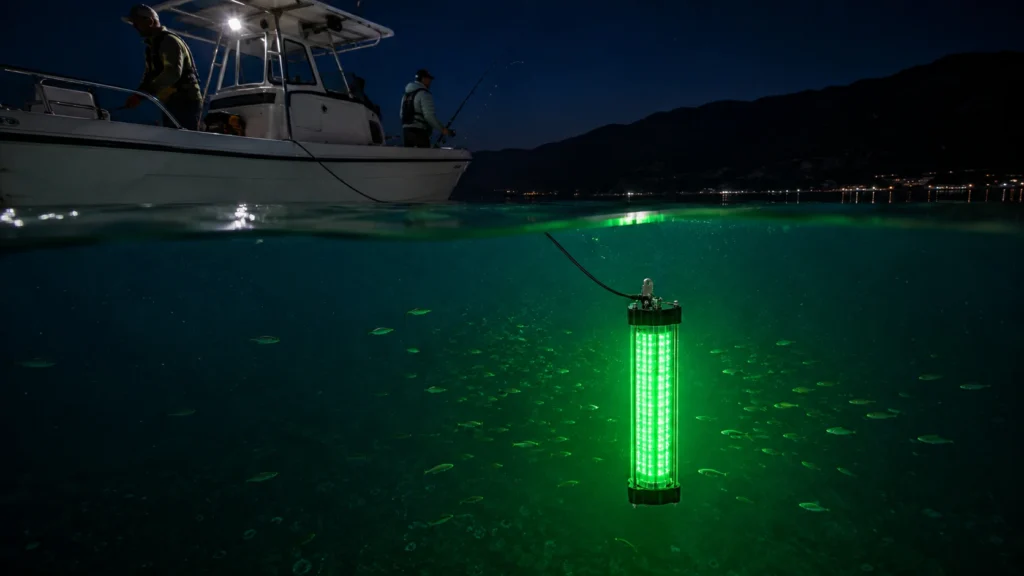
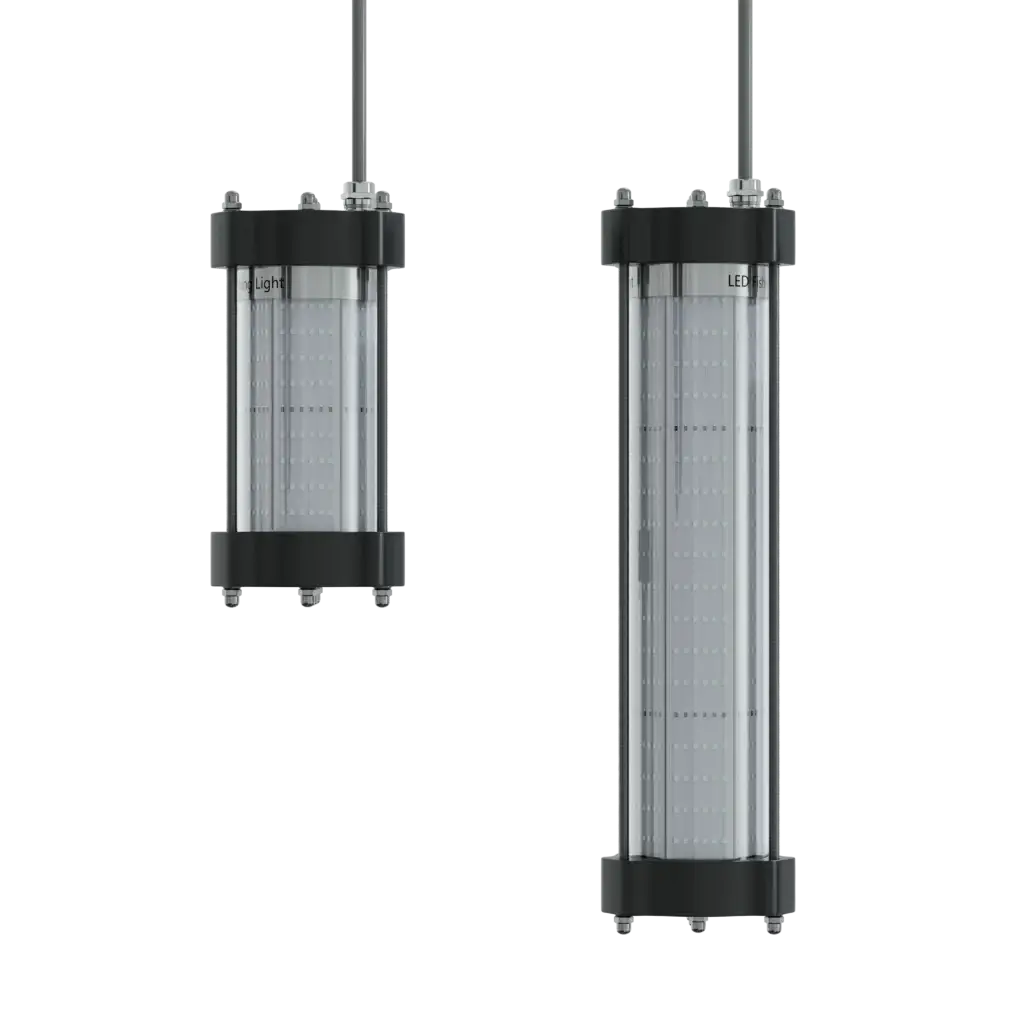
A fishing light attractor is a light used above or below the water to concentrate fish, baitfish, squid, or other aquatic organisms around a fishable area. It does not work like bait, and it does not pull every fish directly toward the bulb. Its real value is that it changes the local visual and feeding environment. When conditions are suitable, the light creates a small, predictable feeding zone where plankton, baitfish, and predators interact.
That distinction matters. An angler who expects an instant swarm may conclude that fishing lights do not work. An angler who understands water clarity, fish behavior, placement, and the edge of the illuminated area can use the same light far more effectively. Wholesalers also need this distinction because wattage and color alone do not tell a customer whether a light suits a boat, dock, pond, or commercial fishing operation.
What Counts as a Fishing Light Attractor?
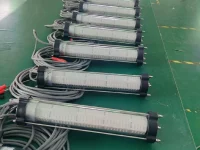
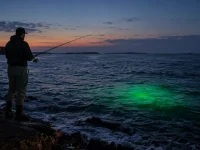
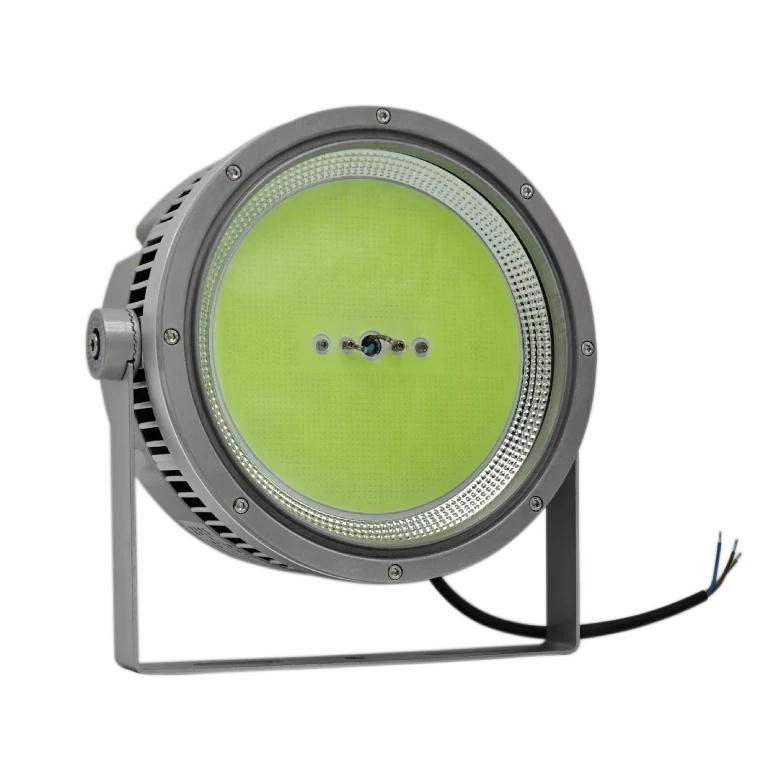
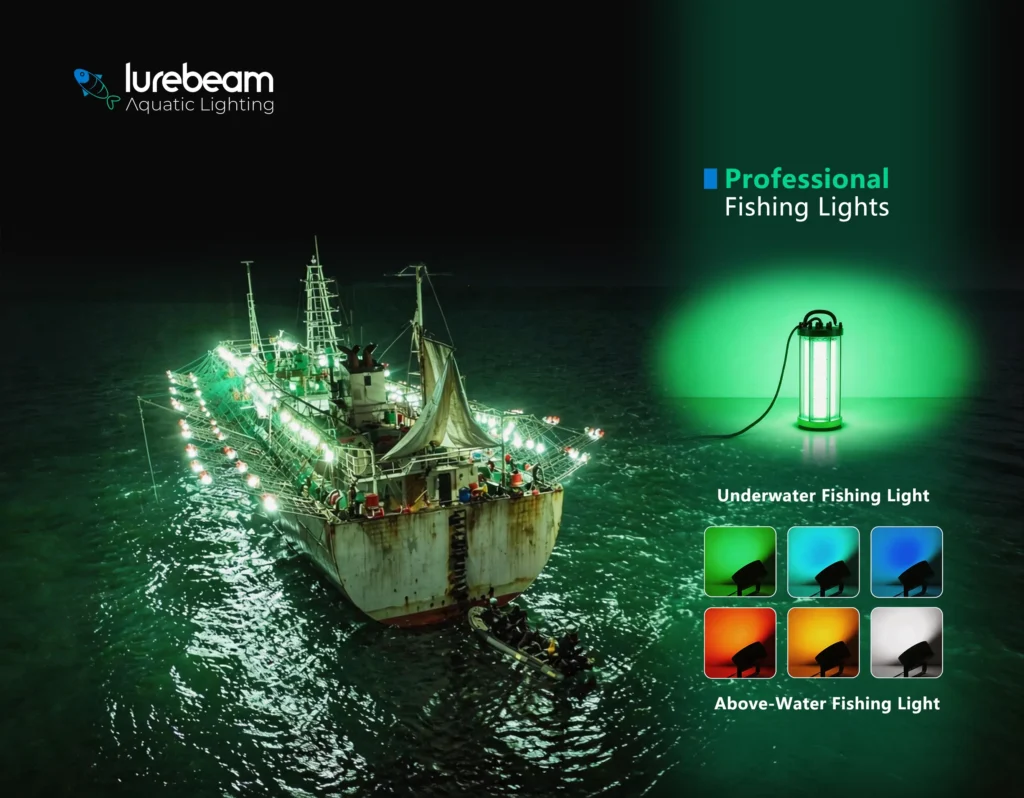
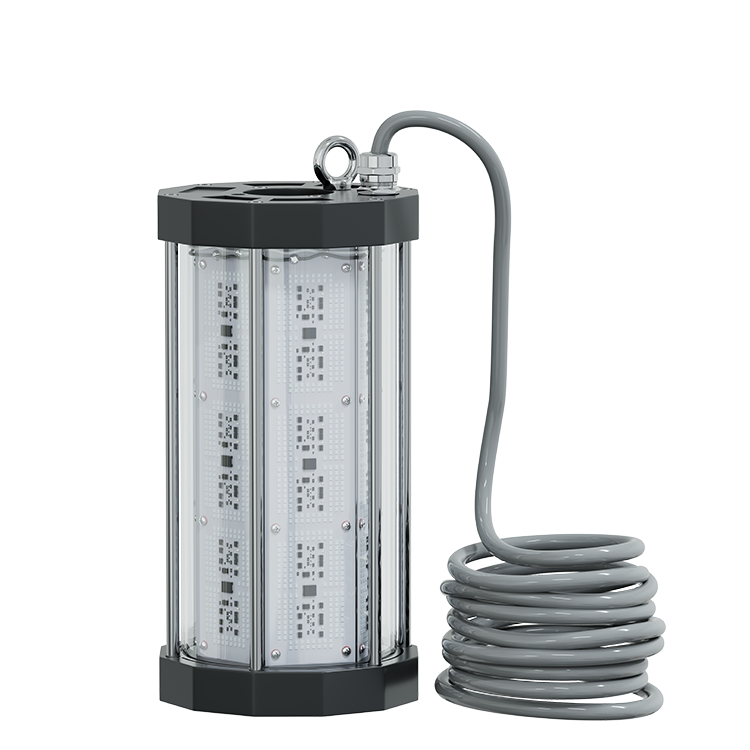
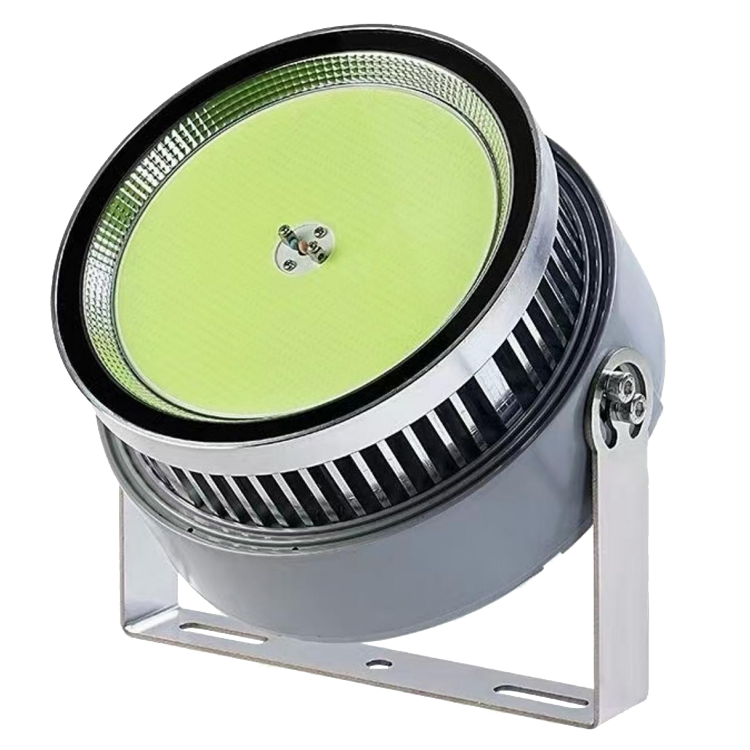
The term describes the function of the light, not one fixed product shape. A fishing light attractor may be a portable submersible LED lowered beside a boat, a permanently installed underwater dock light, or a high-output above-water lamp used by a fishing vessel. What connects these systems is their purpose: producing a controlled light field that influences the distribution or behavior of aquatic animals.
It should not be confused with a headlamp, deck light, navigation light, or ordinary underwater accent light. Those products may help people see, but they are not necessarily designed to create an effective underwater attraction zone. A useful fish-attracting light needs appropriate underwater output, optical distribution, waterproofing, power delivery, and deployment geometry.
Light fishing is not new. An ICAR-Central Marine Fisheries Research Institute policy brief describes centuries-old fishing practices that used flame-based lights and later electric lamps. LEDs changed the equipment, but the basic idea remains the same: use light to make fish behavior more predictable.
How Does a Fishing Light Attractor Work?
The common explanation—“light attracts plankton, baitfish follow, and big fish follow the baitfish”—is useful, but incomplete. At least three processes may occur at the same time.
1.Some Organisms Respond Directly to Light
Many aquatic organisms show phototaxis, meaning movement toward or away from light. The response is not universal. It changes with species, life stage, light intensity, wavelength, previous light exposure, and environmental conditions.
A major review of artificial light in industrial fishing documents attraction, aggregation, avoidance, and altered catch responses across different fish and crustacean fisheries.
This is why “fish like green” should not be treated as a universal biological law. Some plankton and baitfish respond strongly to green or blue-green light. Some fish approach because they can see prey more easily. Others remain outside the brightest area, and some may avoid sudden or excessive illumination.
2.The Light Reorganizes a Local Food Web
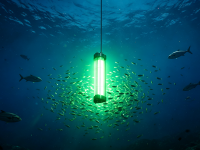
The light field can change the vertical and horizontal distribution of small organisms. Planktonic animals, insects near the surface, larvae, and small baitfish may accumulate in or around the illuminated water. Predators then gain access to a more concentrated and visible food source.
The important insight is that the lamp does not manufacture fish. It reorganizes animals already present or passing through the area. A light placed where there is no bait, no suitable structure, and little fish movement cannot compensate simply by being brighter.
3.Predators Use the Boundary, Not Only the Bright Center
The most productive part of a fishing light is often the transition between light and darkness. Baitfish may remain in the illuminated area, while predators patrol the darker perimeter and strike prey that becomes exposed.
Artificial light can extend the distance and time over which visual predators hunt. The U.S. Geological Survey notes that nighttime lighting can change fish feeding, migration, and predator-avoidance behavior.
For anglers, this leads to a practical rule: do not cast only into the brightest water. Work the shadow line, the down-current edge, and any structure intersecting the light field. The fish visible directly under the lamp may not be the fish most likely to strike.
Why Color Matters—but Does Not Decide Everything
Green is popular because green wavelengths remain useful in many freshwater and coastal conditions and are visible to numerous organisms. Blue can perform well in clear saltwater, while white provides a broad spectrum and strong apparent brightness. Red travels a much shorter effective distance through water and is used differently in some specialized fisheries.
However, color cannot be separated from water quality. Suspended sediment, algae, dissolved material, and depth absorb and scatter light differently. A theoretically favorable wavelength may perform poorly if the lamp produces excessive glare or if turbidity reduces the useful light field to a small cloud around the source.
Brightness also has a threshold effect. Too little usable light may not create a large enough attraction zone. More power beyond the useful level may only consume additional energy, increase glare, or create an unnaturally sharp light field that some fish avoid.
Evaluate a fishing light by the underwater area it creates—not by how painful it is to look at above the water.
Main Types and Their Best Uses
| Type | Best suited to | Main advantage | Main limitation |
|---|---|---|---|
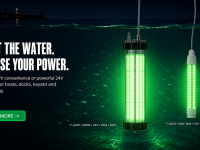
| Portable submersible light | Small boats, kayaks, bank fishing, and temporary dock use | Places light directly in the water and can be moved easily | Requires a battery or another suitable power source |
| Fixed underwater dock light | Repeated fishing around one dock or pier | Builds a consistent feeding location over time | Installation, fouling, wiring, and maintenance matter |
| Above-water fishing light | Large surface attraction areas and some vessel fisheries | Easy to inspect and useful for wide working areas | Surface reflection reduces how much light enters the water |
| High-output commercial system | Vessel-scale fish aggregation | Covers a much larger water volume | Requires engineered power, lifting, waterproofing, and operating procedures |
A small field study in Manado Bay compared surface lighting with an underwater LED system over 14 fishing trips. The underwater-light treatment produced the larger share of the recorded catch, but the result depended on the local species, fishing gear, moon phase, and experimental setup.
The study is evidence that placement can matter. It is not proof that every underwater light will outperform every surface light in every fishery.
When Should You Use a Fishing Light Attractor?
Fishing lights are most useful when you can stay near one productive area long enough for the attraction zone to develop. Good situations include fishing beside docks, bridge pilings, reefs, drop-offs, channels, marina structures, or known bait routes.
They are particularly practical for anchored or slow-moving boats and for night sessions where baitfish already use the upper or middle water column.
They are less effective when you are constantly moving, fishing during bright daylight, operating in extremely turbid water, or placing the light far from any fish-holding structure or bait movement.
Strong current can also carry plankton and baitfish away faster than the light can concentrate them. Under those conditions, the productive zone may form down-current rather than directly below the lamp.
Do not expect an immediate response. Start the light before repeatedly casting through the area and observe what develops. Small organisms may appear first, followed by baitfish and then predators. On some nights this happens quickly; on others it takes much longer or never develops.
Treat the first 20–30 minutes as an observation period, not a guarantee.
Before using fishing lights, check the regulations that apply to the location, target species, and fishing method. Some jurisdictions restrict the power, position, or use of artificial lights in particular fisheries.
A Better Way to Deploy the Light
Begin with the target fish and bait depth, not the total water depth. For small recreational submersible lights, a relatively shallow starting position often creates a useful visible field near the boat or dock.
Lower the light gradually if sonar, visible bait, or repeated bites show that the active layer is deeper. Sending a compact light to the bottom simply because the cable is long may move the attraction zone away from where you are fishing.
Keep a suspended cylindrical light vertical so its output remains evenly distributed. If the light has a lifting point, use a dedicated rope to support its weight. The electrical cable should provide power, not serve as the load-bearing line.
Keep connectors protected from spray and strain, and use electrical protection appropriate to the voltage and operating environment.
Once the light field develops, divide it into three zones:
- Bright center: Useful for observing baitfish and identifying activity.
- Light-dark boundary: Often the best casting zone for predators.
- Down-current trail: Important when moving water carries organisms beyond the visible center.
Change one variable at a time—depth, position, color, or brightness—and then wait long enough to judge the result. Constantly moving the light prevents the feeding zone from stabilizing.
What Anglers and Wholesalers Should Evaluate
Anglers should begin with four questions:
- Where will the light be used?
- How will it be powered?
- How long must it run?
- How large an underwater zone is realistically needed?
A dock connected to mains power, a kayak with a compact battery, and a large offshore boat require very different solutions.
Wholesalers should avoid building a product range around wattage alone. A credible assortment separates portable recreational lights, fixed dock systems, medium-power boat lights, and engineered commercial equipment.
Ask suppliers for operating voltage, actual power draw, cable specifications, waterproof construction, thermal management, light distribution, and the correct support method.
“IP68” on a label does not explain connector quality, long-term sealing, corrosion resistance, or whether the power cable is being misused as a lifting cable.
The strongest product claim is not “the brightest light.” It is a clear match between the light, water conditions, power source, deployment method, and target fishing scenario.
Final Takeaway
A fishing light attractor works by modifying a small underwater ecosystem. It may directly influence light-responsive organisms, concentrate bait, and give predators a visual feeding advantage—especially around the edge of the light field.
Success depends on placing a suitable light where fish and bait already move, allowing time for the attraction zone to develop, and fishing the boundary rather than focusing only on the brightest water.
Used with realistic expectations, a fishing light is more than a glowing accessory. It is a tool for controlling where you observe, present bait, and intercept feeding fish.
Used without regard for species, water clarity, current, depth, and regulations, it is simply light in the water.
Related Fishing Light Resources