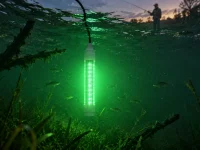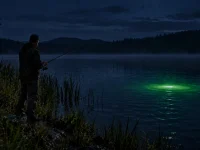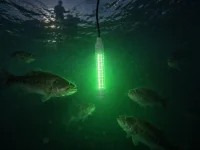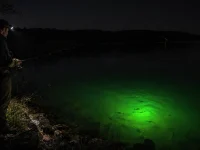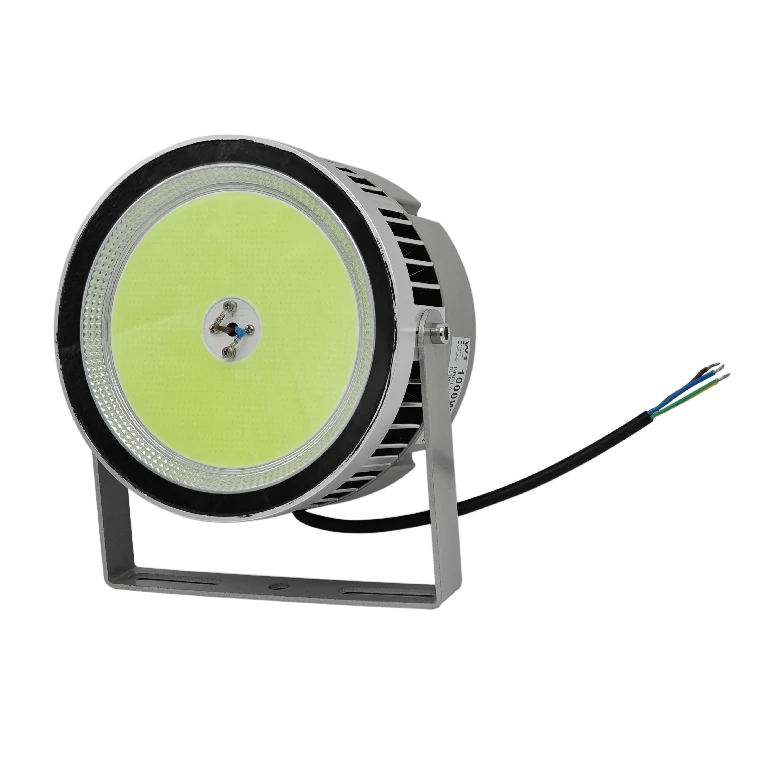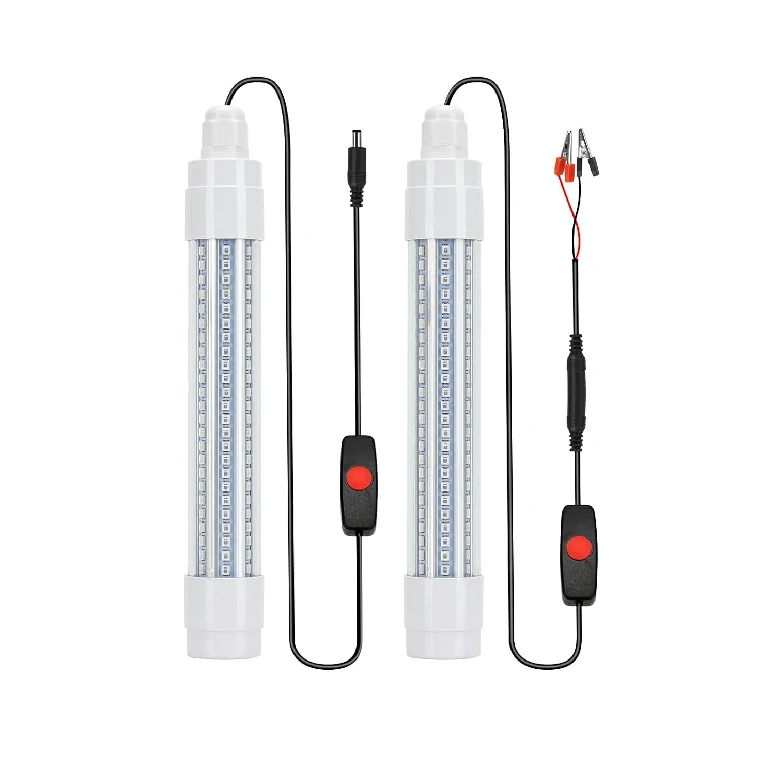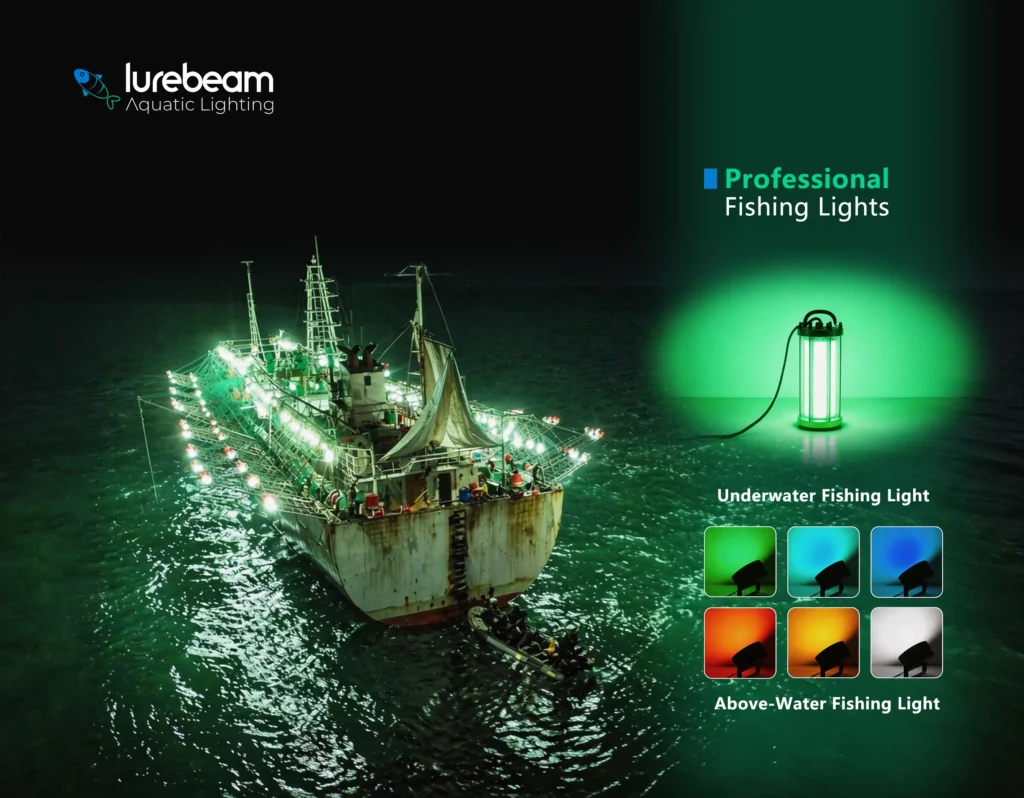
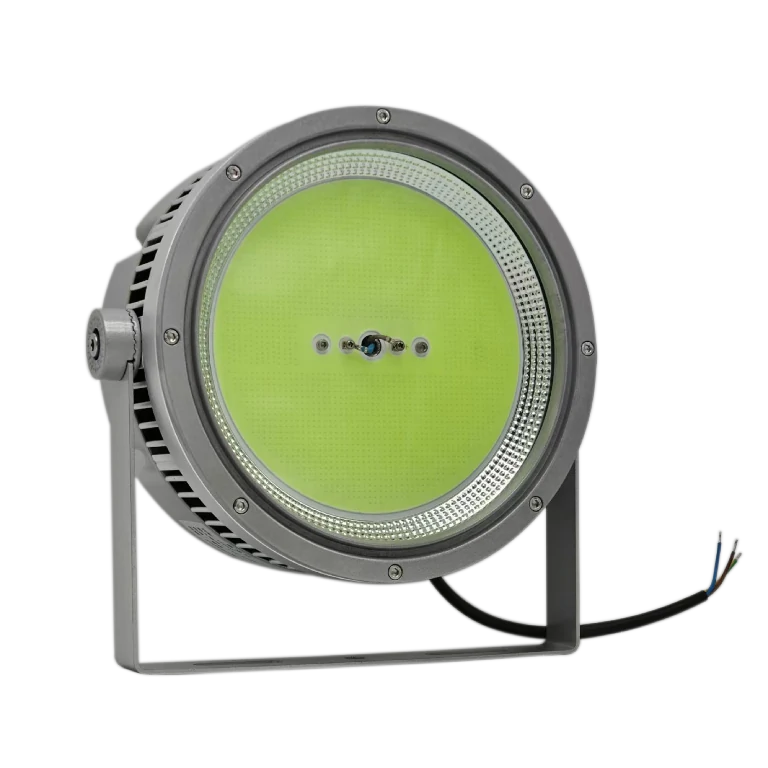
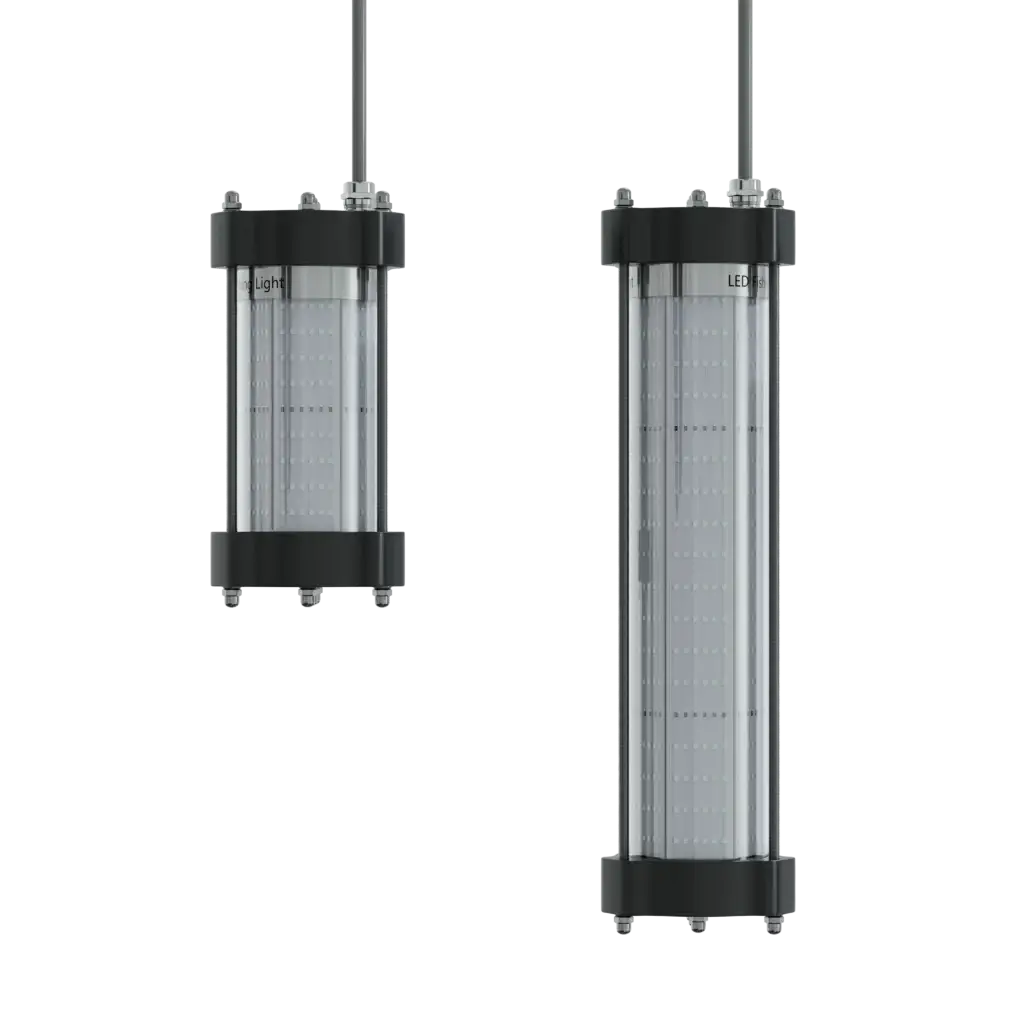


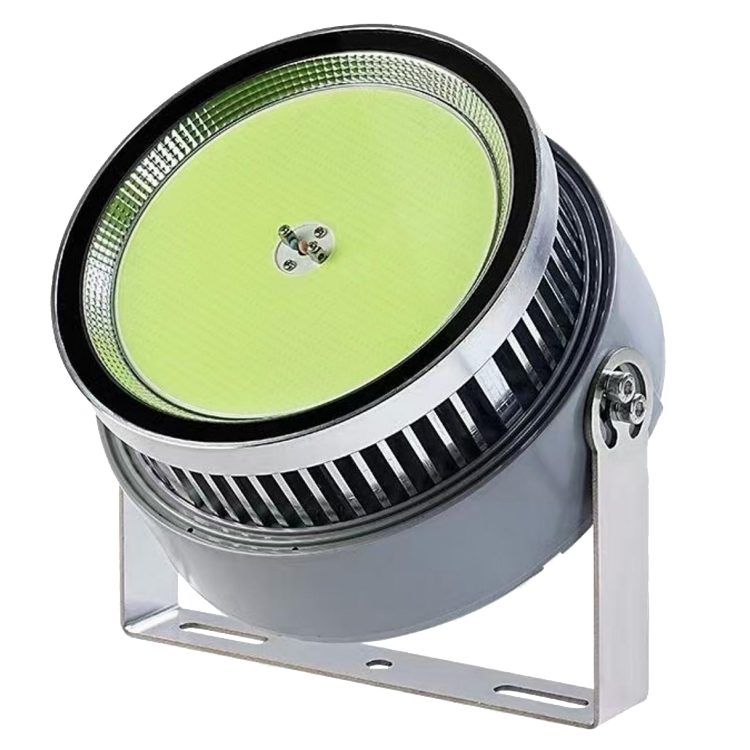
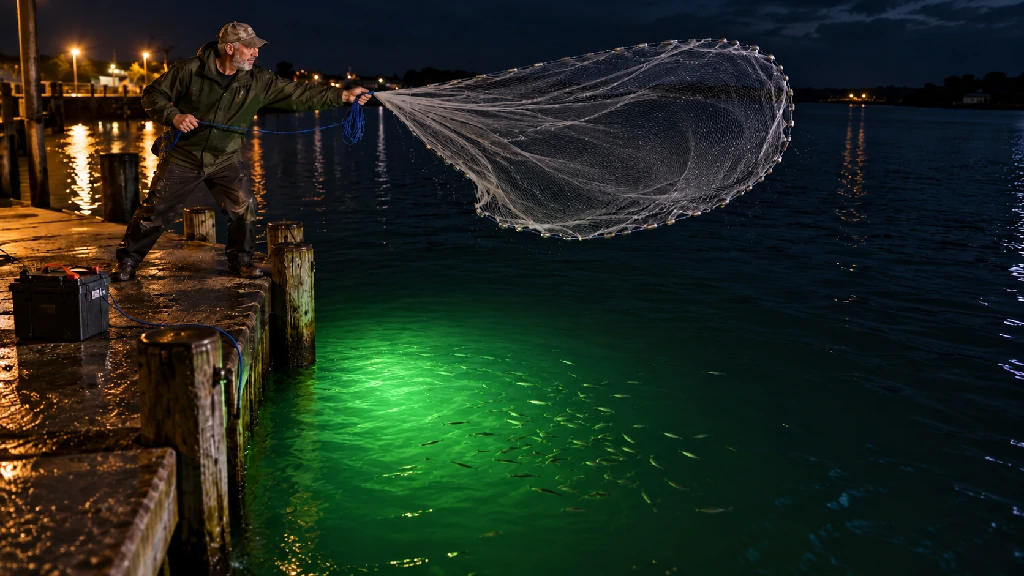
Yes. An underwater fishing light can gather some schooling baitfish for a cast net. But do not cast over the light. Make the cast only when the baitfish have moved into shallow, unobstructed water beside it—and the fully opened net will miss both the lamp and its cable. If the fish remain directly above the lamp or too deep for the net to close beneath them, a brighter light will not solve the problem.
Check the rules before setting up
A light does not make a cast net legal. Check the rules for the specific waterbody: whether you may use a cast net, which bait species you may take, the permitted net size and mesh, any restrictions on using a light, and whether live bait may be moved elsewhere.
These rules differ sharply. Texas permits cast nets for nongame fish but limits their diameter to 14 feet; in salt water, nongame fish taken this way are for bait only. Florida permits specified freshwater bait species to be taken with a cast net of no more than one-inch stretched mesh, unless a location prohibits it. New South Wales prohibits using or possessing a cast net in, on or adjacent to its waters. Do not treat permission in one place as permission in another. Sources: Texas Parks and Wildlife, Florida Fish and Wildlife Conservation Commission, and NSW Department of Primary Industries.
The catch depends on the net, not just the light
Light can concentrate some small schooling fish; it does not guarantee that the school is catchable. A cast net opens above the fish, its weighted edge sinks around them, and the net closes as it is retrieved. It works best over shallow, clear water. Fish holding deep can swim below the descending edge, while rocks, vegetation, pilings and cables can stop the net from closing cleanly. Fisheries guidance supports light attraction and the shallow-water strengths of cast nets separately; there is no universal “wait 20 minutes” rule or lamp-to-net distance that makes this combination work everywhere. Sources: FAO on light attraction and New Jersey Department of Environmental Protection cast-net guidance.
Build two separate zones
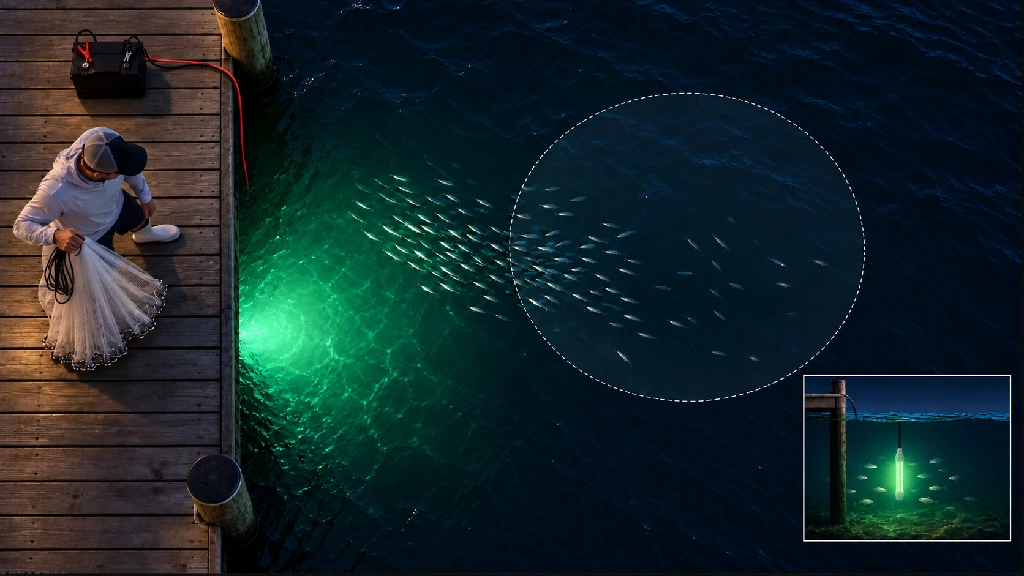
Set the underwater light at the edge of an open-water patch, not in the middle of the area where you intend to throw. Secure its cable so it runs down beside the dock, bank or stationary boat and stays outside the net’s landing and retrieval path. Watch for current bowing the cable into that path after the light is deployed.
Then check the size of the fully opened net. A net described as having a six-foot radius opens to roughly 12 feet in diameter; those measurements are easy to confuse when planning clearance or checking a legal size limit. The entire circle—not merely the point where you aim—needs unobstructed water. If the baitfish gather only around the lamp inside that circle, move the lamp or choose another collection method permitted locally. Never throw across the fixture and hope to pull the net free. Pennsylvania Fish and Boat Commission explains net radius and diameter.
Cast when three conditions are met
Make one deliberate cast when:
- You can identify a compact group of baitfish near the surface, rather than scattered reflections or fish holding deep below the glow.
- The net can open over that group and sink without hitting the bottom, a piling or vegetation before it encloses the fish.
- The full landing circle, sinking edge and retrieval path remain clear of the lamp and cable.
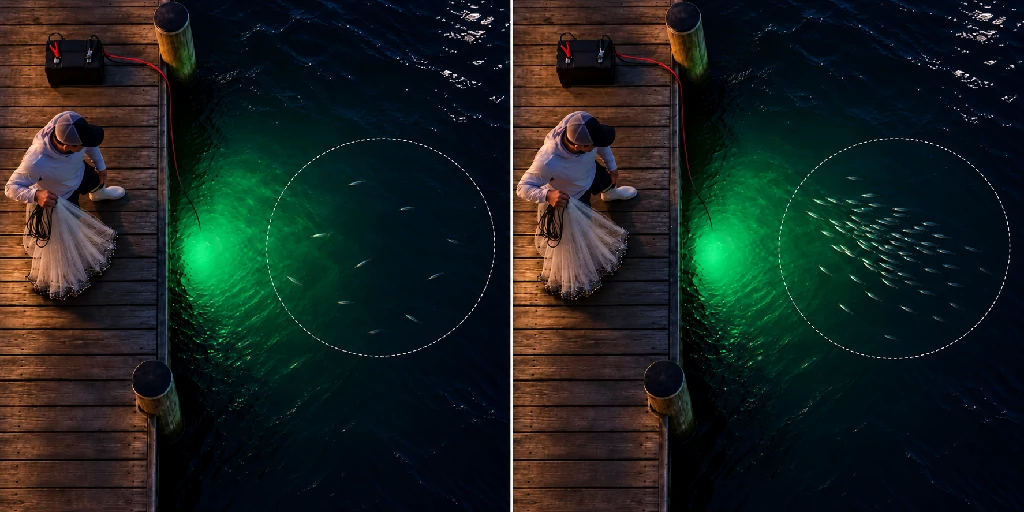
Aim where the shallow school is moving, not at the brightest point in the water. If it leaves the clear patch before you throw, wait for another opportunity. Repeatedly throwing into an empty glow will disturb the area without fixing the placement. If fish consistently stay deep, select a shallower, unobstructed location; do not assume a heavier net or higher-wattage light will compensate.
Keep the catch usable as live bait
Have the bait container ready before the first cast. Transfer legal bait promptly with minimal handling, avoid crowding it, and maintain suitable oxygen, temperature and salinity for the species. Sort out non-target fish immediately and follow local rules for their release or other required handling. Rules on transporting live bait between waters also need checking before you leave the site. Good bait collection is not the number of fish that enter the net; it is the number of legal, healthy baitfish still usable when you begin fishing. Sources: Louisiana Sea Grant live-bait guidance and Florida bait rules.
FAQ
Should I turn the light off just before throwing the net?
No fixed switch-off step is needed. The decisive issue is whether the fish are in a clear casting patch away from the lamp and cable. If the lamp itself is in the net’s path, stop and reposition it according to its operating instructions before casting.
Will a brighter light let me catch more bait?
Not when the failure is mechanical. Extra light does not remove a piling, move a cable out of the net, or stop deep fish escaping below its edge. Fix the casting area first.
What if predators arrive around the baitfish?
Do not throw into a mixed group you cannot identify or sort lawfully. A light-attracted school can include larger fish following prey; the species you are permitted to take with a cast net are determined by local rules, not by what enters the illuminated area. FAO discusses mixed catches around fishing lights.