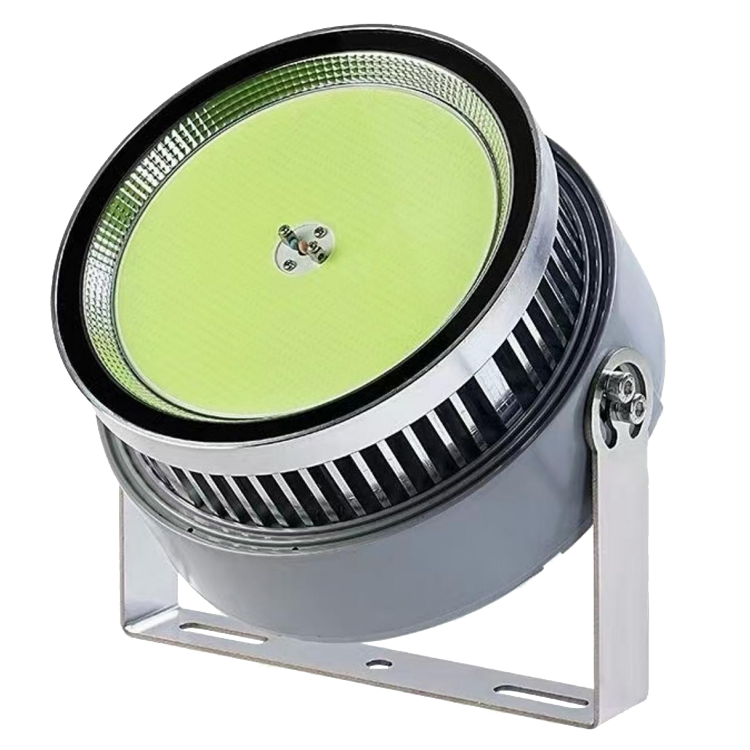
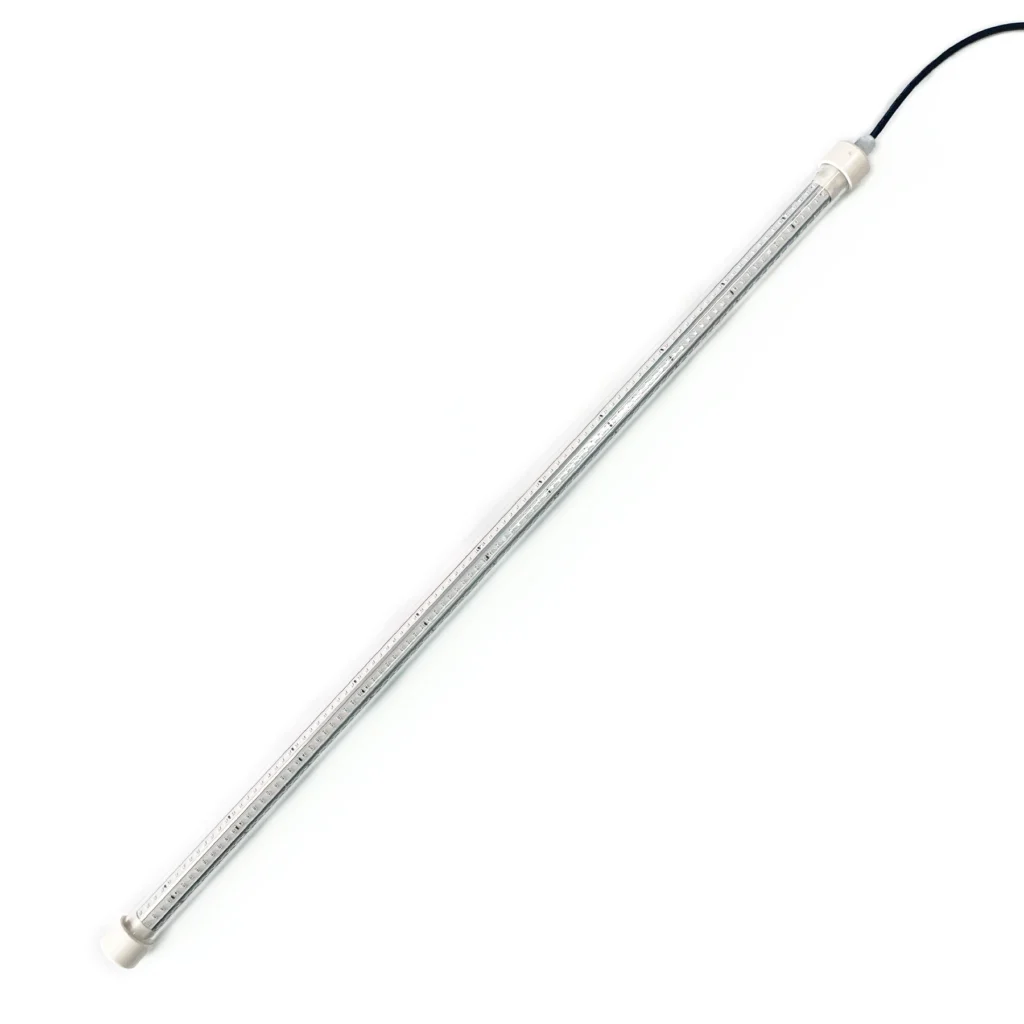
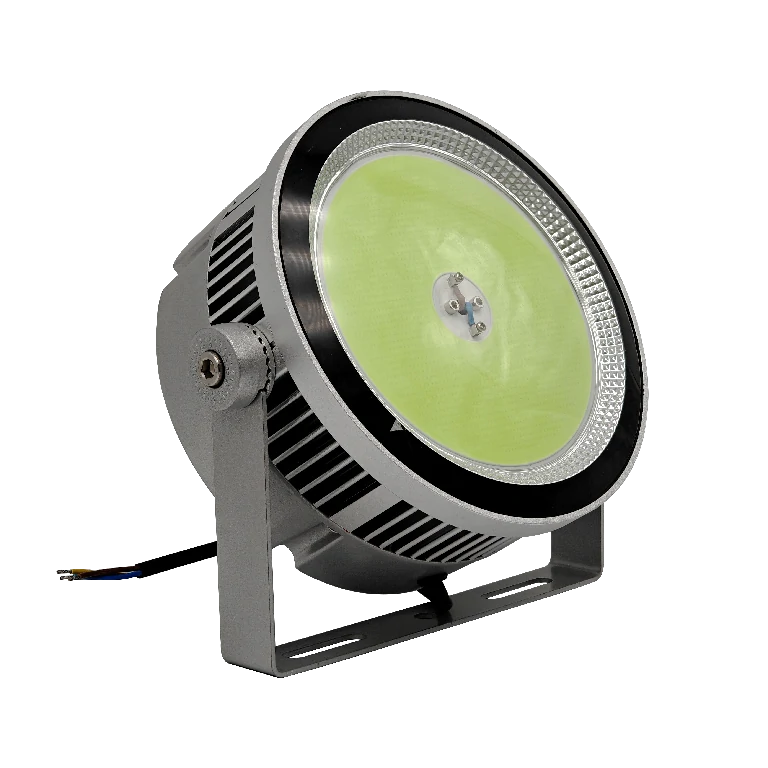

Salt left on a submersible fishing light can hold moisture against metal parts, settle around fasteners and connectors, and hide small cuts or seal damage. The useful response is simple: disconnect the system, remove contamination, rinse the correct parts with fresh water, dry everything fully, inspect the complete assembly and store it without stressing the cable.
This guide is for portable fish-attracting lights used from boats, kayaks, docks or shorelines. It does not replace the instructions supplied with a particular light, battery, converter or connector. If those instructions differ from this general routine, follow the product-specific instructions.
1. Disconnect Power Before Cleaning
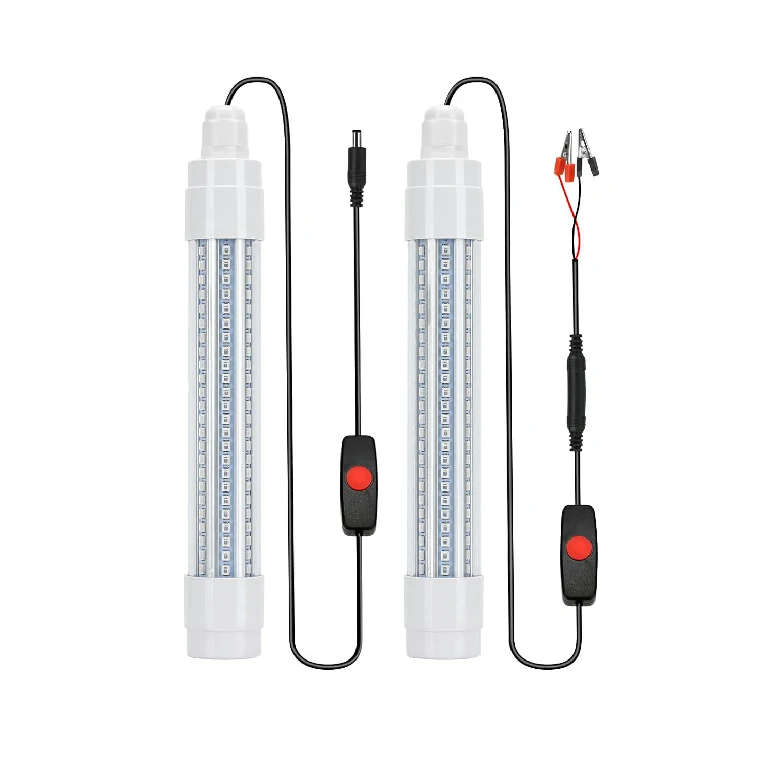
Switch the light off, retrieve it without pulling on the electrical cable, and disconnect it from the battery or power source before cleaning. Keep battery terminals, alligator clips, converters and any non-submersible connection away from rinse water. A waterproof rating on the lamp body does not automatically apply to every component in the power chain.
If the light has just completed a long run, allow it to cool as directed by the manufacturer. Do not open a sealed housing merely for routine cleaning. Opening it without an authorised service procedure can damage a gasket, trap dirt on a sealing face or create a leak path that did not previously exist.
2. Remove Weed, Mud and Marine Growth First
Before rinsing, examine the housing, hanging ring, cable and any protective cage. Remove weed, fishing line, mud, scales and visible growth by hand or with a soft brush. Never use a knife, wire brush or sharp scraper on a lens, cable jacket or seal.
This step also protects the next fishing location. The U.S. Fish and Wildlife Service advises anglers to clean visible plants, animals and mud from equipment, then drain and dry it. Australian Government marine-pest guidance similarly notes that submerged fishing equipment can transport marine pests and recommends cleaning with fresh water and drying before moving to another location.
3. Rinse the Submersible Parts with Fresh Water
Use a gentle flow of clean fresh water on the lamp housing, lens, submersible cable and manufacturer-approved wet connectors. Work from the light toward the cable so salt and grit are carried away rather than pushed into crevices. Rotate the cable slowly and rinse around strain reliefs, fasteners and the hanging point.
Do not assume that hotter water, stronger pressure or household chemicals are better. Texas Parks and Wildlife guidance for saltwater fishing equipment recommends a gentle freshwater rinse and warns against high-pressure rinsing. Hot-water biosecurity procedures are intended for compatible equipment; the U.S. Fish and Wildlife Service specifically says to check the manufacturer’s recommendations. Unless the light maker authorises a detergent, solvent or disinfectant, plain fresh water is the safer default.
4. Clean the Lens Without Scratching It
After loose salt and sand have been rinsed away, wipe the lens with a clean microfiber cloth or another material approved by the manufacturer. Never dry-wipe a gritty lens: trapped particles can score the surface. A cloudy area that remains after gentle cleaning may be external mineral scale, a damaged surface, or moisture inside the housing; those conditions require different responses.
If the cloudiness appears to be inside the sealed lamp, stop using it and seek service advice. Do not continue operating the light merely because it still illuminates. Internal moisture can indicate that the enclosure integrity has been compromised.
5. Dry the Entire Assembly Before Storage
Shake off loose water, wipe accessible surfaces and place the equipment in a shaded, ventilated area. Keep connector contacts protected from dirt while allowing approved wet components to dry. Do not seal a damp light in a plastic bag, closed tackle box or unventilated compartment.
Complete drying matters for more than corrosion control. Government biosecurity programmes in both the United States and Australia use a “clean, drain, dry” approach because wet fishing equipment can move aquatic organisms between waterways. The exact drying time depends on temperature, airflow, cable construction and local biosecurity rules, so “dry to the touch” should not be treated as a universal decontamination standard.
6. Inspect the Light, Cable and Connections
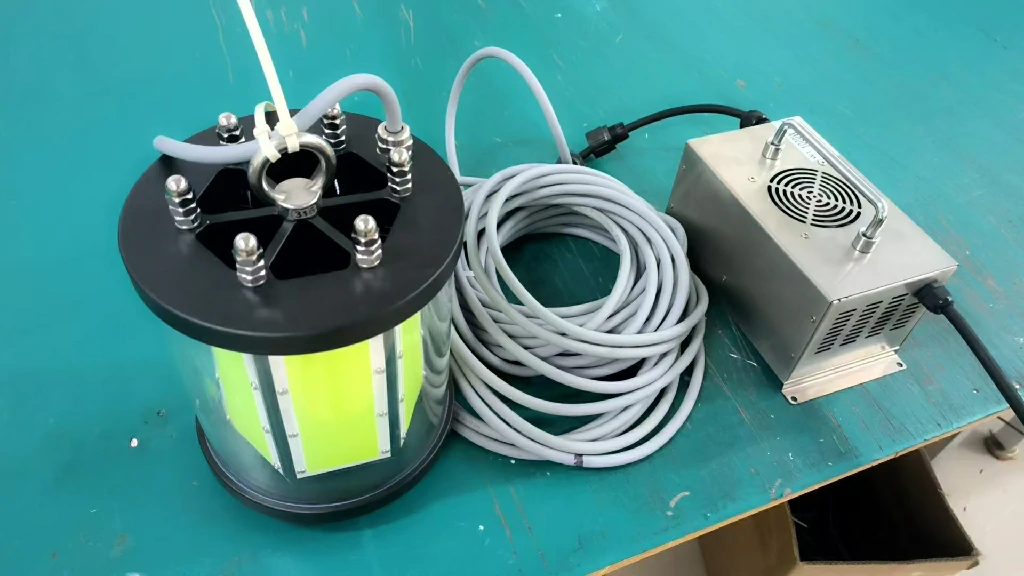
Inspect under good light after the equipment is clean and dry. Look for cracks in the lens or housing, loose fasteners, a bent hanging point, damaged strain relief, cuts or flattened sections in the cable, exposed conductors, swollen insulation, discoloured terminals and white or green corrosion deposits. Run a cloth lightly along the cable; it may catch on a cut that is difficult to see.
Pay special attention to the first 15–30 cm (6–12 in) of cable beside the lamp and connector, because these transition points are repeatedly flexed during deployment and retrieval. Do not patch a damaged submerged cable with ordinary household tape. Remove the assembly from service and follow the manufacturer’s repair or replacement procedure. NASA’s corrosion guidance explains that salt deposits plus moisture can create local corrosion cells; cleaning is therefore preventive care, not a cosmetic step.
7. Coil and Store Without Stressing the Cable
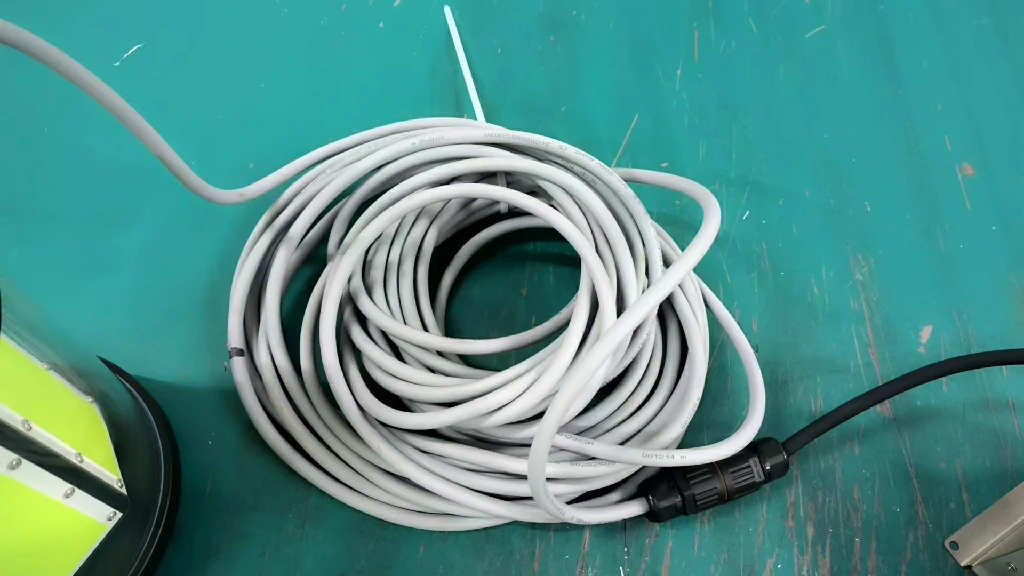
Coil the cable in broad, relaxed loops that follow its natural lay. Avoid tight bends, knots and sharp plastic ties. Do not hang the weight of the lamp from its electrical cable; support the lamp by its intended hanging point and store the cable separately enough that no heavy object can crush it.
Choose a cool, dry and ventilated storage location away from direct sunlight, fuel, solvents and battery terminals. Keep the lamp, power equipment and any removable accessories together so the correct components are used next time. Before the next trip, repeat the visual inspection and perform only the pre-use test specified by the manufacturer. Some high-output submersible lights rely on surrounding water for heat removal and should not be run in air for an extended test.
A Five-Minute Post-Trip Checklist
- Disconnect the power and keep dry components away from rinse water.
- Remove weed, mud, line and visible organisms.
- Gently rinse approved wet components with fresh water.
- Dry completely in a shaded, ventilated location.
- Inspect the lens, housing, fasteners, cable, strain relief and contacts.
- Tag and isolate any damaged assembly instead of improvising a repair.
- Store the lamp by its support point with the cable in broad loops.
Conclusion
Effective underwater fishing light maintenance is a sequence, not a single rinse. Disconnect, remove contamination, rinse gently, dry fully, inspect closely and store without cable strain. This routine helps reveal damage before the next night-fishing session and reduces the chance of transporting organisms between fishing locations. The most important limit is equally simple: if a seal, cable or electrical connection appears damaged, stop using the light until it has been assessed under the manufacturer’s service procedure.
Frequently Asked Questions
Should I rinse an underwater fishing light after every saltwater trip?
Yes. After disconnecting the power, gently rinse the components that the manufacturer identifies as water-safe. Regular rinsing removes salt before it can remain in crevices during storage.
Can I rinse the battery clips and power converter too?
Not unless their own instructions and ratings explicitly allow it. Treat the lamp, connector, cable, clips and converter as separate components with separate exposure limits.
What should I do if there is moisture inside the lens?
Disconnect the light and remove it from service. Internal fogging may indicate a sealing problem. Do not open the housing or continue operating it unless the manufacturer’s service instructions specifically direct you to do so.
Should I put grease on the fishing-light connector?
Only use the exact compound and method specified by the connector or light manufacturer. The wrong grease can attract dirt, interfere with contact surfaces or be incompatible with seal materials.
-1024x1024.webp)